This is especially true of today’s busy consumers, who typically have little or no time to prepare customary meals and who want their food as their days get busier and their mobility ever more constrained. The snack bar market, therefore, plays an extremely valuable role in the food industry, providing consumers with portable meals made quickly to be eaten on the go.
Snack bars are no longer viewed as an occasional food choice, but rather as a meal replacement, energy booster or functional snack. This potentially indicates a shift in public perception on the importance of food convenience and the intrinsic balance between portability and nutritional value in convenience foods.
Understanding What the Snack Bar Market Really Is
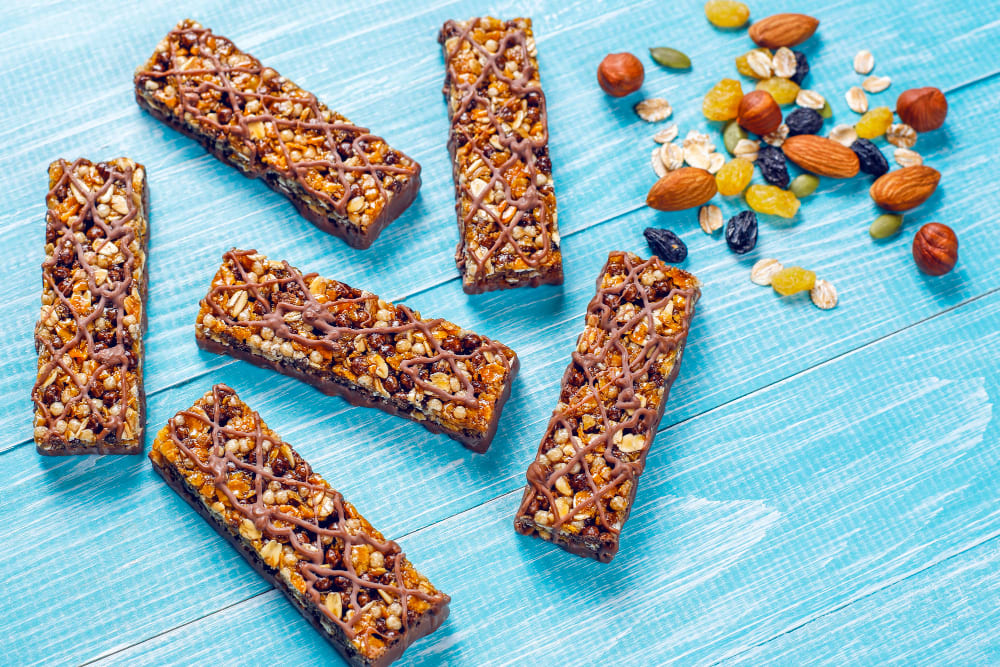
Snack bars are small, portable, packaged food items that do not require preparation. A typical bar is a mixture of grains, nuts, seeds, fruits, protein blends, sweeteners or other common snack bar ingredients. Categories may include cereal bars, protein bars, energy bars, and specialty functional bars.
Snack bars are instant foods that may replace meals. Most are marketed to professionals, students, athletes, and travelers. They are also placed in vending machines. Snack bar companies balance flavor, texture and nutrition. It includes product development, branding, manufacturing, and distribution to supermarkets, convenience stores, and online retailers.
Snack bars have evolved from basic granola bars to variations specifically designed for certain diets or lifestyles.
Click here if you want to know more about Snack Bar Market
Key Factors Driving the Popularity of the Snack Bar Market
Convenience has long been referred to as one of the most important factors driving the snack bar category, as consumers have sought snacks that are durable and easy to eat on the go, and bars offer a portable, pre-portioned option.
Health awareness also plays a role, as many consumers read nutrition labels and search for snacks that fit into their dietary needs. Snack bars that include protein, fiber, or whole grains are especially appealing to this group of consumers.
Fitness trends also appear to determine demand, as protein and energy bars are frequently used by people for exercise, post-exercise recovery, and general use as an increase throughout the day.
Dietary trends such as the growth of plant-based, gluten-free and reduced sugar products have also contributed to this expansion, as a wider variety of products is available to suit different markets.
The Role of Innovation and Product Development
Innovation is a fundamental factor in the success of the snack bar market, with manufacturers constantly experimenting with new ingredients, flavors, and textures to stand out and meet changing consumer demands.
Functional ingredients are also being developed to meet specific health needs (energy, digestion, muscle recovery, etc.) while improving the technology of food processing to extend shelf life without compromising flavor and nutrition.
Resealable packs that can also be sold as multipacks, and eco-friendly packaging, contribute to both convenience and environmental benefits.
Digital marketing and social media enable brands to communicate directly with consumers, narrate their products, and respond to feedback, thereby creating customer loyalty.
Changing Consumer Preferences and Snacking Habits
The snack has gone from being considered an impulsive and indulgent behavior to another component of a typical meal pattern, where people eat smaller, more frequent meals. Snack bars are a convenient alternative to help consumers practice portion control.
Consumer demand also drives the snack bar trend, as those with recognizable ingredients and no artificial additives have become more desirable. Transparency in where ingredients are sourced and how they are used has become a selling point.
The young crowd in urban areas, including working professionals and students, are looking for new flavors and premium products, often stimulated by online reviews and social media influencers.
With growing health awareness, consumers want convenient, healthy snack bars that also offer a combination of indulgent and health functions.
Benefits and Practical Advantages
In addition to their popularity with consumers, snack bars also benefit retailers:
• Portability: Small, easy to carry and consume on the go
• Convenience: Requires no preparation and does not require refrigeration
• Nutritional Support: supplies energy, protein, or fiber, depending on formulation
• Portion Control: Pre-packaged sizes help regulate consumption
• Product Variety: Variety of flavors and dietetic options available
• Long Shelf Life: Suitable for Storage, Travel Access
• Retail Accessibility: Supermarkets, convenience stores, and online shopping platforms
These attributes have led to the frequent use of snack bars in daily routines.
Global Adoption and Regional Relevance
In both developed and developing nations, the snack bar has a high penetration rate. Fast-paced work life and healthy lifestyle trends have led to the demand for portable nutrition in urbanized economies.
Demand is also growing in emerging markets, where retail infrastructure is improving and consumers are more aware of snack bar products. The growth of disposable income is fueling premium and specialty snack bars.
Regional preferences also exist, with manufacturers catering to local tastes, and consumer acceptance of snacking and eating on the move may also play a part.
Regional catch-up continues, with universal demand for both convenience and nutrition sustaining market relevance.
Challenges Facing the Snack Bar Market
Despite this growth, operating in the snack bar market can be difficult, with many brands competing and having to find a balance between controlling production costs and maintaining quality.
Health-conscious consumers read ingredient labels and often avoid foods that contain sugar and artificial ingredients and require brands to create taste, value and offer transparency.
Concerns about the sustainability of packaging waste provide an additional incentive to use sustainable packaging.
Regulatory requirements around the specifics of labeling and health claims are important to maintain consumer trust.
Future Outlook of the Snack Bar Market
New product development in the snack bar category will be mainly driven by nutrition and sustainability, while demand attributes such as plant-based, high protein and clean label will continue to gain popularity among consumers.
Advances in ingredient technology may allow for the customization of snacks to meet specific dietary needs. Sustainable sourcing and packaging of ingredients is likely to become more commonplace.
Digital engagement and direct to consumer models may further drive brand engagement, allowing for a rapid response to emerging trends.
With a growing interest in maintaining convenience while still focusing on nutrition, snack bars are likely to remain a part of diets.
Conclusion
Snack bars are a key element in consumer trends to portable nutrition. From an original casual snack food offering, the snack bar has become an essential part of the diet: portable, tasty, functional.
The market is being driven by changing consumer preferences, innovative snacks, and globalization. The demand for convenience and healthy snacking options is expected to continue to drive increased demand for snack bars in the future.