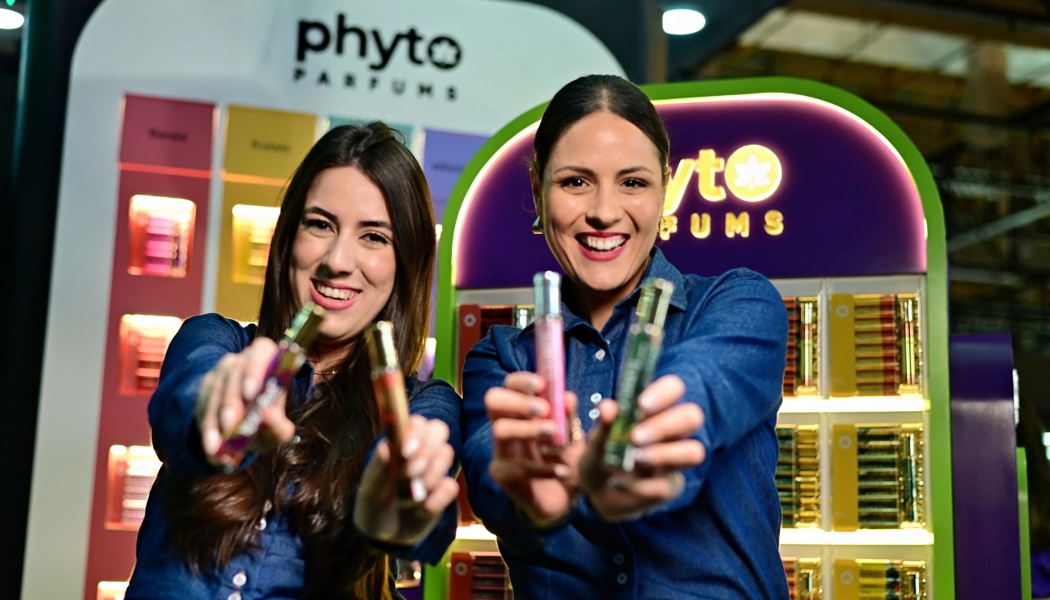
To prepare the launch of Phyto Parfums late last year, Brazilian cosmetics group Flora conducted a groundbreaking study on the fragrance habits of Generation Z in the country. The company — owner of the Francis, Neutrox, Albany and Phytoderm brands — placed a special focus on young consumers aged 16 to 28.
“Generation Z is reshaping the way consumers engage with traditional categories such as fragrance. This generation is no longer satisfied with simply buying products — they seek projects, experiences and tools for self-expression. Phyto Parfums was created to reflect this shift, with scents designed to accompany different moods, occasions and identities,” says Ana Vitorino, Marketing Manager at Flora Cosméticos e Limpeza.
The survey’s first key finding revealed that two-thirds of respondents use more than two fragrances at the same time. “Traditionally, consumption in this category was centered on the idea that a single fragrance could define one’s personality. Among young people, however, there is a clear shift toward variety: they own multiple fragrances, switch them throughout the day, experiment with layering to create unique scents, and select different perfumes for work, social outings, the gym, and more.”
Eau de parfum is Gen Z’s favorite choice
This structural shift in consumer habits calls for brands to expand their lines while also encouraging experimentation, Ana Vitorino told Premium Beauty News. From its launch, Phyto Parfums responded by offering nearly sixty fragrances.
The brand, aimed at perfume enthusiasts willing to build their own olfactory wardrobe, launched exclusively with eau de parfum — the preferred choice for 55% of respondents. “Longevity and sillage are no longer just differentiators; they have become essential criteria in the selection process, even for young consumers,” highlights Vitorino.
National brands
Additionally, 55% of Generation Z respondents said they prefer Brazilian-made perfumes, a figure that reflects both the growing sophistication of local offerings and broader economic and cultural influences.
“In recent years, the local market has evolved significantly, with major improvements in raw material quality and olfactory storytelling — aspects that resonate strongly with this audience’s values of authenticity, identity, and sustainability. Furthermore, Brazilian brands offer excellent value for money, fostering experimentation, everyday use, and frequent purchases,” explains Renata Abelin, Marketing & Innovation Director at Givaudan Fragrances Latam.
Key growth driver
In Brazil, the younger generations’ passion for perfume is so strong that Generation Z has become a key driver of market growth, even though many are just entering the workforce and some do not yet have their own income.
“Generation Z is currently the fastest-growing segment, not only in terms of sales volume but also in terms of influence on the fragrance market. They act as a catalyst for innovation, diversity, and digitalization,” emphasizes Abelin.
The marketing specialist also highlights the powerful impact of social media, especially TikTok. “Worldwide, 66% of Generation Z’s purchasing decisions are influenced by social media,” she notes.
Thus, although many are new to the category, 80% of young respondents in the Phyto Parfums study said they prefer to select their own fragrances, independent of others’ opinions.
“This highlights the deeply personal nature of perfumery,” says Ana Vitorino. “Even in a digital-driven world, the final choice is guided by individual experience. And while they may not always be the primary buyers, these young consumers influence household purchasing decisions and shape expectations for what a brand should offer. They are therefore strategic consumers today and essential to the market’s future growth.”