Estée Lauder has filed a federal lawsuit against Walmart alleging counterfeit versions of its prestige beauty brands were sold on Walmart.com, including products bearing the marks of Estée Lauder, La Mer, Clinique, Le Labo, Aveda, and Tom Ford.
The complaint asserts trademark infringement, false designation of origin, trade dress infringement, unfair competition, and vicarious trademark liability as the cosmetics giant claims Walmart didn’t do enough to ensure only authorized and authentic merchandise was offered to consumers through their marketplace.
It not clear when Estée Lauder bought and tested the items called out in the suit, but it’s notable that this litigation was filed just months after CNBC published an investigation that discovered counterfeit beauty products being sold through the platform, often by fraudulent sellers who had stolen the names/identities of unaffiliated legitimate businesses to set up shop on Walmart Marketplace.
Walmart’s Marketplace boom: How lax vetting came with identity theft and fakes
Walmart’s marketplace is booming, but the strategy poses risks as a CNBC investigation found lax vetting contributed to fraud and fakes on the site.
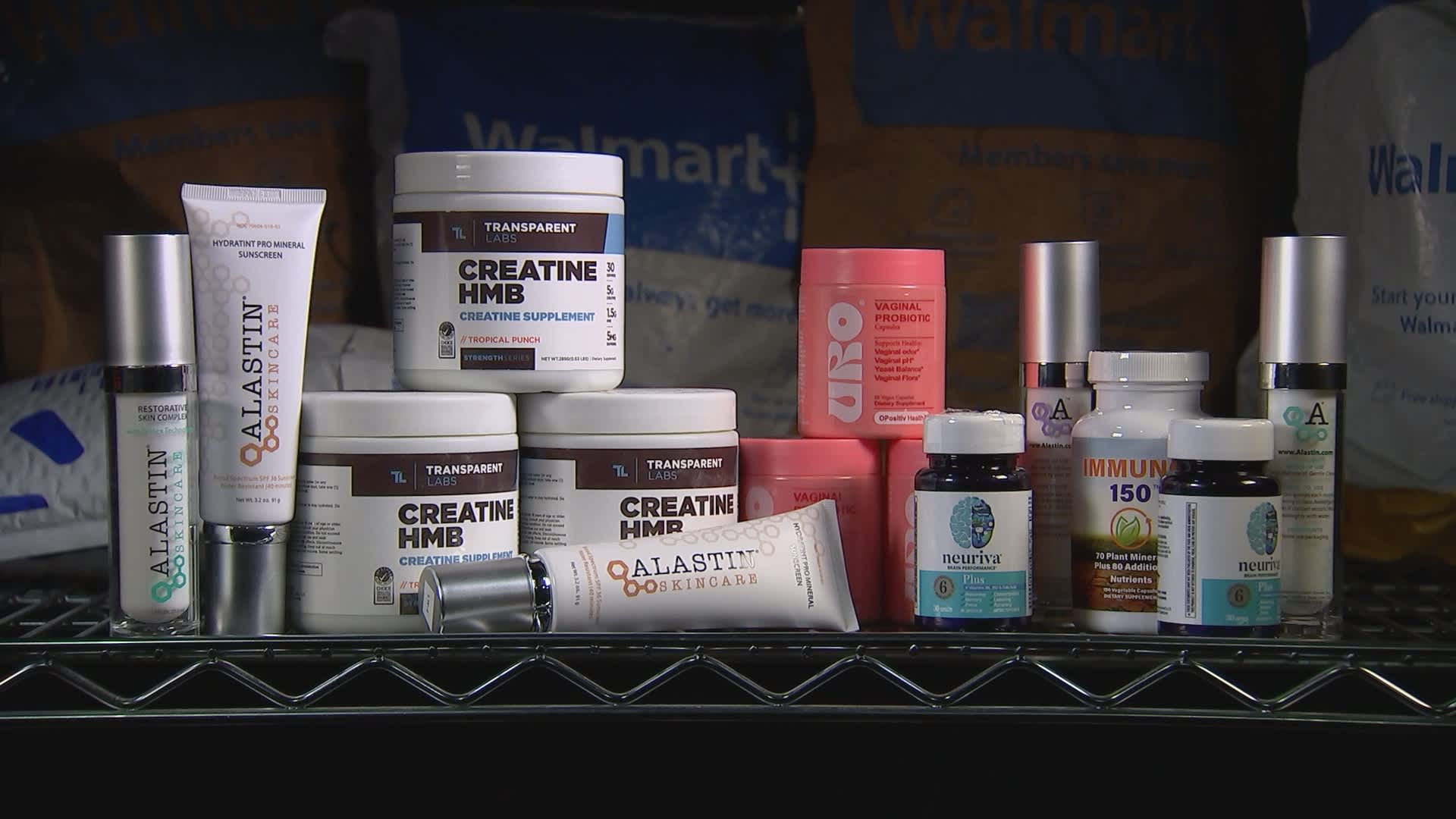
While the products were sold by third-party sellers on Walmart Marketplace, Estée Lauder said the company played an active role in facilitating those sales to shoppers, calling Walmart’s conduct “extreme, outrageous, fraudulent … despicable and harmful.”
The complaint goes on to describe how counterfeit products were promoted and advertised by Walmart to shoppers on the platform, Estée Lauder’s trademarks were used in search engine optimization tools to drive traffic to the listings and Walmart profited from the sales – arguing the degree to which the platform is involved should make them liable, even if some items may be sold by third parties.
Upon information and belief, Defendants promote the reputation and professionalism of retailers who – with Defendants’ support and authorization – sell through Defendants’ e-commerce channel.
Defendants’ website states that they “select[s]” and “partner[s]” with their Marketplace sellers, looking at the seller’s catalog, operations, and other business information to “ensure they can give the same high-quality experiences to all our Walmart.com customers.”
Defendants also state that they regularly review seller performance. Pursuant to Defendants’ stated practices, Defendants permitted and selected the sellers of the Accused Products to sell products that infringe upon the ELC Trademarks…
…when consumers purchase a product from the Marketplace, aka Defendants’ e-commerce channel on www.walmart.com, Defendants are in control of the payment and checkout process, customer service issues, and handles returns of a product purchased from the Marketplace, including permitting the consumer to return the product to a Walmart store.
Accordingly, a consumer using Defendants’ Marketplace and purchasing the Accused Products would reasonably believe that Defendants were the seller of the Accused Products and/or had a contract with the third party seller of the Accused Products such that Walmart was authorized to sell the same.
Further, through Defendants’ partnership with its sellers, including those who sold the Accused Products, Defendants provide a level of involvement, support, promotion, advertising, warehousing, fulfillment, returns, and pricing that situates Defendants as the seller of the Accused Products, and the primary beneficiary of the infringement…
…Defendants receive a portion of the profits generated from their partners’ product listings on the Marketplace website and receive substantial profits from fulfillment fees that eCommerce sellers use on www.walmart.com…
…Defendants do very little to ensure that only authorized and authentic products are available on www.walmart.com. This is readily apparent given the Accused Products were permitted to be sold on Defendants’ website despite their stated careful selection process in who they choose as a Marketplace seller/partner.
Accordingly, Defendants know or had reason to know that the sellers they partnered with and “regularly review[ed]” were selling products which infringe upon the Estée Lauder Marks, i.e., the Accused Products. Defendants know or had reason to know that Defendants promoted, advertised, displayed, offered for sale,and/or sold products which infringe upon the ELC Trademarks, including the Accused Products.
If those arguments sound familiar, they should – a group of Amazon sellers used very similar reasoning when suing Walmart for facilitating a sophisticated organized retail crime triangulation fraud scheme in 2024.
Amazon Sellers Hit Walmart With Class Action Lawsuit Alleging Complicity In Online Organized Retail Crime
A group of Amazon sellers has filed a class action against Walmart, alleging co profits from & failed to stop online organized retail crime & fraud on Walmart Marketplace.
Walmart responded to that lawsuit with a motion to dismiss, citing Twitter, Inc. v Taamneh to argue that Section 230 of the Communications Decency Act shields the company from liability for the actions of third party sellers on their marketplace, even if those actions involve criminal fraud and theft.
removing “get out of liability free” card for Amazon, eBay, Etsy and more!
Section 230, also known as the “26 words that created the internet,” provides broad immunity to online platforms for content posted by their users, stating:
No provider or user of an interactive computer service shall be treated as the publisher or speaker of any information provided by another information content provider.
Plaintiffs in that case initially pushed back against the Section 230 defense, arguing, Walmart was not entitled to immunity because it is a commercial digital platform created and operated for the sole purpose of making a profit by the onboarding of merchants and for extracting a share of revenue generated on every transaction conducted by its merchants on the Marketplace.
Plaintiffs Challenge Walmart’s Section 230 Defense In Organized Retail Crime Class Action Suit
Class action seeking to hold Walmart Marketplace liable for fraud & sale of stolen goods continues as ORC victims counter Section 230 defense.
But eventually a settlement was reached under undisclosed terms – leaving the questions about Section 230 unresolved.
In other recent marketplace immunity cases, eBay successfully used Section 230 to escape a potential ~$2B EPA fine for the sale of prohibited pesticides and illegal emissions control cheat devices in 2024.
eBay Wins Dismissal Of EPA Suit; Court Affirms Section 230 Protections For Items Sold On The Site
eBay’s Section 230 defense prevails, winning dismissal of EPA suit seeking to hold them liable for chemicals & emissions control cheat devices sold on the site.
While Etsy is currently suing the Cashmere and Camel Hair Manufacturers Institute (CCMI) over ongoing actions trying to hold marketplace accountable for false advertising of some Cashmere items sold on the site, seeking to affirm Section 230 protection from liability for activities or content of 3rd party sellers.
Etsy Sues CCMI, Claims Section 230 Protection For Alleged False Advertising Of Cashmere Items
Etsy sues cashmere trade group CCMI, asks court to affirm Section 230 protections against false advertising claims for marketplace seller listings.
Walmart has yet to respond to Estée Lauder’s lawsuit, but it’s a good bet when they do that they’ll once again attempt to use Section 230 as a “get out of liability free” card to shield them from liability for alleged counterfeit items sold through their platform.
However, even if Walmart prevails with those arguments or inks another settlement deal in this case, marketplace immunity will continue to be a hotly contested subject as Congress is currently considering proposals to amend or sunset Section 230 completely.
Congress Weighs Sunsetting Section 230, Putting eBay, Amazon, Etsy & More In Potential Liability Crosshairs
Proposed Sunset Section 230 Act could expose Amazon, eBay Etsy & other marketplaces to new legal risks as Congress rethinks platform immunity.

Estée Lauder has also named 10 additional parties, referred to as Does 1-10 as the company does not yet know their identities – presumably these would individuals behind the fraudulent accounts that sold the alleged counterfeit items.
The case is Estee Lauder, Inc. et al v. Walmart, Inc. et al California Central District Court # 2:26-cv-01341
Full initial complaint: