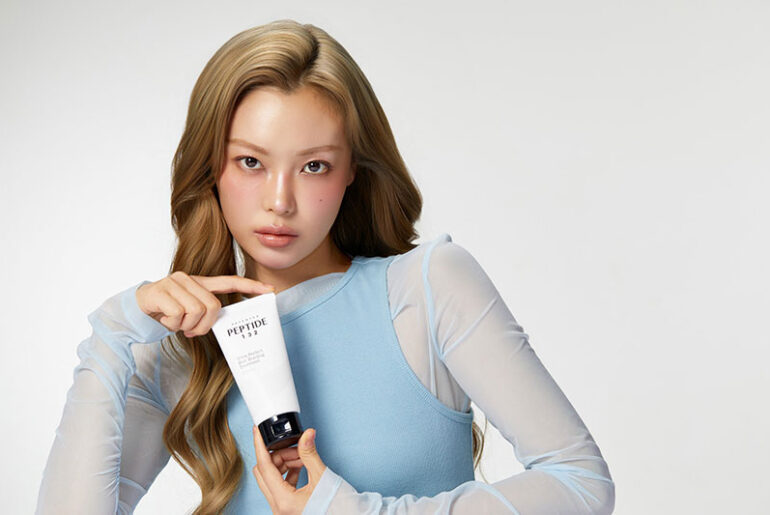
Data revealed by Euromonitor International indicated that beauty was the second-most important function in the APAC and Australasia vitamins and dietary supplements (VDS) market, valued at USD65.8bn in 2025.
The two regions are expected to contribute to 41% of global consumer health growth till 2030, highlighting the critical role of the beauty-from-within trend for industry players.
Based on Euromonitor’s 2025 Asia Pacific Outlook: Consumer Health trends & opportunities webinar, the key drivers of this category include emerging formats, modernisation of traditional herbs, and new marketing claims.
Speaking to NutraIngredients, Nick Stene, senior global insight manager: consumer health at Euromonitor, said that there has been a global rise in health claims on beauty supplements, with NAD+ related and oxidative stress being the most disruptive.
He added that the pill-and-shot format has resonated in many parts of Asia, particularly Japan and South Korea.
“For example, Rhoto Pharmaceutical’s Mocola, containing a collagen drink and tablet supplement, acts as an antidote to a harsh work-life balance that compromises sleep, immunity, and liver detox. This is increasingly influencing innovations in Asia and beyond, and stands out for reducing the stigma of taking pills in public.”
In South Korea, collagen is increasingly featured as the core edible beauty ingredient in supplements. Other skin barrier- and moisture-enhancing ingredients, such as ceramide, biotin and hyaluronic acid, are often combined with collagen for multipurpose efficacy.
As for South East Asia (SEA), powders, sachets, gummies, and jellies, which are easy to integrate into daily routines and allow lower-commitment trial, are widely used across the region.
These formats also tend to be more effective than traditional capsules in fueling adoption and repeat purchase, especially among younger consumers.
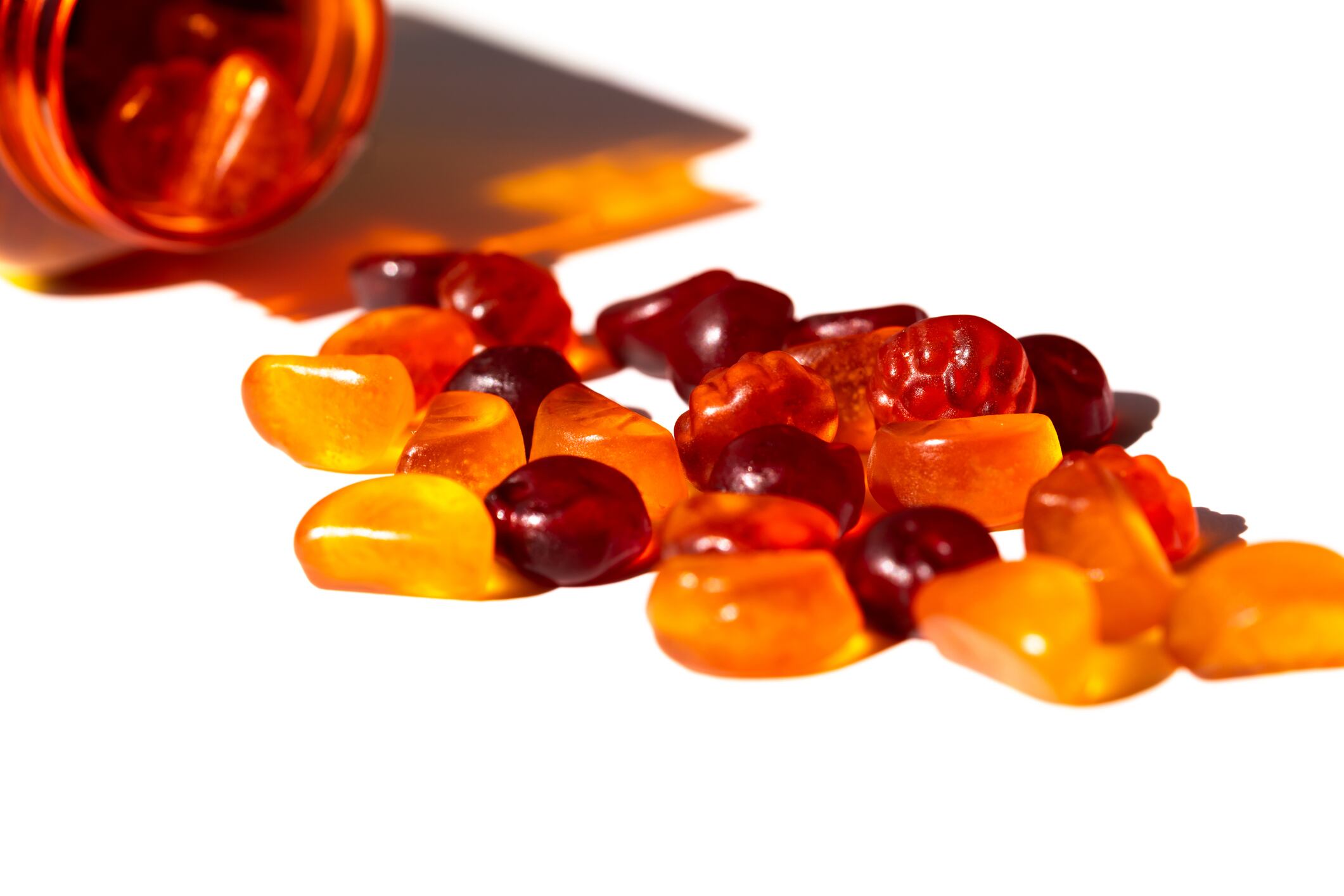 Formats such as gummy are widely consumed in South East Asia due to the ease of integration into daily routines and lower-commitment trial. (Ekaterina Zhuravleva/Getty Images)Mature markets
In established beauty supplement markets like China and Japan, there remain spaces for further growth.
According to Nathanael Lim, APAC Insight Manager at Euromonitor, jelly formats in Japan were historically associated with beauty-focused ingredients like collagen, placenta, and vitamin C.
However, recent product development has expanded the scope to include probiotics, dietary fibre, femtech-oriented ingredients such as ziziphus, and child-friendly formulations.
This diversification reflects a broader shift in consumer priorities toward gut health, immunity, and family wellness.
“In China, category expansion through new product launches and innovative formats will attract new users, while rising interest in traditional Chinese tonics provides an additional growth driver,” Lim said.
 South East Asia is seen as a category-building market indicating both short-term traction and sustained expansion potential. (Kajdi Szabolcs/Getty Images)SEA as a category-building region
Compared to mature markets, SEA offers meaningful headroom for growth. While social media and e-commerce have accelerated awareness and trial, the main opportunity for beauty supplements in this region lies in the structural stage of the market and how products are positioned and consumed.
Markets including Indonesia, Thailand, Malaysia, and the Philippines combine positive short-term demand momentum with mid-to-high long-term growth rates, indicating both near-term traction and sustained expansion potential, said Haikal Sufiyan, Senior Analyst at Euromonitor.
This positions SEA as a category-building market rather than a purely trading-up market.
“Growth is driven not only by premiumization, but also by expanding the consumer base, introducing new usage occasions and encouraging everyday consumption. Within this context, beauty supplement positioning in the region increasingly reflects observed climate- and lifestyle-related concerns, as seen in product formulations and claims.”
Instead of relying on beauty-only narratives, brands commonly combine skin benefits with overall well-being claims, such as anti-aging, energy, and gut health, which help justify regular use and align with the shift towards hybrid beauty-wellness propositions.
 Collagen is a key ingredient of skin care supplements in Australia. (narvo vexar/Getty Images)‘Exceptional growth’ in South Korea, Australia
Meanwhile, “exceptional growth” of the beauty-from-within sector in South Korea and Australia is said to be driven by new brand entries, according to Sunny Moon, Research Manager at Euromonitor.
In South Korea, the distribution of dietary supplements extended to new channels through various convenience store chains, such as CU and variety stores like Daiso.
Both major conglomerates and specialised players are actively entering and strengthening their presence in the category.
For instance, Amorepacific launched functional collagen products such as Collagen Cube through its inner beauty brand Cubeme, while LG Household & Health Care broadened its beauty supplement offerings via the Vital Garden brand, focusing on radiance and vitality concepts.
At the same time, CL Pharm developed oral dissolving film (ODF)-based health supplements containing beauty ingredients such as propolis and glutathione, and CJ OnStyle’s beauty tech brand Dualsonic introduced a Dualsonic Beauty Routine that combines home beauty devices with ingestible supplement shots.
In Australia, collagen is the star ingredient in skin care supplements while collagen peptides are widely positioned for skin elasticity and hydration, with spill-over benefits for hair and nail strength.
Julia Illera, Research Manager at Euromonitor, said that the market has embraced collagen — from both marine and bovine sources — across powder, drink, and capsule formats.
In particular, local brand Vida Glow has helped normalize premium marine collagen as a daily ritual.
Other Australian companies taking strides in this category include Caruso’s Natural Health, which offers hair and collagen formulas; Herbs of Gold, which has a beauty line with collagen booster and skin tablets; and Nature’s Way, a major player with an extensive range of beauty supplements comprising collagen powders, beauty gummies, and collagen-infused snack bars.
Additionally, skin care actives traditionally associated with topical products have increasingly translated into oral formats, with hyaluronic acid as a notable example.
“Products such as Dr. LeWinn’s Inner Beauty Vegan Collagen + Hyaluronic Acid powder and Swisse’s Hyaluronic Acid Skin Glow Gummies signal a broader shift towards premium, multifunctional formulations that bridge the gap between skin care and nutrition,” added Illera.