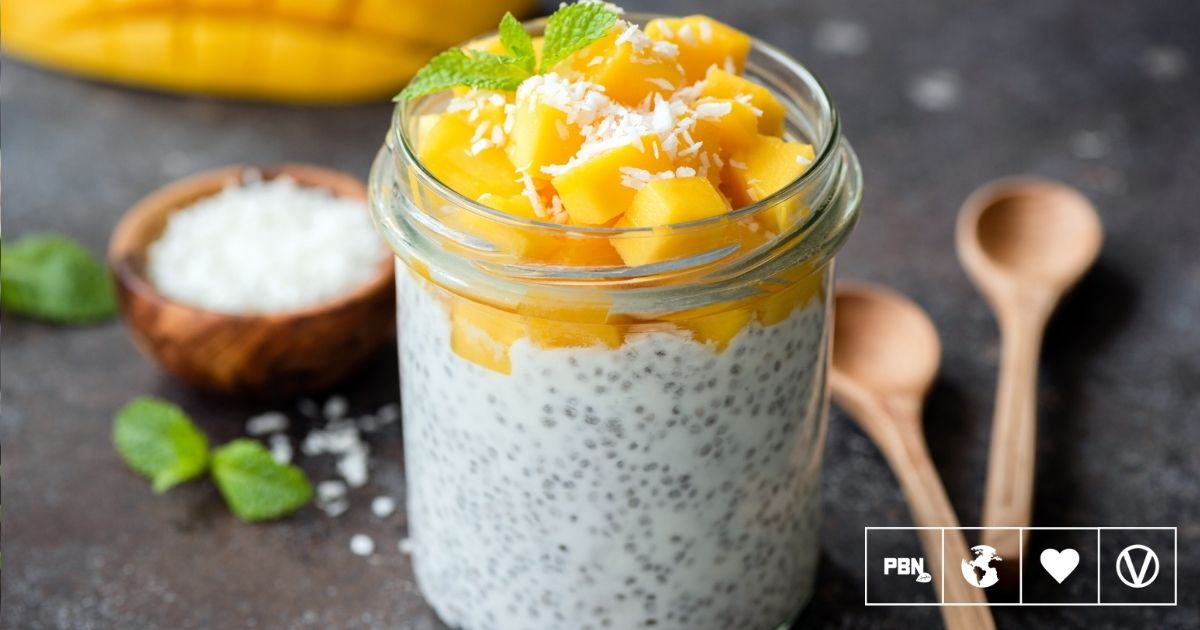
If you’re not on TikTok, you may have missed it, but last year, fibermaxxing became the next big thing after creatine. This catchy term (that screams Gen-Z) refers to intentionally increasing your fiber intake throughout the day for its health benefits or to support weight loss.
On social media, where fibermaxxing content has racked up millions of views, health enthusiasts have pointed to the myriad benefits of fiber: it’s good for your gut and your overall wellbeing. They also explain how to include more of it in your diet, by sprinkling chia seeds on your breakfast oatmeal or adding more veggies to your dinner plate.
Read more: Need More Fiber In Your Diet? Try These Easy Recipes
As you, and most health experts, might agree, this all sounds very healthy. As dietitian Rachel Gargano said, “This is one nutrition trend that I can actually get behind. I love the idea of making fiber more popular!”
But there is a catch.
In a recent interview on The Diary of a CEO YouTube channel, gut health expert Dr Will Bulsiewicz, aka the Poo Doctor, explains that fiber intake needs to be increased gradually.
“The issue is that you have to ease your body into it. So, I think the idea is the right idea, but the execution, I just want people to do it in a way where they feel okay. Because if they don’t feel well, they’re going to bail and then they’re going to think, well, fiber is not for me,” he says.
So how do we pull this off safely? Let’s have a look.
Why is fiber good for you?
First of all, as Dr Bulsiewicz explains, “fiber is the principal food for the good bacteria” in the gut. So, when gut bacteria come into contact with fiber, they ferment it into short-chain fatty acids. And this is really good.
“They’re so good. In fact, of all of the things that I’ve studied and learned about, these [short-chain fatty acids] are the most anti-inflammatory thing that I’ve ever come across,” says Busliewicz.
Busliewicz explains that there are three main short-chain fatty acids, and that they each have distinct properties, affecting the gut microbiome, the gut barrier (the lining of the gut that protects the immune system), and immunity. These compounds are considered one of the key ways fiber contributes to better health, and may explain its link to lower cholesterol and reduced risk of conditions such as cardiovascular disease, diabetes, and certain cancers.
There are two types of fiber: soluble and insoluble. Soluble fiber absorbs water in the digestive tract, forming a gel-like substance that slows digestion and helps you feel fuller for longer. It also softens stools, which makes them easier to pass. Insoluble fiber, however, does not dissolve in water. Instead, it adds bulk to stool and helps food move through the gut, which prevents constipation.
Unfortunately, most of us aren’t getting enough fiber. According to Bulsiewicz, 95 percent of people in the United States and 90 percent of people in the UK are fiber-deficient. As he points out, this fiber shortage can lead to chronic inflammatory diseases, which include diabetes, heart disease, Alzheimer’s, and Parkinson’s.
How to fibermaxx (safely)
 YouTube / The Diary of a CEO Gut health expert Dr Will Bulsiewicz says that a gradual approach to fibermaxxing is key to avoiding digestive discomfort
Fortunately, Bulsiewicz notes that increasing our fiber intake is simple. We just need to slowly introduce more fiber-rich foods into our diet.
“We have all these different plant-based foods. And the beauty of it is that it doesn’t have to be complicated. Fruits, vegetables, whole grains, seeds, nuts, and legumes, they all have fiber. Meat, anything that’s not a plant does not have fiber,” he says.
Basically, Bulsiewicz explains, “if it grows in the ground, it has fiber.” And this includes mushrooms, he says, and excludes oils such as extra virgin olive oil, which can contain polyphenols that are incredibly good for the gut microbiome, but have zero fiber.
Diversity is key
According to Gargano, MS, RD, CSSD, CBS, plant diversity is key. “While some of these plants may have more fiber than others, they all also provide an array of antioxidants, vitamins, minerals, and other plant compounds that benefit our health. So it’s important to eat a variety of plants to help give your body the nutrients it needs to thrive,” she told Plant Based News.
But introducing too much fiber into your diet too quickly can lead to digestive issues such as constipation. Gargano, the Chief Registered Dietitian at Live it Up, explained that this is especially likely if you’re not drinking enough fluids.
“Start by figuring out how much fiber is currently in your eating pattern, then slowly increase by about 3 to 5 grams per week. Be sure to increase your fluids slowly as well. With time, your body gets used to the increased fiber and can handle it with ease,” she said, noting that fiber acts like a sponge in the colon, so if you’re not drinking enough, stool can become dry and hard to pass.
Should you try fibermaxxing?
Gargano notes that people with certain medical conditions may be advised to follow a low-fiber diet, so it’s important to consult a doctor before adopting the trend. These include diarrhea, diverticulitis, irritable bowel syndrome, Crohn’s disease, ulcerative colitis, and recent surgery. But once your flare is resolved and you get the go-ahead from your doctor, it’s important to slowly increase your fiber.
If you follow a plant-based diet, Gargano recommends eating 1.5 to 2 cups of vegetables at both lunch and dinner. “Don’t skip the opportunity to have fiber at breakfast, choose whole grains over white, and add a sprinkle of nuts and seeds to your day (1 to 2 ounces, depending on your calorie needs),” she said.
If you’re looking to adhere to the trend, Gargano explained that in the United States, the recommended daily fiber intake is between 25 and 38 grams, or about 14 grams of fiber for every 1,000 calories.
Find more information on how to improve your gut health on Dr Bulsiewicz’s YouTube channel.
Read more: Turn One Can Of Chickpeas Into 3 High-Fiber Vegan Dishes