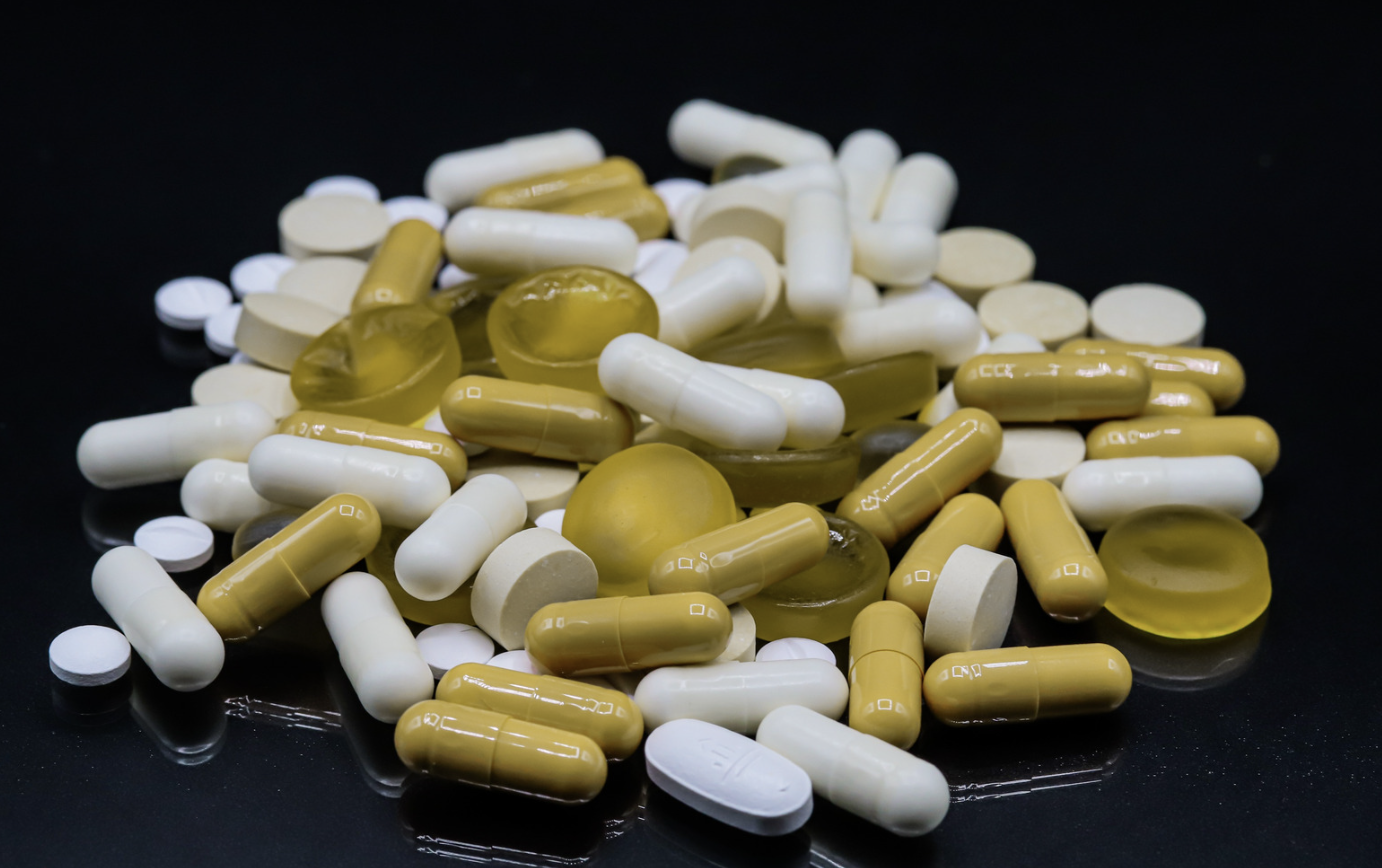
As a general statement, when dietary supplements have been studied rigorously in clinical trials, they have not been shown to prevent cancer.
For example, epidemiological and laboratory studies conducted decades ago initially suggested that taking antioxidants such as beta-carotene could help stave off cancer. Yet, randomized trials enrolling thousands of people … failed to show that beta-carotene prevents skin cancer recurrence in people with a previous skin cancer, or has any effect on overall cancer rates.
…
Similarly, vitamin E and selenium did not prevent the development of prostate cancer in a study that included over 35,000 healthy men, nor in a study of men with precancerous findings in the prostate.
Follow the latest news and policy debates on sustainable agriculture, biomedicine, and other ‘disruptive’ innovations. Subscribe to our newsletter.
Most dietary supplements are not harmful. Some, however, should be taken with caution, especially in certain populations of people.

In a follow-up analysis of the 35,000 healthy men treated with selenium and/or vitamin E — the study designed to prevent cancer — men taking vitamin E actually had a 17 percent higher risk of developing prostate cancer ….