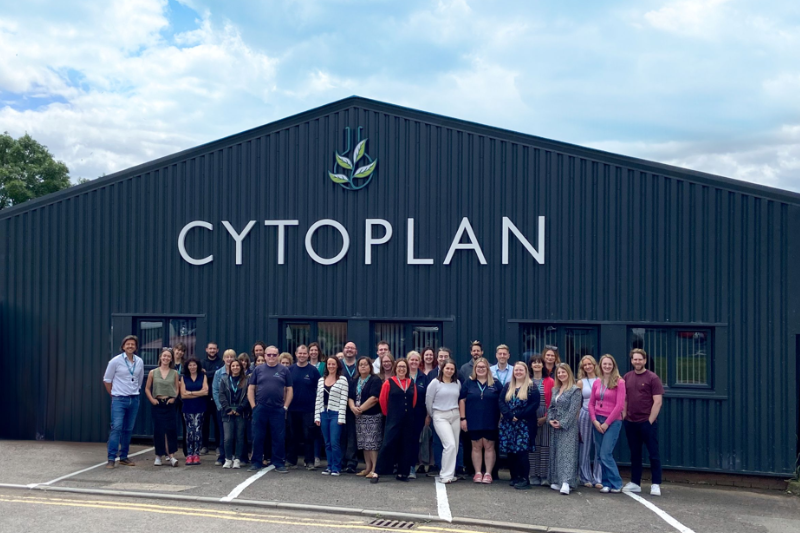
Cytoplan has achieved Certified B Corporation status, strengthening its position within the nutraceutical sector as a business focused on responsible nutrition, ethical sourcing and transparent operations.
The UK-based supplement manufacturer announced the certification on 12th February, confirming it has joined the global community of companies verified by B Lab to meet rigorous standards across social and environmental performance, governance and accountability.
To qualify, businesses must achieve a minimum assessment score of 80 and undergo reassessment every three years as criteria evolve. Cytoplan recorded a score of 106.3.
The company said the accreditation reflects established operating principles rather than a strategic shift, citing decades of emphasis on ingredient integrity, science-led formulation and responsible manufacturing practices.
It also highlighted its ownership structure (being wholly owned by a charitable foundation), which enables profits to be reinvested into education, research and charitable initiatives aligned with public health and nutrition.
Certification assessments evaluate performance across multiple areas, including environmental management, workforce practices, community engagement and corporate governance.
Cytoplan’s results have been independently assessed and publicly disclosed through its official B Corp profile, supporting transparency in a category subject to increasing regulatory and consumer scrutiny.
Dylan Griffiths, CEO at Cytoplan, said: “We are incredibly proud of this milestone.”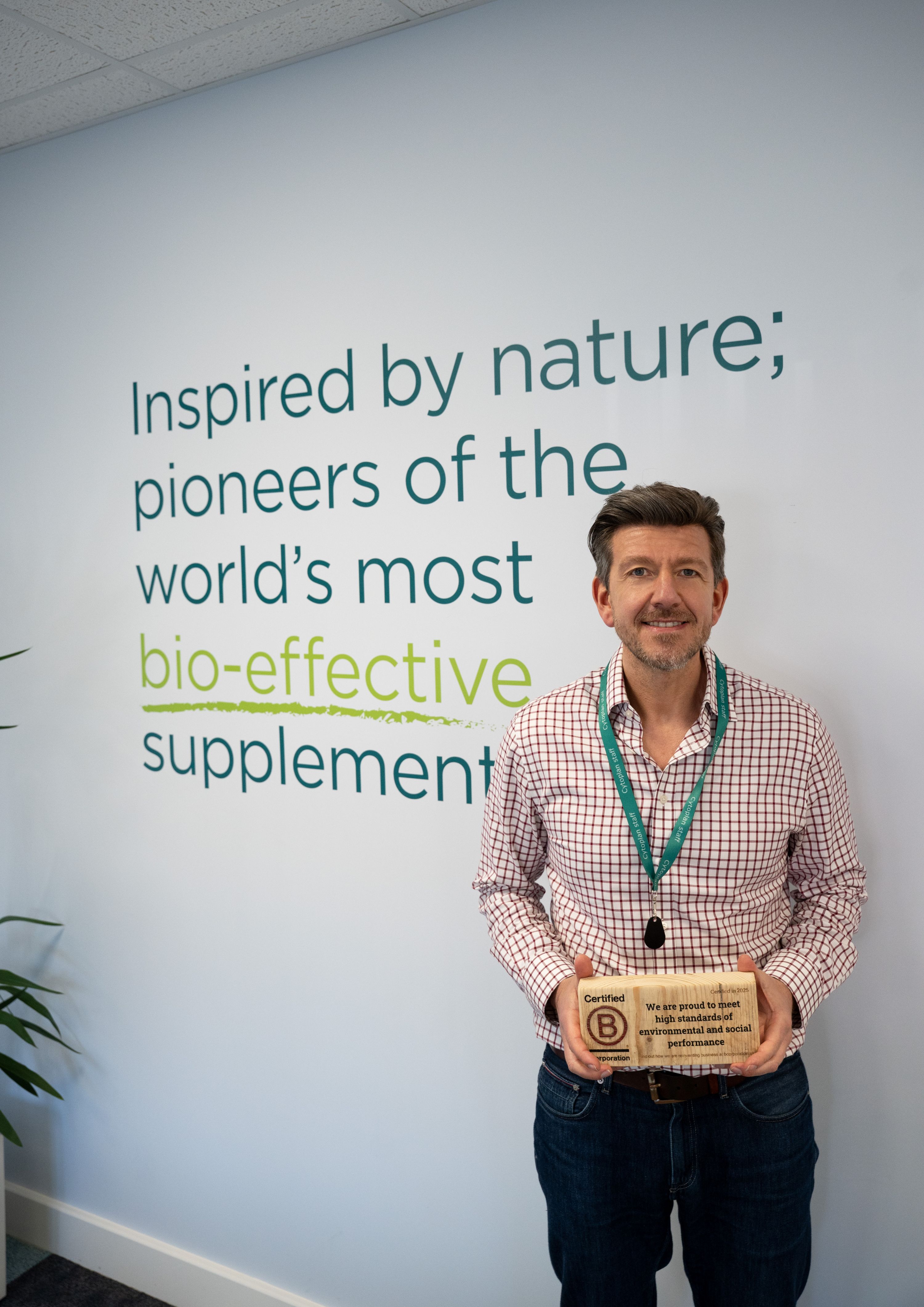
“Alongside our focus on quality and evidence-led formulation, the B Corp framework gives us a structured way to measure and improve our impact across the business—because responsible nutrition extends beyond product formulation to how we operate, govern and grow as a company.”
By securing B Corp status, Cytoplan joins a wider international network of purpose-driven companies seeking to align commercial success with measurable societal benefit.
For nutraceutical manufacturers, such recognition may also support brand differentiation and strengthen trust among retail partners and consumers prioritising sustainability credentials and ethical accountability.
The announcement reflects a broader trend across the nutrition and supplement sector, where manufacturers are increasingly formalising environmental and social commitments through third-party validation.
As demand grows for traceable sourcing and responsible production, recognised certification frameworks are becoming a strategic tool for demonstrating credibility and long-term value creation.


![[National Cancer Center]](https://www.vitaminrush.com/wp-content/uploads/2026/04/1775630735_news-p.v1.20260408.3a934993e5d245aaa6944c90f88b1a24_P1.png "The National Cancer Center announced on the 8th that it will expand its nutrition support program “C..")