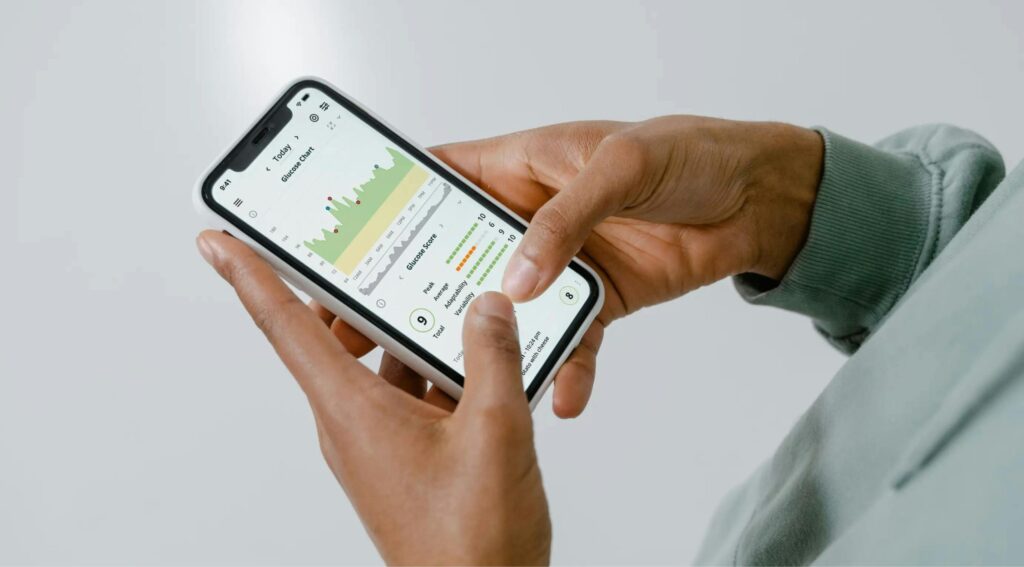
Self-care used to be simple—a bubble bath, a good book, maybe a weekend hiking trip.
Today, that same self-care has morphed into something entirely different. The $11 billion self-care industry has evolved from a wellness movement into something far more complicated and potentially problematic. What once meant taking care of yourself has become another set of performance metrics that people track, measure, and optimize like quarterly earnings.
This shift carries serious consequences for anyone trying to balance work and well-being. The WHO estimates that mental-health-related productivity losses cost the global economy $1 trillion annually. Businesses lose approximately $7.3 million in productivity for every 10,000 employees due to poor mental health. What’s more, improving employee wellbeing factors can boost company performance by at least 11 percent and up to 55 percent. Small wonder that organizations increasingly view wellness not just as a nice-to-have perk but as a performance indicator.
But here’s where things get tricky. Turning self-care into a quantifiable metric comes with risks that many don’t see coming. The shift from holistic wellness to measurable performance metrics can lead to perfectionism, self-criticism, and anxiety over failing to meet algorithmic standards. Even worse, this approach can turn self-care into a stressful obligation, contributing to burnout and a diminished sense of self-worth tied to a data score.
As the self-care industry continues expanding, one question emerges: at what point does optimization undermine the very wellbeing it aims to improve?
How self-care became a performance metric
Here’s what happened: self-care evolved from a personal practice into a quantifiable business metric faster than most people realized. Today’s self-care industry, valued at $1.5 trillion, represents a fundamental shift in how organizations view employee wellness—from optional benefit to essential performance indicator.
The change is unmistakable in corporate America. About 63% of Fortune 500 boards now formally assess executive health metrics. Why the sudden interest? Organizations finally recognized the financial implications of neglecting wellness, which costs $322 billion globally in turnover and lost productivity. That’s real money, and it got executives’ attention fast.
Workplace wellness has become a $53 billion market, expected to reach $78.56 billion by 2031. The metrics-driven approach to wellness emerged as companies discovered impressive returns—up to $6 for every $1 invested in wellness programs. Beyond financial incentives, leaders who model healthy boundaries create environments with greater trust and team cohesion.
For executives, the stakes are particularly high. Research shows 51.3% report significant stress levels, often sleeping 25% less and working 25% more than average employees. This performance pressure extends beyond leadership—nearly 70% of Americans now prioritize health activities several days weekly.
Consider this: the mental wellness sector alone grew from $120.8 billion to $131.2 billion between 2019-2020. That growth reflects how quickly self-care practices transformed from personal choices into professional requirements—measured, tracked, and evaluated alongside traditional performance indicators.
What started as “take care of yourself” became “show us your wellness metrics.”
The mechanics of turning wellness into KPIs
So how exactly do companies turn something as personal as wellness into trackable business metrics? The process is more systematic than you might think.
Organizations start by defining clear, SMART objectives that align with company goals. But the real work begins with establishing specific KPIs across multiple dimensions. Think of it as building a wellness dashboard that executives can monitor just like sales figures.
Wellness metrics typically fall into several categories:
Participation rates track program adoption
Engagement measures monitor consistent usage
Health outcomes assess specific clinical improvements
Employee satisfaction gauges program relevance
Cost savings calculate financial impact
The numbers tell the story. Companies analyze healthcare cost reductions, absenteeism rates, productivity metrics, and employee turnover. Many calculate wellness ROI using the formula: (net gain/cost) × 100. What’s more, programs increasingly track health biometrics, with wearable devices collecting data on blood pressure, sleep quality, and physical activity.
Technology has made this quantification process almost effortless. Digital platforms provide unprecedented visibility into program effectiveness through detailed analytics and real-time feedback. Meanwhile, wearables generate continuous data streams that allow employers to gain immediate insights and enable proactive interventions.
Of course, this metrics-driven approach presents privacy challenges. Data collection is inherently sensitive, prompting organizations to use anonymized, aggregated information to identify workplace health trends while maintaining individual privacy.
The bottom line? The mechanics involve transforming subjective wellbeing into objective, trackable parameters that organizations can monitor, analyze, and optimize alongside traditional business metrics. Your morning meditation becomes a data point. Your step count becomes a performance indicator.
The risks of performance-driven self-care
Something’s clearly not working. Despite workplace wellness programs costing large organizations an average of $10.5 million annually, the intended benefits often fail to materialize. Global corporate wellness spending is projected to reach $94.6 billion by 2026, yet mental health needs continue to rise rather than decline.
When self-care becomes a performance requirement, several critical risks emerge that most organizations don’t see coming. Penalties under such programs can leave employees financially worse off and potentially less healthy. Nearly 85% of large U.S. employers offer wellness programs, yet burnout rates keep climbing. This suggests these initiatives miss their mark entirely.
The privacy concerns are equally troubling. Wellness vendors can analyze data to predict personal developments, such as pregnancy, with over half of workers hesitant about sharing their health information. Some programs impose financial penalties up to 30% of coverage costs for non-participation. That’s not wellness—that’s coercion.
Perhaps most problematic is how performance-driven self-care places the burden of wellness entirely on individuals while organizational issues go unaddressed. As one expert noted, “Instead of acknowledging and listening to employees’ struggles, employers simply ask them to ‘practice self-care’”. This approach effectively masks systemic workplace problems like excessive workloads, outdated technology systems, and toxic leadership.
The irony is obvious: turning self-care into another key performance indicator risks transforming what should be restorative into yet another stressful obligation.
Conclusion
Self-care has come a long way from those simple bubble baths and weekend hikes. What started as personal wellness practices has morphed into corporate performance metrics, tracked alongside quarterly earnings and productivity reports. Companies certainly benefit when employees maintain good health, yet the pressure to optimize every aspect of wellness undermines the very purpose of self-care.
Here’s the uncomfortable truth: despite massive financial investments in corporate wellness programs, burnout rates keep climbing. This suggests a fundamental disconnect between intention and implementation. Companies track participation rates, biometrics, and ROI while employees feel increasingly obligated to perform wellness rather than genuinely experience it. Even worse, this approach often places responsibility solely on individuals while systemic workplace issues—excessive workloads, outdated systems, toxic leadership—remain unaddressed.
The current trajectory raises serious questions about where we’re headed. True self-care should reduce stress, not create additional performance anxiety. The most effective approach likely lies somewhere between complete rejection of wellness metrics and obsessive quantification. Companies must recognize that human wellbeing resists perfect optimization and sometimes requires space free from measurement.
The self-care industry will undoubtedly continue growing, but both organizations and individuals should ask themselves: does turning wellness into another KPI actually serve its intended purpose?
Maybe the most valuable form of self-care exists beyond algorithms and outside spreadsheets. Found instead in genuine moments of restoration that remain unmeasured and unquantified. Sometimes the best thing you can do for your wellbeing is to stop tracking it altogether.
Header image from Pexels