People have been told that they may need to stop taking supplements
Sophie Buchan Money and Lifestyle Writer
00:04, 14 Feb 2026

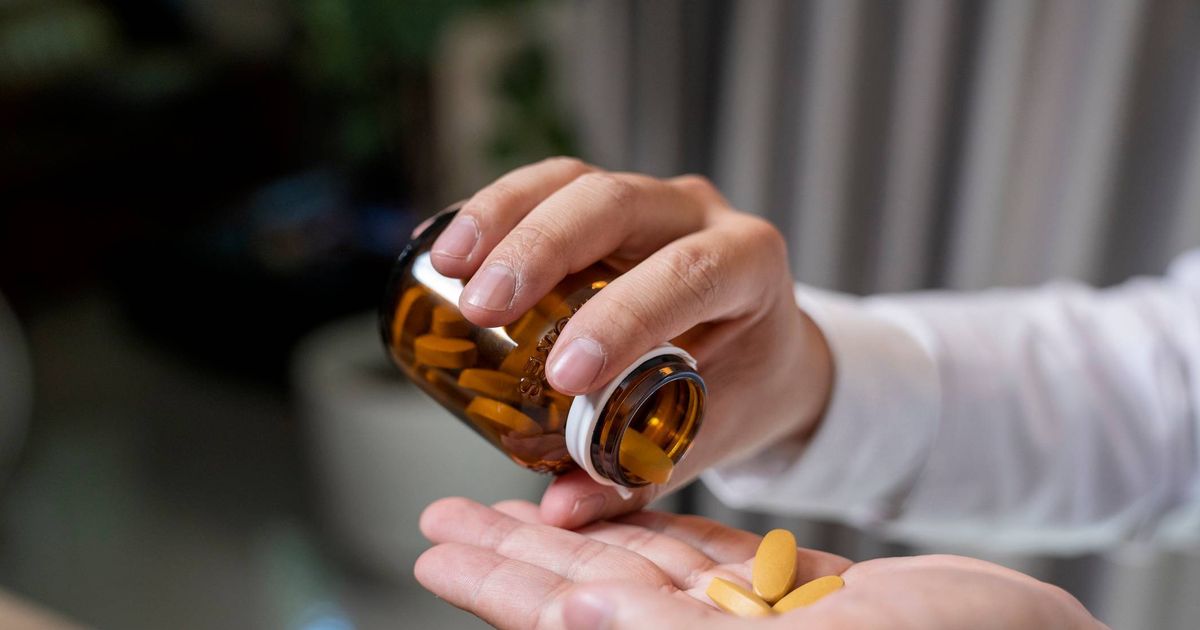
Vitamin D plays a vital role in our health(Image: Getty)
Vitamin D is hailed as the ‘sunshine vitamin’ that we need to take more of, especially during the UK’s winter months. But not many people know that taking too much could actually backfire.
Vitamin D toxicity, also called hypervitaminosis D, happens when your body gets overloaded. According to experts from the Mayo Clinic, although “rare”, it can “have a serious effect on health”.
This toxicity usually affects people who overdo the supplements. So there is no need to worry about your diet, as eating fatty fish won’t put you in the danger zone. “Even items with added vitamin D, such as cow’s milk, don’t have large amounts of the vitamin in them,” the experts said.

Vitamin D is known as the sunshine vitamin(Image: Getty)
However, according to experts, the biggest concern with excessive vitamin D is elevated calcium levels in the blood, called hypercalcemia. This can cause stomach upset, vomiting, weakness, and frequent urination. It may also lead to bone pain and kidney problems, such as kidney stones.
Treatment for vitamin D toxicity means stopping supplements. You may also need IV fluids to stay hydrated, and your doctor might prescribe medications such as corticosteroids or bisphosphonates to restore your blood calcium to normal levels.
How to prevent vitamin D toxicity
Experts at the NHS advise: “Do not take more than 100 micrograms (4,000 IU) of vitamin D a day as it could be harmful. This applies to adults, including pregnant and breastfeeding women and the elderly, and children aged 11 to 17 years.
“Children aged 1 to 10 years should not have more than 50 micrograms (2,000 IU) a day. Infants under 12 months should not have more than 25 micrograms (1,000 IU) a day.”
In more advice, the NHS and Mayo Clinic both warn that some healthcare professionals may prescribe higher doses. Experts at the Clinic note: “This may be done to help treat health conditions such as low levels of vitamin D.
“Talk with your healthcare professional before taking vitamin and mineral supplements. That way, you can find out if a supplement is safe for you.”

Vitamin D is hugely important for bone health(Image: Olga Rolenko via Getty Images)
If you want to include more vitamin D without the supplements, the British Heart Foundation (BHF) have listed some foods you can include in your diet.
Oily fishMushroomsEggsLiverRed meat
It adds that you can try and include vitamin D-enriched fruits too. “There is no vitamin D in fruits,” it warns.
“However, some fruit products can be fortified with vitamin D, including certain juices, smoothies and fruit yoghurts.” Some oily fish you can try include sardines, canned in brine, grilled mackerel, steamed salmon, and grilled herring.