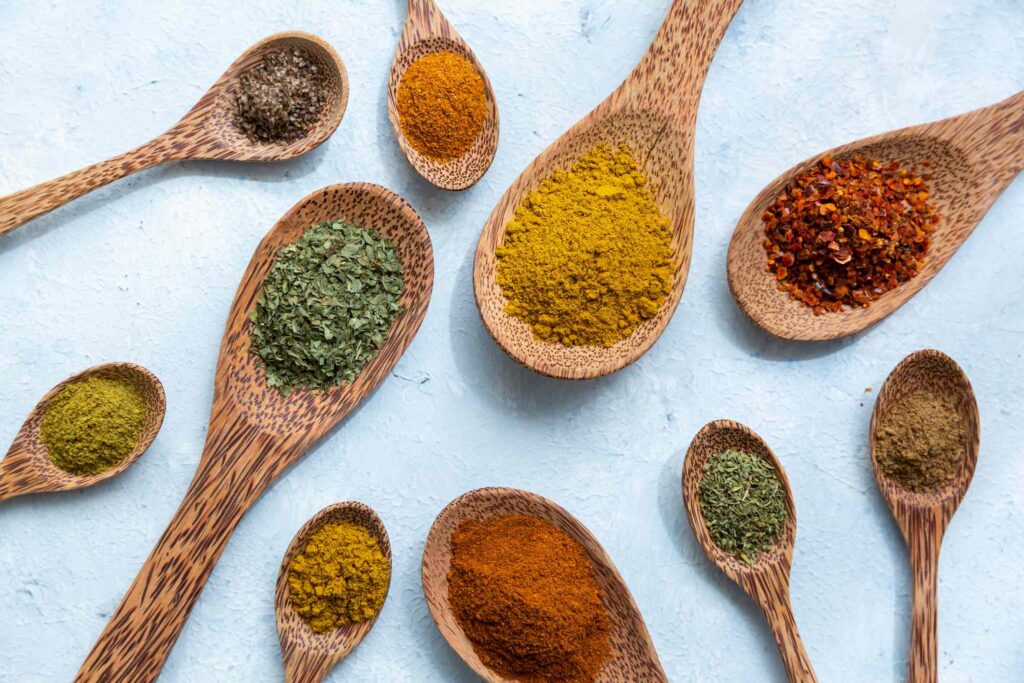
Iron is an essential mineral that supports growth and development. It helps your body produce hemoglobin, which is a protein in red blood cells that transports oxygen from your lungs to the rest of your body. It also produces myoglobin, which delivers oxygen to your muscles. Spices may not be used in large quantities, but certain spices can boost your iron intake.
SGAPhoto / Getty Images
Cumin has a warm, earthy flavor and is widely used in Mexican, Middle Eastern, and Indian cuisine. It’s one of the more concentrated spice sources of iron.
Iron content: 3.2 milligrams (mg), or 18% of the Daily Value (DV) per tablespoon.Culinary uses: Tacos, chili, curries, rice dishes, roasted vegetables.Tips for incorporating it into meals: Stir cumin into black beans, sprinkle over roasted sweet potatoes, or add to ground turkey or beef for extra depth.
manusapon kasosod / Getty Images
Turmeric is known for its bright yellow color and earthy taste. It contains iron and plant compounds such as curcumin, which have antioxidant and anti-inflammatory properties.
Pairing meals with turmeric along with vitamin C–rich foods, such as bell peppers or citrus, may help improve iron absorption
Iron content: 5.17 mg, or 29% of the DV per tablespoon.
Common culinary uses: Curries, soups, rice dishes, smoothies.
Tips for incorporating it into meals: Add turmeric to scrambled eggs, stir it into soups, or mix it into warm milk or plant-based milk for a golden milk latte.
Note: Some research suggests high-dose curcumin supplements may reduce iron absorption. No strong evidence suggests this occurs with the typical amounts used in cooking.
manusapon kasosod / Getty Images
Ginger adds a slightly spicy, warming flavor to both sweet and savory dishes. It’s best known for helping relieve nausea, but it also provides a small amount of iron.
Iron content: 1.03 mg, or 6% of the DV per tablespoon.Common culinary uses: Stir-fries, marinades, baked goods, and teas.Tips for incorporating it into meals: Add grated fresh ginger to sautéed vegetables, blend it into smoothies, or stir it into oatmeal.
SGAPhoto / Getty Images
Fenugreek seeds have a slightly bitter, maple-like flavor and are commonly used in Indian and Middle Eastern cooking. This iron-rich spice has been studied for its potential to support healthy blood sugar levels and ease menstrual cramps.
Iron content: 3.72 mg, or 21% of the DV per tablespoon.Common culinary uses: Curries, spice blends, flatbreads, pickled vegetables.Tips for incorporating it into meals: Add fenugreek to homemade spice blends, stir into savory lentil dishes, or steep the seeds to make tea.
Westend61 / Getty Images
Cinnamon is commonly used in baked goods and breakfast dishes, but it also works well in savory meals. Its protective plant compounds have been shown to help lower blood sugar and cholesterol levels.
Iron content: 1.3 mg, or 7% of the DV per 2 tablespoons.Common culinary uses: Oatmeal, baked goods, smoothies, curries.Tips for incorporating it into meals: Stir it into yogurt, sprinkle it over fruit, or add it to chili.
Xvision / Getty Images
Anise seed has a mild licorice-like flavor and is used in both sweet and savory recipes. It is less commonly used than cinnamon or cumin, but it can add depth of flavor while providing a small amount of iron.
Iron content: 2.48 mg, or 14% of the DV per tablespoon.Common culinary uses: Baked goods, teas, sausage seasoning, spice blends.Tips for incorporating it into meals: Add crushed anise seed to homemade bread, steep it in tea, or mix it into savory rubs.
Iron is a mineral your body needs to make hemoglobin, a protein in red blood cells that carries oxygen throughout the body. When iron levels are low, oxygen delivery slows down, which can lead to fatigue and low energy over time.
Some people are more likely to have low iron levels, including women of reproductive age, pregnant people, infants and young children, and those who follow vegetarian or vegan diets. Blood loss and frequent blood donation can also increase the risk of deficiency.
Spices can provide small amounts of iron, but they work best when paired with iron-rich foods such as beans, lentils, fortified cereals, red meat, poultry, and leafy greens. Eating plant sources of iron with vitamin C–rich foods, like citrus fruits or bell peppers, can help your body absorb more of it.