A new review of widely prescribed weight-loss and diabetes medications has prompted warnings that some users could face an unexpected health risk once associated with 17th-century sailors–scurvy.
Researchers at the University of Newcastle in Australia report that popular GLP-1 and GIP receptor agonist drugs, including semaglutide (Ozempic, Wegovy), tirzepatide (Mounjaro) and liraglutide (Saxenda), significantly reduce appetite and overall food intake, raising concerns about inadequate vitamin and mineral consumption.
The systematic review, which examined 41 randomized controlled trials conducted over 17 years and involving more than 50,000 participants, found that only two trials assessed or reported dietary intake data. One of those studies was unpublished. Both indicated reductions in total energy intake, but the methods used to evaluate diet quality were rated “poor” or “acceptable,” limiting confidence in the findings.
“These medications work, there’s no question about that,” said Clare Collins, Laureate Professor of Nutrition and Dietetics at the University of Newcastle and a Hunter Medical Research Institute researcher, in a university press release. “But a reduction in body weight does not automatically mean the person is well nourished or healthy. Nutrition plays a critical role in health, and right now it’s largely missing from the evidence.”
GLP-1 and GIP drugs suppress appetite, a mechanism that contributes to weight loss and improved metabolic markers. However, Collins cautioned that when overall food intake drops, the nutritional quality of remaining meals becomes increasingly important.
“If someone loses weight but their diet lacks adequate protein, fibre, vitamins or minerals, that has major concerns for their long-term muscle mass, bone health, brain health, gut health, as well as skin integrity and overall wellbeing,” she said.
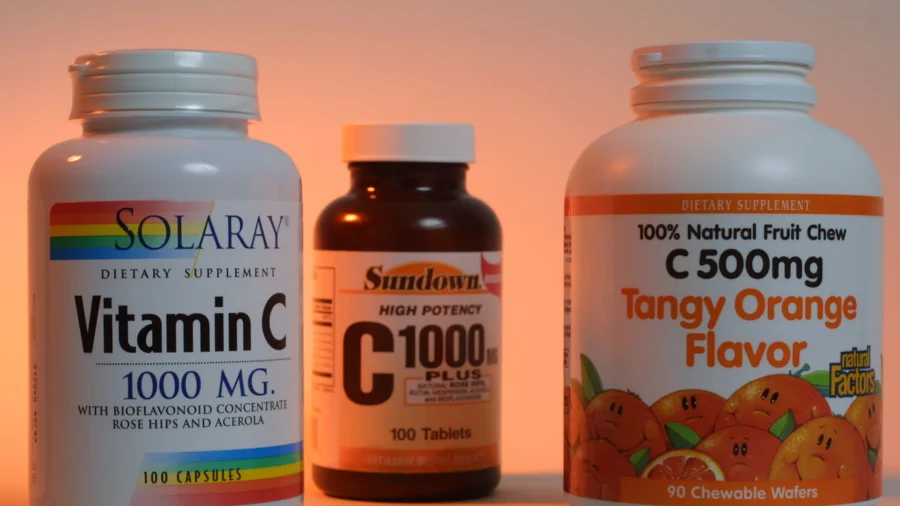
Scurvy, sometimes referred to as the “pirate disease,” is caused by a severe deficiency of vitamin C. According to the Mayo Clinic, symptoms can include anemia, bleeding gums, poor wound healing, and bruising. Historically, the disease affected sailors who spent months at sea without access to fresh fruits and vegetables.
While scurvy is rare in modern developed nations, recent anecdotal reports have drawn renewed attention to potential deficiencies among people consuming very limited diets.
British singer Robbie Williams previously told The Mirror he was diagnosed with scurvy after taking an appetite suppressant drug. “I’d stopped eating, and I wasn’t getting nutrients,” he explained. While he didn’t reveal the specific drug, he told The Times he was taking “something like Ozempic” in 2023.
The researchers emphasized that their findings should not be interpreted as criticism of the medications themselves, which have demonstrated substantial benefits in treating obesity and type 2 diabetes. Instead, they are calling for stronger dietary assessment protocols in future trials.
“If we only measure weight and blood sugar, we’re missing a big part of the picture,” Collins said. “Diet quality, food patterns and nutrient intake all contribute to health. They should be measured with the same rigour as other clinical outcomes.”