Home » Latest Travel News » Thailand Joins Singapore, Philippines, Vietnam, and Japan to Dominate the Blue Zone Hospitality Race: Asia’s Ultimate Wellness Revolution Starts Now!
Published on
February 12, 2026
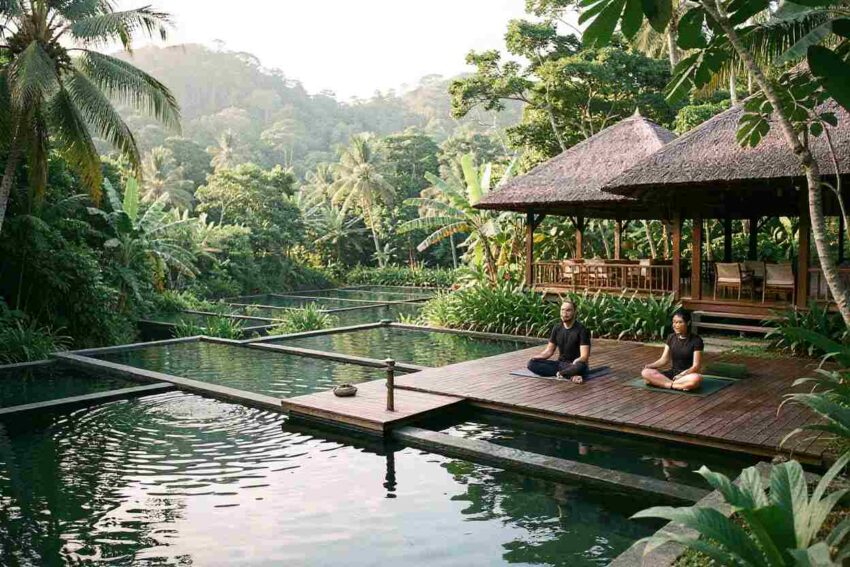
In a bold move, Thailand joins Singapore, Philippines, Vietnam, and Japan to dominate the Blue Zone hospitality race. This marks a turning point in Asia’s wellness tourism sector. The Blue Zone movement, known for promoting longevity and healthy living, has seen an explosion of interest across the region. Countries like Thailand, Singapore, Philippines, Vietnam, and Japan are now racing to implement Blue Zone-inspired wellness practices. By adopting lifestyle habits that emphasize natural living, diet, and community health, these nations are positioning themselves as the ultimate destinations for wellness tourism. As Thailand joins this wellness revolution, it shows its dedication to enhancing the health and happiness of its citizens and tourists alike. This ultimate wellness revolution promises to reshape travel and health across Asia, attracting millions of health-conscious tourists eager to experience longevity firsthand. The race is on, and Asia’s wellness future has never looked brighter.
The Blue Zone Concept: Understanding Longevity Tourism
The Blue Zone concept was initially developed through an analysis of regions where residents live longer, healthier lives. Traditional Blue Zones like Okinawa, Japan, have long been known for their high life expectancy. In Okinawa, the combination of a warm climate, beautiful coastlines, lush forests, and a healthy diet is believed to contribute to their residents’ extraordinary lifespan. The Okinawa Tourism Guide proudly claims that their longevity is largely due to the island’s local diet, which features foods like champuru, a dish made of pork, tofu, and seaweed. This minimalist diet, combined with the practice of nuchigusui, or seeing food as medicine, is a hallmark of Blue Zone living.
Now, many Asian countries are striving to replicate the Blue Zone way of life in a modern hospitality setting, blending nature, good food, community, and purposeful living into resort experiences. This approach is being embraced by nations like Singapore, Vietnam, Thailand, and the Philippines, each implementing their own version of longevity tourism. With tourism rapidly becoming an essential part of the economies of these countries, incorporating a Blue Zone lifestyle is seen as a way to attract global visitors looking to improve their health and well-being.
Singapore’s Pioneering Role in the Blue Zone Movement
In October 2023, Singapore’s Minister for Health announced that the country had been officially recognized as a Blue Zone 2.0 in a Netflix documentary. This prestigious title underscores the nation’s efforts to promote healthy living. The documentary highlighted Singapore’s successful integration of various health-promoting policies and initiatives that encourage regular low-intensity exercise, balanced diets, strong community bonds, and meaningful daily routines. By taking inspiration from other renowned Blue Zones like Okinawa and Sardinia, Singapore has elevated its own lifestyle to a point where longevity is no longer a happy accident, but a result of carefully engineered public policies.
This recognition also brought Singapore’s wellness tourism to the forefront of international discussion. Tourists from around the world now look to the city-state as a model for healthy living and longevity, with various hotels, resorts, and wellness programs promoting Blue Zone-inspired experiences. This boost in wellness tourism, combined with the country’s focus on public health, means Singapore is now a key player in global longevity tourism.
The Importance of Green and Blue Spaces in Singapore’s Longevity Strategy
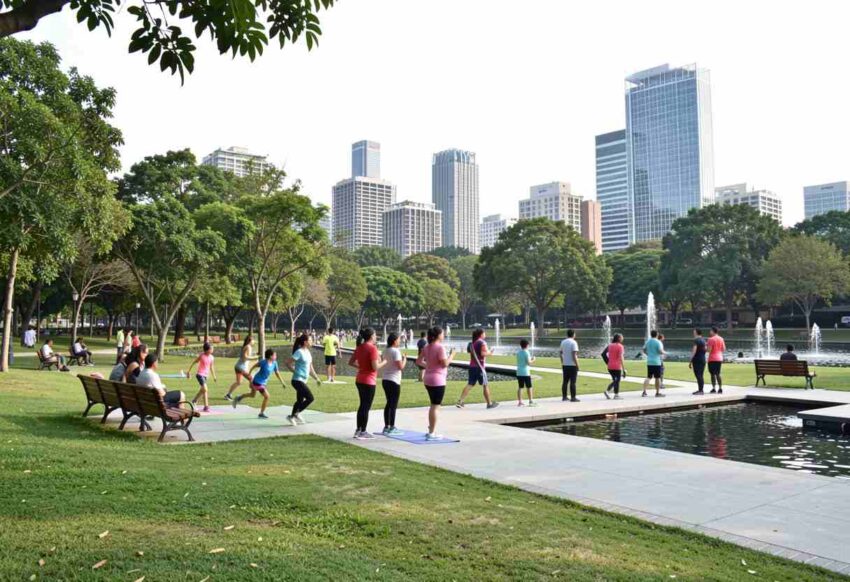
An analysis of Singapore’s urban planning reveals why the country has become a leader in the Blue Zone movement. The integration of green spaces and water bodies is central to the nation’s ecological and social resilience. The Green and Blue Plan aims to preserve biodiversity while providing residents with easy access to parks and green corridors. This network encourages people to take walks, engage in outdoor exercise, and unwind in natural surroundings, all of which contribute to a longer and healthier life. These spaces not only enhance physical well-being but also reduce the risks posed by urban heat and flooding, making them integral to Singapore’s longevity strategy.
Advertisement
Advertisement
For tourists, visiting Singapore becomes more than just a trip; it becomes an opportunity to embrace a lifestyle that supports health and wellness. The Green and Blue Plan ensures that Singapore’s residents and visitors have access to spaces that are conducive to physical activity, relaxation, and mental well-being. Parks like East Coast Park and MacRitchie Reservoir, along with urban spaces that include nature walks, cycling paths, and exercise zones, ensure that tourists have a seamless experience while being physically engaged. In essence, the urban planning strategies of Singapore have been designed to promote a longer and healthier life—not just for locals, but for every visitor that walks through its parks and streets.
 What You Need to Know Before Traveling to Singapore
When planning a trip to Singapore, it’s essential to be aware of the country’s entry requirements and safety guidelines. Visitors must ensure their passports are valid for at least six months from the date of arrival. Additionally, tourists are required to submit the SG Arrival Card online and may need to apply for a visa depending on their nationality. Travelers arriving from certain regions may also be asked to show proof of yellow-fever vaccination if necessary. Furthermore, the Immigration and Checkpoints Authority (ICA) sets regulations for carrying cash—visitors carrying over 20,000 Singapore dollars (or its equivalent in other currencies) must declare it upon entry.
Singapore’s tropical climate necessitates precautions such as staying hydrated and wearing sunscreen, especially when engaging in outdoor activities. The country’s safe streets and efficient public transport system make it a seamless destination for tourists looking to enjoy its Blue Zone lifestyle. By familiarizing yourself with these simple guidelines, your trip to Singapore will be smooth, comfortable, and wellness-centered. The clear and welcoming nature of Singapore’s entry procedures aligns with its Blue Zone ethos, ensuring that health-conscious travelers have a pleasant experience right from the moment they arrive.
Thailand’s Wellness Tourism: Progressing Toward Blue Zone Status
Thailand has yet to officially establish a Blue Zone, but it has made substantial progress toward becoming Asia’s wellness capital. The country has long been associated with traditional therapies, spa culture, and nature-based experiences, all of which align with the Blue Zone philosophy. Thailand’s wellness tourism industry is expanding rapidly, with Phuket set to host the prestigious Global Wellness Summit in 2026. This event will bring together over 600 delegates, highlighting the nation’s commitment to promoting holistic well-being.
The Tourism Authority of Thailand has launched campaigns like “Healing is the New Luxury” to position Thailand as the ultimate wellness destination. While Thailand is still in the early stages of its Blue Zone ambitions, its deep-rooted wellness heritage gives it a strong foundation. The country’s diverse natural beauty, rich spa culture, and commitment to health-focused experiences make it a prime contender in the longevity tourism race.
Thailand Travel Essentials: Entry Rules and Health Advice
For those considering a wellness trip to Thailand, it’s crucial to be familiar with the entry requirements. Citizens of 56 countries are eligible for visa-free travel for stays of up to 30 days. However, they must meet certain financial requirements, including having at least 10,000 baht for each person and proof of onward travel. In addition, tourists are encouraged to register with the eTravel System before arrival and carry a QR code for smooth immigration processing.
Thailand emphasizes tourist safety by providing resources like emergency hotlines and safety measures for water and road activities. Travelers are also reminded to follow safety guidelines related to tropical illnesses, such as malaria and dengue, and to be cautious of local environmental factors, including air quality and storms. By adhering to these recommendations, tourists can fully enjoy Thailand’s wellness tourism offerings without surprises.
 Vietnam’s Blue Zone Dreams: Ecovillage Saigon River
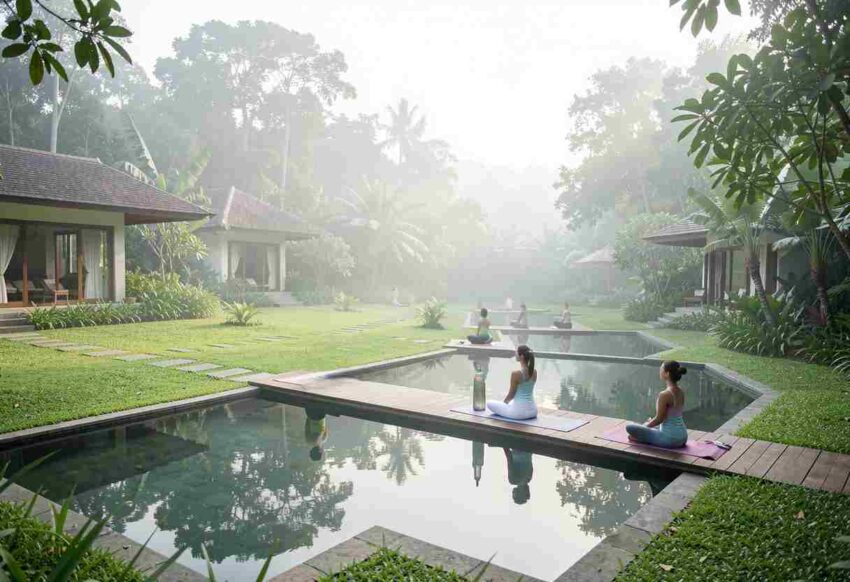
Vietnam is making headlines in the Blue Zone hospitality race with the launch of the Ecovillage Saigon River project in Ho Chi Minh City. This 55-hectare development aims to be the world’s next Blue Zone, combining eco-friendly features like water bodies, parklands, and natural wellness experiences. The Voice of Vietnam reported that the project will include areas dedicated to tree-hugging, organic food, negative-ion forests, and even sound gardens to promote overall wellness. This ambitious project will also integrate medical care with wellness facilities, positioning Vietnam as a serious player in the longevity tourism sector.
Vietnam’s entry into the Blue Zone movement is a testament to its growing importance as a destination for travelers seeking wellness and longevity experiences. The country is rapidly developing infrastructure and services that will draw health-conscious visitors from around the world.
Vietnam Travel: Visa Policies and Health Recommendations
Vietnam offers a range of visa options, including a 90-day e-visa for tourists from most countries. Generous visa exemptions are available for select nations, allowing stays of up to 45 days. Visitors are encouraged to explore Vietnam’s rich cultural heritage and enjoy UNESCO World Heritage Sites and traditional festivals.
Health and safety guidelines recommend purchasing travel insurance and carrying essential medical kits, especially for insect protection. While Vietnam offers beautiful landscapes, travelers are urged to take precautions against tropical diseases, such as malaria and dengue. Wearing mosquito repellent and following local health guidelines will ensure a safe and enjoyable trip.
The Philippines: Tropical Wellness Awaits
Though the Philippines has yet to embrace the Blue Zone movement, the country is a wellness paradise in its own right. The official tourism portal promotes the archipelago as a wellness destination with diverse activities, from spa retreats to island-hopping adventures. Travelers can enter the Philippines visa-free for up to 30 days under Executive Order 408, provided they have valid passports and onward tickets.
Safety precautions highlight the need to register for the eTravel system and carry a QR code upon arrival. While typhoons and petty theft are common concerns, travelers can enjoy a sun-soaked wellness adventure with proper preparation.
Okinawa, Japan: The Original Blue Zone
Okinawa, Japan, remains the original Blue Zone and a model for wellness tourism worldwide. The island’s diet, which includes dishes like champuru, emphasizes nutrition and longevity. Okinawan residents maintain a strong sense of community and engage in daily activities that keep them active and healthy. Okinawa’s success as a Blue Zone is attributed to its stable subtropical climate, diverse landscapes, and a lifestyle centered around health and wellness.
Japan’s visa rules allow citizens from 74 countries to visit visa-free for up to 90 days, and those arriving on tourist visas cannot engage in employment. Health safety guidelines urge travelers to be aware of natural hazards like earthquakes and tsunamis and to follow Japan’s meteorological warnings for the safest experience.
Why Singapore Leads the Blue Zone Race
In conclusion, Singapore has emerged as the leader in Asia’s Blue Zone hospitality movement due to its strategic urban planning, health-focused policies, and strong community-building initiatives. By carefully designing its environment and celebrating its Blue Zone status, Singapore not only enhances its citizens’ well-being but also inspires tourists to adopt healthy lifestyles. While Thailand, Vietnam, and the Philippines are making strides in wellness tourism, Singapore’s comprehensive approach sets it apart as the Blue Zone destination in Asia. Through a combination of progressive policies, meticulous urban planning, and community health programs, Singapore has created an ecosystem where longevity is not just a goal, but a way of life.