NEWYou can now listen to Fox News articles!
Researchers in Australia are raising flags about GLP-1 weight-loss medications potentially raising the risk of a rare disease.
Scurvy — historically called a “pirate disease” due to long voyages at sea without nutritious food — is caused by a lack of vitamin C. If left untreated, scurvy can cause severe symptoms, according to Cleveland Clinic.
Those symptoms include anemia, loose teeth, bruising, bleeding under the skin, swollen legs, rough skin and wounds that fail to heal, along with swollen, bleeding gums.
NEW WEIGHT-LOSS SHOT SHOWS MAJOR FAT REDUCTION, BUT EXPERTS URGE CAUTION
British pop singer Robbie Williams was diagnosed with scurvy in 2025, previously sharing with The Mirror that he experienced symptoms of the “17th-century pirate disease” after he’d been taking “something like Ozempic.”
The disease could surface as the result of not properly providing the body with nutrient-rich foods, leading to malnourishment. New research suggests that GLP-1 drug users may be at greater risk.
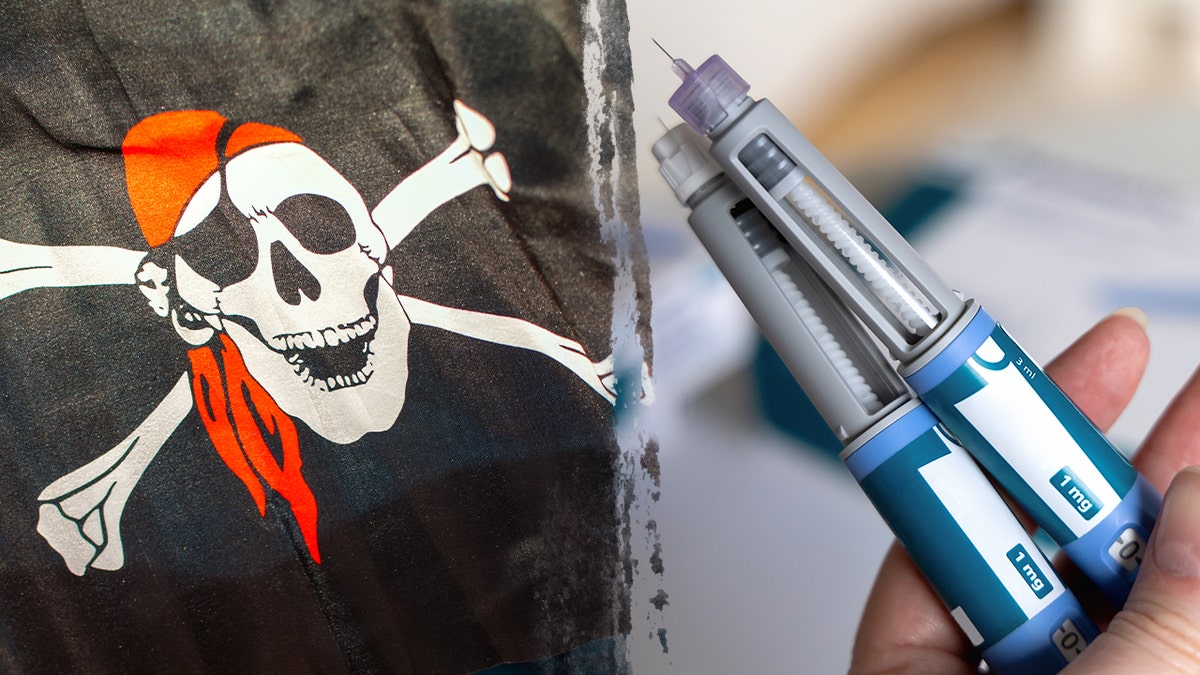
Weight-loss medications could lead to diseases caused by vitamin deficiencies, such as scurvy. (iStock)
A systematic review by the Hunter Medical Research Institute in Australia found that although diabetes and obesity medications support significant improvements in weight loss, clinical trials have “failed to report what people are actually eating while taking them.”
“A reduction in body weight does not automatically mean the person is well-nourished or healthy,” Clare Collins, laureate professor of nutrition and dietetics at The University of Newcastle, Australia, wrote in a press release statement. “Nutrition plays a critical role in health, and right now it’s largely missing from the evidence.”
SIMPLE WEIGHT LOSS QUIZ MAY PINPOINT WHY SOME DIETS FAIL – AND HOW TO BOOST SUCCESS
Future clinical trials should include “validated dietary assessment tools” and “transparent reporting of food and nutrient intakes,” the researcher suggested.
“We’re calling for greater attention to nutrition when these medications are being prescribed in order to avoid malnutrition risk.”
“The signs can be missed because they overlap initially with side effects of the medications.”
These findings raise “major concerns about the risk of malnutrition, including macro and micro-nutrient deficiencies, with adverse metabolic and nutritional effects being reported,” Collins told Fox News Digital.
Certain GLP-1 and GIP medications have a “major impact” on appetite and satiety, which leads to overall reduced food intake, according to the researcher.

For GLP-1 users without an appetite, one registered dietitian said the “risk of deficiency isn’t just real, it seems inevitable.” (iStock)
“While this mechanism drives weight loss, it also increases the risk of inadequate protein, fiber, vitamin and mineral intakes if diet quality and nutritional adequacy are not carefully monitored,” she cautioned.
Collins noted that nutrient deficiencies are “not specific” to scurvy. “There are other nutrients that, if not consumed in adequate amounts, can lead to deficiencies,” she said.
OBESITY EXPERT REVEALS THE BEST WAY TO DECIDE IF GLP-1S ARE RIGHT FOR YOU
Iron deficiency can cause anemia, for example, and vitamin B1 deficiency leads to beriberi (a disease that can damage the nerves and heart) and Wernicke’s encephalopathy (a potentially life-threatening brain disorder), according to Collins.
Dr. Philip Rabito, an endocrinologist and weight-loss specialist in New York City, confirmed that GLP-1 and GIP medications can contribute to protein-calorie malnutrition and micronutrient deficiencies without careful dietary management.
DEMENTIA RISK MAY RISE WITH A COMMON AFTERNOON SNACK MISTAKE, EXPERTS WARN
“Dramatically reduced caloric intake, especially when associated with increased consumption of ultraprocessed, nutrient-poor foods, may lead to clinically significant deficiencies, including vitamin C deficiency and even scurvy in rare cases,” Rabito told Fox News Digital. “The risk is heightened in older adults and individuals following overly restrictive diets.”
Pinpointing deficiencies
For GLP-1 users who are losing weight quickly, Collins said the signs of nutrient deficiency can be missed because they initially overlap with side effects of the medications, including fatigue, lethargy, nausea, poor appetite and irritability.
To ensure proper nutrition, she recommends seeking professional help from an accredited dietitian.

Experts emphasized the importance of an adequate intake of nutrients, vitamins and minerals, particularly for GLP-1 users. (iStock)
“It is challenging to assess whether your nutrient intake is adequate by yourself,” she said. “People may also require a specific multivitamin or mineral supplement, along with medical nutrition therapy support.”
CLICK HERE FOR MORE HEALTH STORIES
Rabito suggested that all GLP-1 patients should be screened for pre-existing nutrient deficiencies before starting treatment, and that clinicians should “emphasize adherence to a balanced, nutrient‑dense diet with defined protein targets to preserve lean body mass and prevent frailty throughout therapy.”
Behavioral risks
Los Angeles-based registered dietitian nutritionist Ilana Muhlstein emphasized that the university’s review of 41 clinical trials, spanning 17 years and more than 50,000 participants, found that only two studies actually measured or reported what patients were eating.
“The trials only tracked weight loss, not diet quality or behavior changes,” the expert, who specializes in weight loss, told Fox News Digital.
Muhlstein noted that for many Americans taking weight-loss medications, they regard the drugs as “permission to starve themselves” without making meaningful improvements to their diet quality.
“When your appetite is already low and you’re experiencing nausea, the last thing you want to eat is salmon or vegetables,” she said. “For these people, the risk of deficiency … seems inevitable.”
CLICK HERE TO SIGN UP FOR OUR HEALTH NEWSLETTER
For those who have struggled with their weight and relationship with food, it’s important to learn how to manage their appetite, Muhlstein emphasized.
“I believe these medications can work as a tool,” she said. “I love the analogy of treating them like training wheels. They’re meant to help keep you upright while you practice balance at the same time.”
TEST YOURSELF WITH OUR LATEST LIFESTYLE QUIZ
“When used this way, my clients are drinking more water, eating more protein and vegetables, and exercising more on the meds than they did before,” she went on. “They have slightly fewer cravings for junk food and feel motivated that their efforts show greater results than they did in the past.”
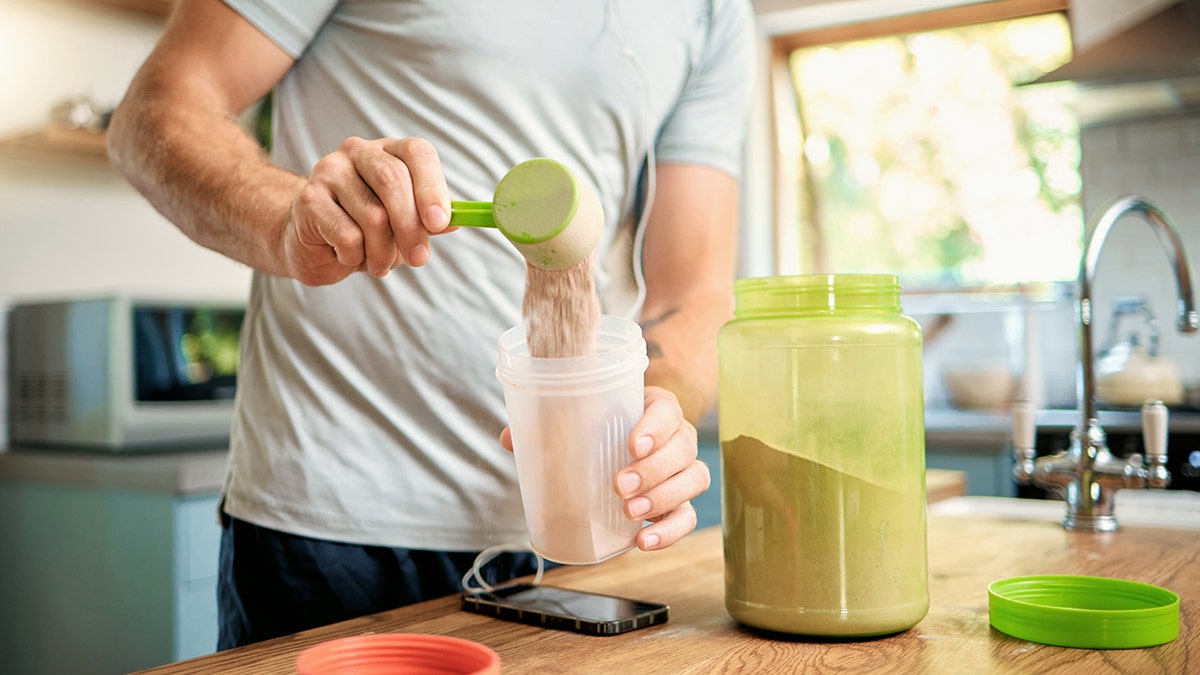
GLP-1 users who do not have an appetite should focus on supplementing nutrients, including the use of protein powder, one expert recommended. (iStock)
Anyone taking weight-loss medication should eat at least two cups of vegetables per day, have protein at every meal, include complex carbohydrates and healthy fats, and commit to sit-down meals rather than “grazing on scraps,” the dietitian advised.
CLICK HERE TO DOWNLOAD THE FOX NEWS APP
For those who have lost their appetite significantly, taking nutritional supplements — including protein powder, fiber, omega-3s and a quality multivitamin with minerals — can help avoid complications, she said.
“If you’re on these medications, you should be seeing your doctor at least once a year and getting labs drawn to check your vitamin and mineral levels, not just your weight,” she added.
Angelica Stabile is a lifestyle reporter for Fox News Digital.