GRAND JUNCTION, Colo. (KJCT) -Flowers, heart-shaped boxes of chocolates and cheesy, romantic greeting cards may be the first things that come to mind for Valentines’ Day.
But something crucially important that people should also think about during the holiday of love? Sexual health.
“Having open discussions— realizing these are adult conversations and having an open-mind about sex, being and adult and having sex, and being safe with sex is the best thing that students can do,” said Ryan Goodman, a physician assistant at Community Care of the Grand Valley and Colorado Mesa University’s student Wellness Center.
According to the CDC, young adults from 20-34 remain one of the most affected groups nationwide to contracting sexually transmitted infections and diseases. Goodman also said that infection rates tend to go up for college students during holidays and school-breaks.
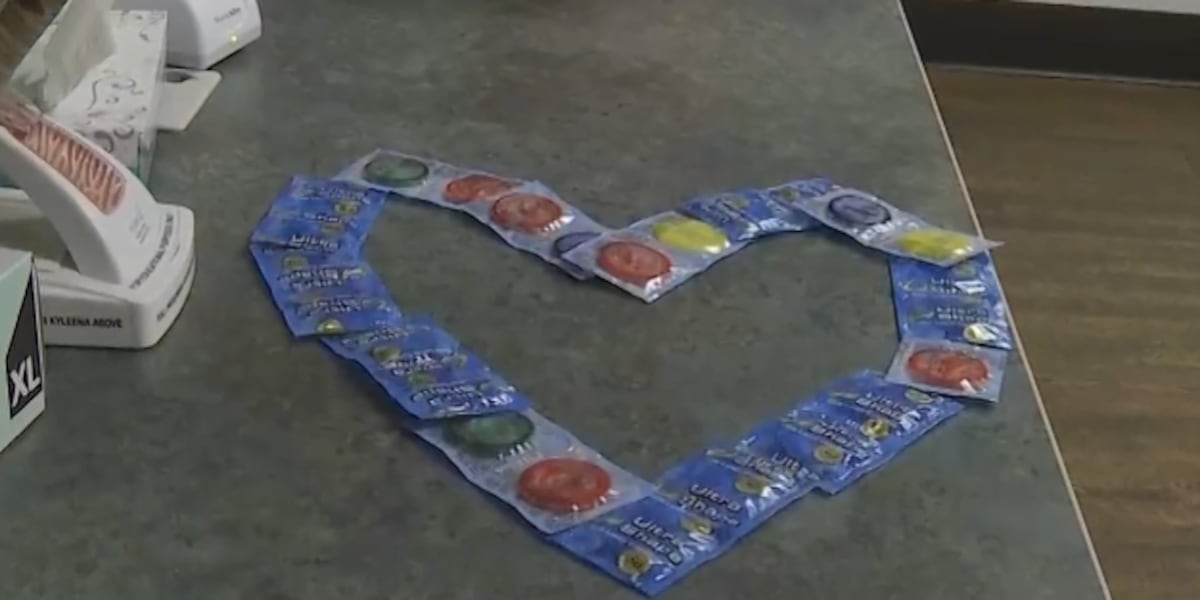
“The best way to prevent sexually transmitted infections is obviously abstinence,” Goodman said. “But, you know, it’s not for everybody. So, you should definitely use some sort of barrier protection. Condoms, dental dams— those are probably the best ways if you are going to engage in sexual encounters.”
The CMU Wellness Center offers students barrier protections like condoms, birth control options— which Goodman stressed does not prevent STD’s or STI’s, only unwanted pregnancies— as well as important vaccines that can prevent certain infections.
“We do provide Hepatis B vaccines, and we provide Gardasil specifically for HPV— which prevents cervical cancer and genital warts,” Goodman said. “So, it’s a good idea to get the vaccines available to prevent sexually transmitted infections, too.”
If you are worried about having recently contracted a STI or STD, its recommended you wait at least two weeks after intercourse to get tested to avoid a false-negative.
It’s also a good habit to get tested at least every six months to once a year, especially if you are not in a monogamous relationship.
And for anyone that may feel nervous or embarrassed about getting tested— don’t be.
“I think it’s really important to have discussions with people who are educated on sexually transmitted infections,” Goodman said. “And know that they’re there to help you and assist you through the process, so that you have the best knowledge that you need to be able to engage in appropriate sexual health.”
Above all— honesty matters. Before engaging in sex with a new partner, you should have an open conversation about your sexual history.
“You should be open and honest with what sexual encounters you’ve had in the past,” Goodman emphasized. “If you have sexually transmitted infections, please let them know that.”
“That way they can have an informed consent, and they can make decisions for their own body based on the information that you’re providing to them,” Goodman continued.
Copyright 2026 KKCO. All rights reserved.