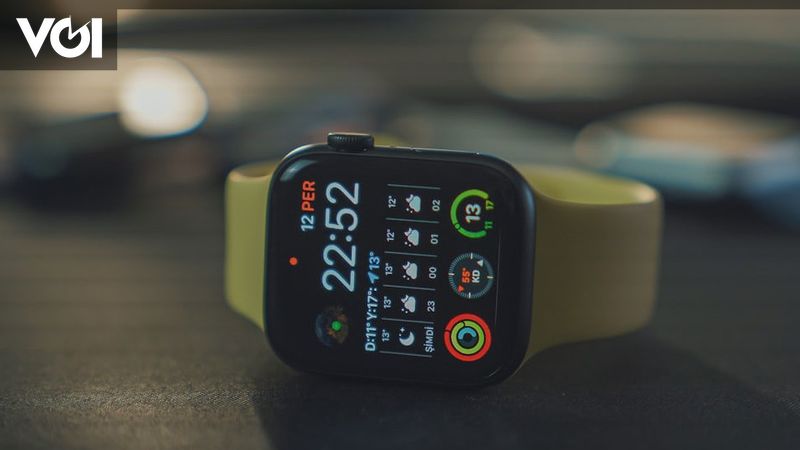
JAKARTA – The trend of using fitness devices such as smart watches, bracelets, and smart rings is increasing as people become more aware of monitoring their health.
But behind the ease of tracking heart rate, sleep patterns, and GPS-based exercise routes, users can also face serious risks related to data privacy.
Global cybersecurity company Kaspersky is reminding people to be more vigilant about sharing fitness data and choosing devices and apps with strong security protection.
Because according to the company, this data can be used by cyber criminals to conduct doxing, targeted phishing, to misuse health information.
Kaspersky explained that some companies, especially lesser-known brands, can monetize the data they collect by deliberately sharing or selling it to third parties such as advertisers, data brokers, or even insurance companies.
“Affordable fitness trackers can be a gateway to exploitation. Stick with established brands with a proven privacy track record to avoid having your fitness activity become an attacker’s playground,” said Anna Larkina, Web Content and Privacy Analyst at Kaspersky, in her report.
To protect yourself while exercising or monitoring your fitness activity, Kaspersky recommends:
Choose a reputable fitness tracker brand that has strong and transparent privacy policies and securityAvoid downloading all apps that appear in the app storeCheck the privacy policy, history of fitness tracker brands, and set exercise notes to be private in device settingsDownload apps only from official app stores for smartphones, such as the Apple App Store and Google Play, although they are not always risk-freeTo stay safe, always check app reviews, use only links from official websites, and install reliable security software.
The English, Chinese, Japanese, Arabic, and French versions are automatically generated by the AI. So there may still be inaccuracies in translating, please always see Indonesian as our main language.
(system supported by DigitalSiber.id)