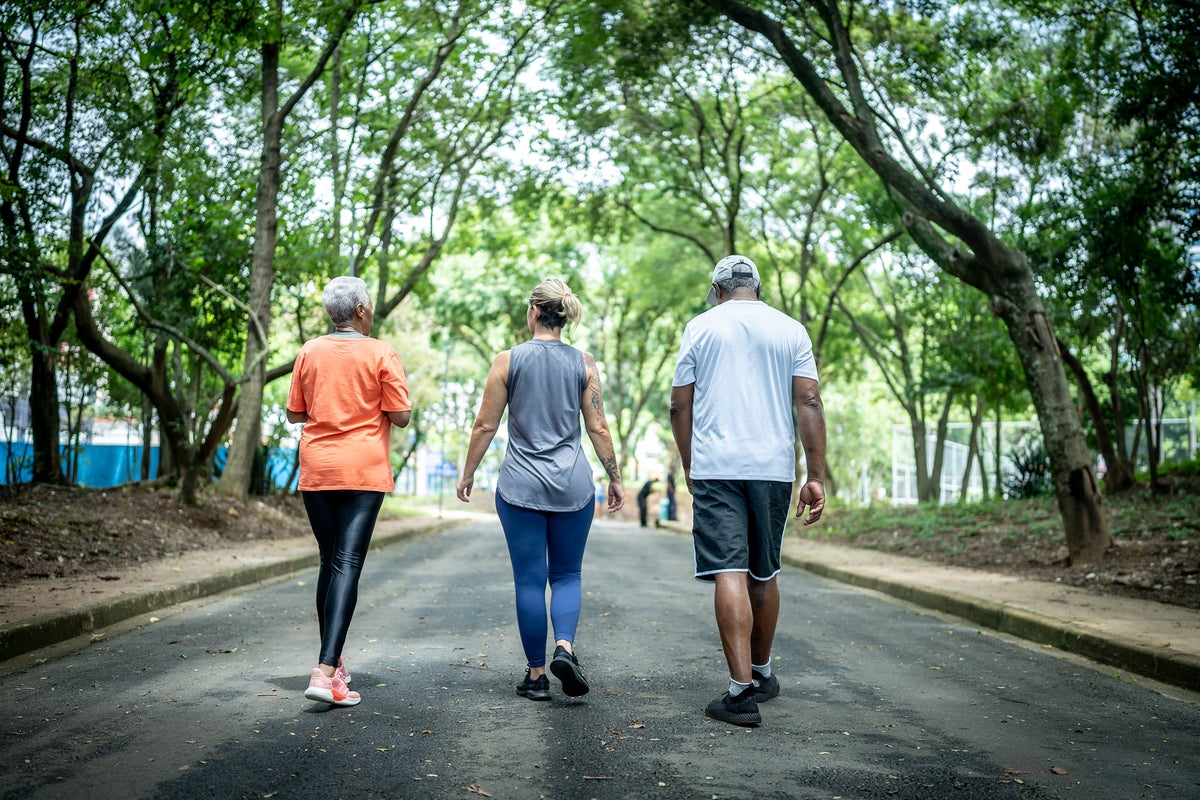
If you were building a house, what would you do first: buy a lampshade or lay the foundations? This might seem like a silly question, but opting for the former echoes the approach many people take to exercise.
They seek out complex exercise regimes, expensive supplements and “lifestyle hacks” (the metaphorical lampshade) while neglecting the basics: eating nourishing food, tweaking their sleep for the better and moving more. Trendy extras might add the cherry on top, but these foundational practices represent the rest of the cake.
As a fitness coach and journalist, I believe the vast majority of people in the UK could transform how they look, feel and function by simply moving more in their day-to-day lives. For most people, walking is the easiest and most accessible way to do this. And myriad other coaches, academics and researchers agree. Here are their top tips for walking your way to better health in 2026.
Set a goal
In brief: Aim to gradually increase your daily step count above your current average, with the ultimate goal of reaching at least 8,000 steps per day.
The human body adapts to be better at the activities you consistently do – how do you think people who lift weights end up with larger muscles? So increasing your physical activity levels in any form is likely to trigger positive changes.
If you want to know how many daily steps are needed for less active people to walk their way to better health, the simple answer is: anything more than they are currently doing.
Check your current average daily step count in the health app on your phone, then aim to increase it by 10-20 per cent in the next month. Once this feels easy, repeat the process using your new 24-hour average.
Ultimately, most people will want to work up to at least 8,000 steps a day, according to walking expert and associate professor of exercise science Dr Elroy Aguiar. Research, such as this study from the University of Granada, has repeatedly linked this figure with better longevity and a lower risk of chronic health conditions such as heart disease.
Read more: I used ChatGPT to plan my workout – then asked personal trainers to review it

open image in gallery
Breaking up your sitting time with regular movement breaks can reduce your risk of several chronic diseases (Getty/iStock)
Actively aim to sit less
In brief: Replace some daily sitting time with standing activities, such as taking phone calls while walking. Break up longer sedentary periods with light movement – this could be standing, stretching or grabbing a drink.
According to the NHS, many people spend more than nine hours each day sitting. Recent research from Brunel University found that, in those over 60, there were significant links between higher sitting times and markers of chronic diseases such as high blood sugar, cholesterol, waist size and blood pressure – even in those who exercised regularly.
Though this scientific review focused on older populations, Dr Daniel Bailey – part of the research team responsible – says this issue should be “an important consideration for people of all ages”.
The reason for these detrimental effects is not fully understood, but Dr Bailey points to the presence of “metabolic switches that help regulate blood sugar, glucose levels and cholesterol levels”. Movement switches them on; inactivity allows them to switch off.
He suggests two possible remedies: firstly, swap some of your daily sitting time for a standing activity. For example, use a standing desk, take a phone call while out for a walk or spread housework throughout the week. Secondly, break up sedentary time every 30 to 60 minutes with light movement: a few stretches at your desk, a short stroll or simply standing up will suffice.
Read more: Scientist recommends doing this if you struggle to walk 10,000 steps a day
open image in gallery
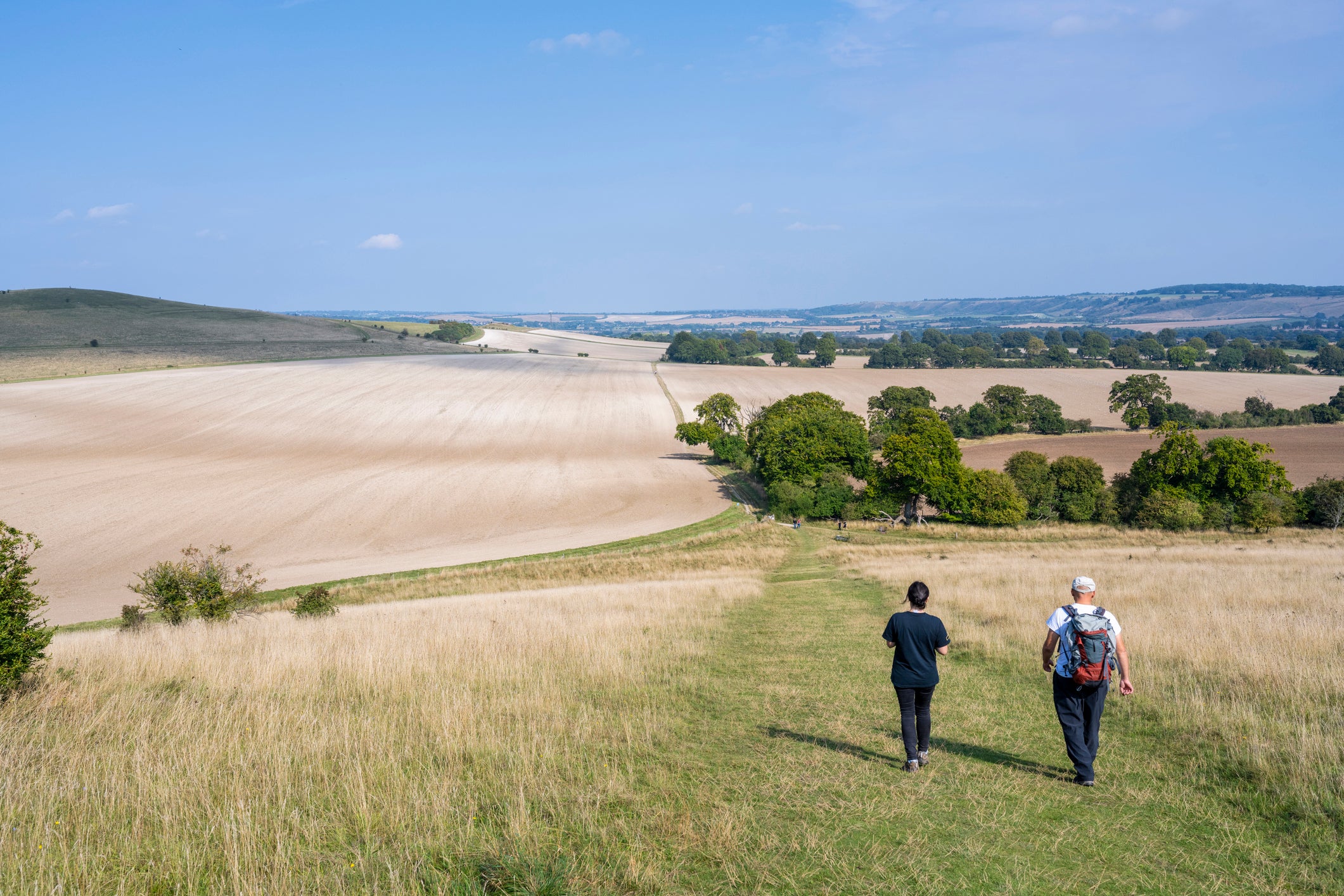
Walks lasting 10 minutes or more offer greater perks than accumulating the same amount of steps through shorter strolls (Getty/iStock)
Extend your walking time
In brief: Aim to incorporate one or more 15-minute-plus walks into each day.
What’s heavier, one kilogramme of feathers or one kilogramme of steel? This riddle has done the rounds for years, with most people quickly spotting that the two options weigh the same.
Now, what’s better for your health, five three-minute walks or one 15-minute walk? They’re the same, surely? Not quite.
Recent research from the University of Sydney looked at adults who took fewer than 8,000 steps per day. “Those who accumulated most of their steps in longer bouts, typically 10–15 minutes or more, had substantially lower risks of cardiovascular disease and early death compared with those whose steps were spread throughout the day in short bursts of under five minutes,” lead researcher Professor Emmanuel Stamatakis tells me.
The eight-year study was not designed to understand the mechanisms behind these results, but he suggests they could be linked to “longer walking bouts triggering physiological systems that aren’t activated during very short strolls”.
“Cardiometabolic processes such as improving heart rate variability, enhancing parasympathetic tone, improving glucose metabolism and increasing insulin sensitivity tend to require sustained muscle contraction,” Professor Stamnatakis explains.
For this reason, making time for a couple of 10-15-minute walks per day could unlock extra health benefits.

open image in gallery
Moving after meals has an immediate positive impact on blood sugar levels (Alamy/PA)
Move after meals
In brief: Take a brisk walk immediately after meals to improve blood pressure, regulate blood sugar levels and aid weight management.
A study published in the International Journal of General Medicine found that taking a brisk 30-minute walk immediately after lunch and dinner was more effective for weight loss than going for the same stroll one hour later. Further research from 2025 found walking for 10 minutes after eating to be an effective way to control blood pressure levels.
Dr Aguiar suggests these results could be tied to the immediate positive impact exercise has on blood pressure and blood sugar levels. Glucose is pulled into the cells of working muscles, lowering blood sugar levels and lessening the load on the pancreas to regulate it.
“That effect, over years and decades, is what prevents you from getting metabolic syndrome, diabetes and high blood pressure,” he says. “All of these things accumulate slowly over a long period of time, but if you exercise, you can reverse them before they become a problem.”

open image in gallery
Raising the intensity of your walk, through upping the pace or heading up a hill, can magnify the health benefits on offer (Getty/iStock)
Head for the hills
In brief: Several short bursts of more intense activity, such as climbing the stairs or walking briskly up a hill, can lower your risk of several health conditions and help you live longer.
Another study from the University of Sydney highlighted the merits of VILPA – an acronym for vigorous intermittent lifestyle physical activity. In other words, quick everyday actions that get you out of breath.
“Between five to 10 episodes of vigorous-intensity activity, lasting up to one minute, done on a daily basis, seems to be associated with between 30 and 50 per cent lower risk of cardiovascular conditions, cancer and mortality,” says Professor Stamatakis. “This is a substantial effect, considering that it comes from a relatively low amount of daily physical activity.”
This might be achieved by walking at a brisk pace uphill, climbing the stairs quickly, carrying heavy shopping or even vigorous gardening.
Read more: I’m a personal trainer – this is what I’d tell a client who wants to lose belly fat

open image in gallery
Not all steps need to be accrued through a formal walk – all movement counts (Getty/iStock)
Up your pace
In brief: Upgrade some of your daily walking time to a brisk pace to experience greater health benefits.
“All of the research in this area suggests that most of the benefits [from walking] accumulate at a moderate or higher intensity,” Dr Aguiar explains.
His team’s research concluded that a cadence of 100 steps per minute or more was enough to represent “moderate-intensity activity” in most people. This is similar to the cadence most people will naturally fall into during a brisk walk.
In people with lower fitness and activity levels, this can improve cardiovascular fitness. And, as Dr Aguiar puts it: “The research is very clear – individuals who have better aerobic fitness have lower risk of chronic disease than individuals who have low fitness.”
Read more: Just dry enough: how to tweak your drinking to reduce its harmful effects
open image in gallery
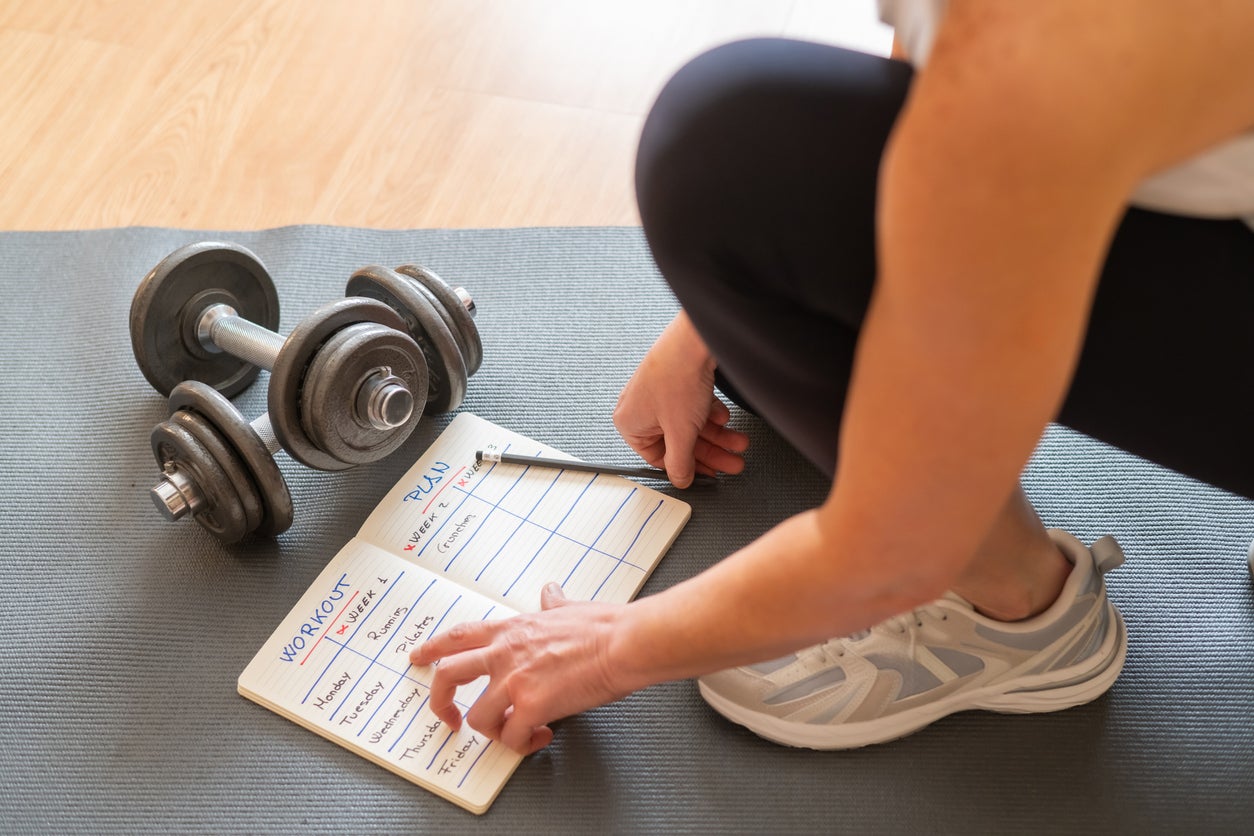
Having goals and a framework in place can help you continue to progress your fitness over time (Getty/iStock)
Don’t think you have the time?
If you currently struggle to squeeze walking into your life, this eight-week framework from David J Sautter, an NASM-certified personal trainer at WalkFit, will help you get started.
Weeks 1-2: Establish your rhythm
Start by aiming for three short walks per week, each lasting 10 to 15 minutes and done at a conversational pace.
The goal is to create a consistent habit rather than pushing for distance or speed. These early weeks are the best time to focus on your posture: shoulders back, core engaged, arms swinging lightly.
Weeks 3-4: Introduce gentle intervals
Once walking becomes a comfortable part of your routine, it’s time to introduce brief bursts of speed. During one or two of your weekly walks, alternate between one minute of brisk walking and two minutes of walking at your regular pace. These intervals gently challenge your heart and muscles, increasing cardiovascular benefits without overwhelming the body. Keep your other walks at a comfortable pace and listen to your body. If a brisk minute feels too much, simply shorten it.
Weeks 5-6: Extend and energise
By now, your body is likely accustomed to regular movement, so it’s a great time to start lengthening your walks to around 25 minutes while incorporating continuous moderate or brisk pace sessions. You should feel your heart rate rise, your breathing deepen, and your legs work a little bit harder. If possible, seek out gentle hills or varied terrain to build strength and stability.
Weeks 7-8: Peak and personalise
In the final phase, mix longer moderate walks with interval sessions. Aiming for a few steady walks each week lasting 30 minutes or more, alongside one or two 25-minute interval walks as described above. Begin each walk with a gentle five-minute warm-up, including easy-paced steps, shoulder rolls and ankle circles to prepare your muscles and joints. End every session with a five-minute cool-down, gradually slowing your pace and finishing with light stretches to support flexibility and recovery. By this stage, your body should feel more resilient and you should notice improvements in your endurance and energy levels.
The limitations
Walking is “the best” form of movement in Dr Aguiar’s eyes, thanks to its accessibility and impressive return on investment for your health. But if you want to build a strong, resilient body, it’s important to complete at least one or two strength training sessions per week to bolster bones and muscles.
Also, experienced exercisers may need a more intense activity like running, swimming and cycling to see improvements in their cardiovascular fitness: if walking already feels easy, there’s no need for the body to up the efficiency of your heart and lungs.
And for anyone with mobility issues, all forms of movement – from seated yoga to upper body strength training and mobility exercises, swimming to adaptive exercise techniques such as handbikes – will deliver health and fitness benefits when performed consistently.
Read more: The common foods that can reduce inflammation and improve heart health, according to experts