High-Intensity Interval Training, better known as HIIT, has gone from a niche training method used by elite athletes to one of the most popular workout styles in the world. You will find it everywhere—from CrossFit boxes and commercial gyms to home workout apps and sports science labs.
HIIT workouts are often praised for being short, brutal, and effective. But popularity alone does not mean effectiveness. What really matters is whether HIIT delivers measurable benefits that are supported by solid scientific evidence.
The good news is that it does. Over the last two decades, researchers have studied HIIT extensively, comparing it to traditional steady-state cardio, resistance training, and mixed training models. The results consistently show that HIIT can deliver powerful adaptations across cardiovascular health, metabolic function, body composition, physical performance, and even brain health.
This article breaks down five of the biggest, most scientifically supported benefits of HIIT-style workouts. Each section explains not just what happens, but why it happens, and who benefits the most. No hype. No fluff. Just clear explanations backed by research.
What Counts as a HIIT Workout?
Before diving into the benefits, it is important to define what HIIT actually is.
Defining High-Intensity Interval Training
HIIT is a training method that alternates short periods of very high-intensity exercise with periods of lower-intensity recovery or rest. The high-intensity intervals are typically performed at an effort close to maximal—often above 80–90 percent of maximum heart rate or near maximal power output.
The recovery periods can be active (light movement) or passive (complete rest), and the total workout duration is usually short, often between 10 and 30 minutes.
Common HIIT Formats
HIIT is not a single workout style. Common formats include:
• Sprint intervals on a bike, rower, or track
• Bodyweight circuits using movements like burpees, squats, and push-ups
• Mixed-modal intervals combining lifting, cardio, and gymnastics
• Tabata-style intervals (20 seconds work, 10 seconds rest)
• Repeated high-intensity efforts with longer rest periods
Despite differences in structure, the key feature is intensity. The work intervals must be hard enough to significantly stress the cardiovascular and metabolic systems.
Benefit 1: Dramatic Improvements in Cardiovascular Fitness
One of the most well-documented benefits of HIIT is its ability to improve cardiovascular fitness, often measured as VO2 max.
Why VO2 Max Matters
VO2 max represents the maximum amount of oxygen your body can use during intense exercise. It is a strong predictor of endurance performance, cardiovascular health, and even all-cause mortality.
Higher VO2 max values are associated with lower risk of heart disease, stroke, and premature death.
HIIT vs Steady-State Cardio
Multiple studies have shown that HIIT can improve VO2 max as much as, or more than, traditional moderate-intensity continuous training (MICT), even when total training time is significantly lower.
A landmark study by Gibala and colleagues found that just two weeks of HIIT, involving repeated 30-second all-out cycling sprints, significantly improved VO2 max and endurance capacity in recreationally active adults. The total weekly training time was less than 90 minutes.
Meta-analyses have since confirmed these findings. Research comparing HIIT and continuous cardio consistently shows superior or equivalent improvements in VO2 max with HIIT, despite lower total exercise volume.
Why HIIT Is So Effective for the Heart
HIIT pushes the heart to operate near its maximum capacity during work intervals. This creates strong stimuli for cardiac remodeling, including:
• Increased stroke volume (more blood pumped per beat)
• Improved cardiac output
• Enhanced oxygen delivery to working muscles
These adaptations occur because the heart must respond rapidly to repeated spikes in demand. Over time, this leads to a more efficient and powerful cardiovascular system.
Who Benefits Most
HIIT improves cardiovascular fitness in a wide range of populations, including:
• Beginners and sedentary individuals
• Recreationally active adults
• Endurance athletes
• Older adults
• People with cardiovascular risk factors, when properly supervised
The magnitude of improvement is often greatest in those with lower baseline fitness, but trained individuals still see meaningful gains.
Benefit 2: Superior Time Efficiency Without Sacrificing Results
One of the most appealing aspects of HIIT is how much benefit it delivers in a short amount of time.
The Time Barrier to Exercise
Lack of time is one of the most commonly cited barriers to regular exercise. Traditional exercise guidelines often recommend 150 minutes or more of moderate-intensity activity per week, which many people struggle to maintain.
HIIT offers a compelling alternative.
Less Time, Similar or Better Adaptations
Research consistently shows that HIIT can produce similar improvements in fitness, metabolic health, and insulin sensitivity compared to longer sessions of moderate-intensity exercise.
A study by Weston et al. demonstrated that HIIT protocols lasting under 30 minutes per session produced comparable improvements in cardiovascular health to endurance training sessions lasting 45 to 60 minutes.
Another study found that as little as 10 minutes of HIIT, including just one minute of high-intensity effort, improved cardiometabolic health markers in sedentary adults.
Why HIIT Saves Time
The efficiency of HIIT comes down to intensity. High-intensity work recruits more muscle fibers, demands greater energy turnover, and places greater stress on multiple physiological systems at once.
In practical terms, HIIT compresses the stimulus for adaptation into a shorter time window. You are not doing less work overall—you are doing more meaningful work per minute.
Practical Implications
For people with busy schedules, HIIT makes consistency more achievable. Shorter workouts are easier to fit into daily routines, which can improve long-term adherence.
Consistency, not perfection, is what drives results over months and years.
HIIT has profound effects on metabolic health, particularly in how the body handles glucose and insulin.
Understanding Insulin Sensitivity
Insulin sensitivity refers to how effectively cells respond to insulin to absorb glucose from the bloodstream. Poor insulin sensitivity, also known as insulin resistance, is a major risk factor for type 2 diabetes, metabolic syndrome, and cardiovascular disease.
Improving insulin sensitivity is one of the most important health benefits of exercise.
HIIT and Glucose Control
Numerous studies show that HIIT improves insulin sensitivity and glucose uptake in both healthy individuals and those with metabolic disorders.
Research by Little et al. demonstrated that just six sessions of HIIT over two weeks significantly improved insulin sensitivity in sedentary adults. These improvements occurred without changes in body weight, highlighting that metabolic benefits can happen independently of fat loss.
Similar findings have been observed in people with type 2 diabetes, where HIIT improved blood glucose control and reduced post-meal glucose spikes.
Muscle-Level Adaptations
HIIT increases the activity of key enzymes involved in glucose transport and oxidation. One major adaptation is increased expression of GLUT4 transporters in skeletal muscle, which allows glucose to enter muscle cells more efficiently.
HIIT also enhances mitochondrial function, improving the muscles’ ability to oxidize glucose and fat for energy.
Reduced Risk of Metabolic Disease
Long-term improvements in insulin sensitivity reduce the risk of developing type 2 diabetes and cardiovascular disease. Population-level studies show that higher cardiorespiratory fitness, which HIIT strongly improves, is associated with lower rates of metabolic disease and mortality.
Benefit 4: Effective Fat Loss and Body Composition Changes
Fat loss is one of the most common reasons people turn to HIIT, and the science supports its effectiveness.
HIIT and Energy Expenditure
While HIIT workouts are shorter, they can burn a significant number of calories in a short time due to their high intensity.
More importantly, HIIT increases post-exercise oxygen consumption, often referred to as the “afterburn effect.” This means the body continues to burn additional calories after the workout as it returns to homeostasis.
HIIT vs Traditional Cardio for Fat Loss
Meta-analyses comparing HIIT with moderate-intensity continuous training show that HIIT produces similar or slightly greater reductions in body fat, despite requiring less time.
A systematic review by Wewege et al. found that HIIT resulted in comparable fat loss to continuous cardio, with no significant differences in lean mass loss. This suggests HIIT is efficient without being overly catabolic.
Preservation of Lean Muscle
Because many HIIT workouts involve resistance-based movements or high-force outputs, they provide a stimulus to maintain lean muscle mass. This is particularly important during fat loss phases, where muscle preservation supports metabolic rate and long-term body composition.
Regional Fat Loss and Visceral Fat
Some studies suggest HIIT may be particularly effective at reducing visceral fat, which is the fat stored around internal organs and strongly linked to metabolic disease.
Reductions in visceral fat have been observed even in the absence of significant changes in body weight, highlighting the health benefits beyond aesthetics.
Benefit 5: Broad Performance Gains and Functional Fitness
HIIT does not just improve one physical quality. It enhances multiple aspects of performance at the same time.
Strength, Power, and Endurance Together
Traditional training often separates strength, power, and endurance into different sessions. HIIT blurs these lines.
Depending on how it is programmed, HIIT can improve:
• Anaerobic power
• Aerobic endurance
• Muscular endurance
• Speed and agility
Studies on athletes show that incorporating HIIT improves repeated sprint ability, time-to-exhaustion, and sport-specific performance.
Neuromuscular and Coordination Benefits
Many HIIT workouts involve complex, multi-joint movements performed under fatigue. This challenges coordination, balance, and motor control.
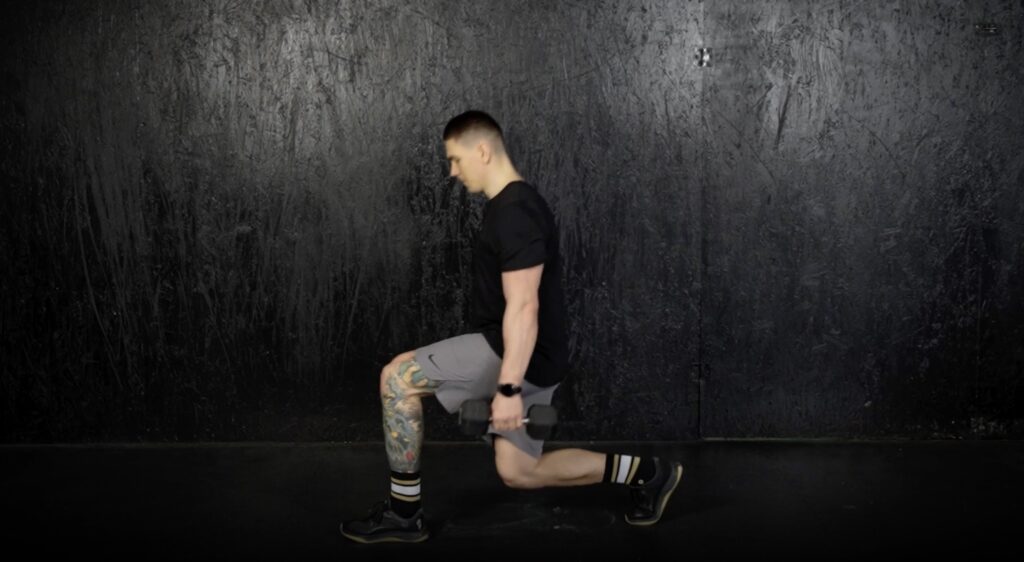
Over time, this can improve movement efficiency and functional strength, which carry over to daily activities and sports performance.
Mental Toughness and Cognitive Benefits
HIIT is mentally demanding. Repeated exposure to high discomfort builds psychological resilience and improves tolerance to effort.
Emerging research also suggests that high-intensity exercise may improve cognitive function, including executive function and memory, likely due to increased brain-derived neurotrophic factor (BDNF) and improved cerebral blood flow.
Real-World Fitness
HIIT prepares the body for real-world physical demands, which are rarely steady-state or predictable. Life and sport often require short bursts of high effort, followed by brief recovery periods—exactly what HIIT trains.
Is HIIT Safe?
Safety is a common concern, especially given the intensity involved.
Injury Risk and Proper Progression
Research indicates that when properly programmed and supervised, HIIT does not carry a higher injury risk than other forms of exercise. Problems arise when individuals jump into high-intensity work without adequate preparation.
Progression, proper technique, and appropriate rest are key.
Special Populations
HIIT has been safely used in older adults and clinical populations, including those with heart disease, under medical supervision. Modified protocols with lower impact and longer recovery periods are often used in these cases.
The takeaway is not that HIIT is inherently dangerous, but that intensity must match the individual.
Conclusion
HIIT is not a fitness trend built on hype. It is one of the most thoroughly researched training methods available, with strong evidence supporting its effectiveness.
The science shows that HIIT can dramatically improve cardiovascular fitness, save time, enhance metabolic health, support fat loss, and build well-rounded physical performance. These benefits apply across a wide range of populations, from beginners to elite athletes.
When programmed intelligently and performed with proper technique, HIIT is a powerful, efficient, and adaptable tool for improving health and performance.
References
• Burgomaster, K.A., Howarth, K.R., Phillips, S.M., Rakobowchuk, M., MacDonald, M.J., McGee, S.L. and Gibala, M.J. (2008). Similar metabolic adaptations during exercise after low volume sprint interval and traditional endurance training in humans. Journal of Physiology, 586(1), pp.151–160.
• Gibala, M.J., Little, J.P., van Essen, M., Wilkin, G.P., Burgomaster, K.A., Safdar, A., Raha, S. and Tarnopolsky, M.A. (2006). Short-term sprint interval versus traditional endurance training: similar initial adaptations in human skeletal muscle and exercise performance. Journal of Physiology, 575(3), pp.901–911.
• Weston, K.S., Wisløff, U. and Coombes, J.S. (2014). High-intensity interval training in patients with lifestyle-induced cardiometabolic disease: a systematic review and meta-analysis. British Journal of Sports Medicine, 48(16), pp.1227–1234.
• Little, J.P., Gillen, J.B., Percival, M.E., Safdar, A., Tarnopolsky, M.A., Punthakee, Z., Jung, M.E. and Gibala, M.J. (2011). Low-volume high-intensity interval training reduces hyperglycemia and increases muscle mitochondrial capacity in patients with type 2 diabetes. Journal of Applied Physiology, 111(6), pp.1554–1560.