Make Time, a US-based wellness company, aims to close a critical gap in women’s brain health by integrating “brain, body, and beauty” through innovation. The company centers on the idea that to look good, you have to feel good.
Consumers increasingly interact with beauty as a holistic ritual. Make Time is tapping into the movement by targeting women’s brain health. The company aims to support cognitive function and help women look and feel good in their bodies. Personal Care Insights sits down with Make Time to discuss the crucial gaps in women’s cognitive care and how brain care innovation can create influential ripple effects for personal care.

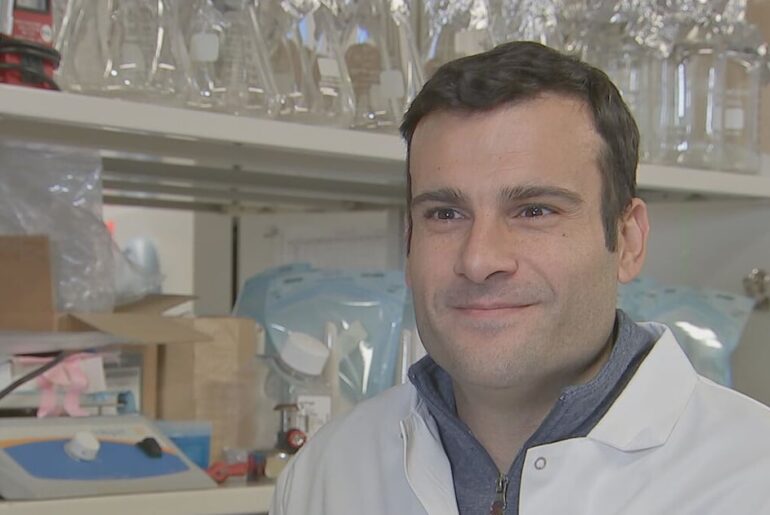
Helen Christoni, co-creator of Make Time Wellness, tells us that we are in a climate where one in five women develops Alzheimer’s and burnout in women is normalized. Brain care thus becomes vital in combating exhaustion and long-term health issues, while simultaneously addressing beauty concerns as a byproduct.
“For so long, beauty has been about what we put on our skin or how we shape our bodies. But when was the last time someone talked to women about their brains, how they think, how they feel, and how they show up? That’s why we always say ‘brain, body, and beauty’ — in that order,” says Christoni.
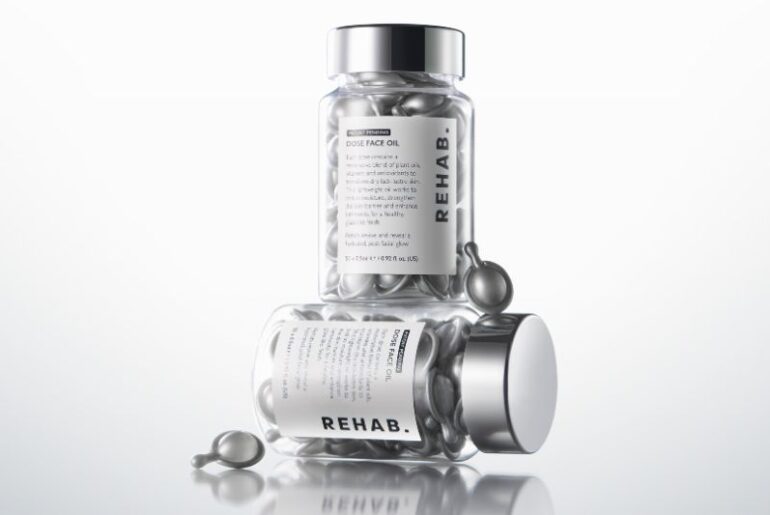
Make Time Wellness’s product range includes a drink powder and three gummies. The powder contains Cognizin citicoline, curcumin, MCT oil, Acetyl-L-carnitine, biotin, and a complete women’s multivitamin. The products aim to provide a range of functions such as improving focus and mental clarity while boosting healthy hair, skin, and nails. The individual products serve separate purposes, with some catering toward high-energy morning routines and others encouraging strong immunity and bone health.
Brain, body, beauty
a growing movement connects brain health and beauty.
Make Time Wellness is part of a growing industry momentum toward supporting personal care from the inside out. The company argues that personal care concerns should be addressed at the level of physical health to achieve lasting, effective results.
“Women’s brain health advocacy teaches us that we can’t keep separating beauty from foundational health. If we truly care about women aging well, we have to start with the brain,” says Christoni.
According to Christoni, women are starting to understand that exhaustion, stress, inflammation, and a lack of sleep are brain signals “asking for a break.” She argues that women must prioritize brain health first before considering interventions for mood, energy, body, and skin.
“When you support the brain first, the ripple effects can be powerful,” says Christoni.
“Your brain regulates stress, sleep, inflammation, and energy, all of which impact your body and how you look and feel. When focus improves, stress feels more manageable. When sleep improves, hormone balance and skin health often improve too.”
Last month, Make Time launched on US home shopping channel QVC’s The New Beauty Inside & Out series, which focuses on holistic beauty and wellness products.
“Our mission is to get the world talking seriously about women’s brain health. Being on QVC allowed us to bring that conversation into millions of homes and meet women where they are, and not be intimidating. It helped normalize the idea that taking care of your brain is just as important as taking care of your skin,” says Christoni.
Substance before glow
As consumers become more informed, they are seeking scientifically backed beauty products that promise reliable and lasting results.
“Women want substance now. They don’t just want ‘glow.’ They want to understand what’s actually happening in their bodies. Cellular-level conversations reflect a deeper desire for longevity, not just looking good next month, but feeling good and being able to enjoy our lives 20 years from now,” says Christoni.
She explains that the longevity-minded shift is largely driven by women asking better questions about dosing and demanding science-backed credibility.
“They care about clinical studies. They care about testing and transparency. That’s a big shift from the quick-fix culture we’ve seen in the past,” Christoni says.
In balancing a branding tone that remains accessible, Make Time emphasizes the importance of building trust through scientific rigor but “speaking plain English.”
“It’s easy to use sophisticated language. It’s much harder to clinically validate it and stand behind your claims,” explains Christoni.
“If our mission is to get the world talking seriously about women’s brain health, we have to treat it seriously ourselves. That means rigorous review, thoughtful formulation, and staying within what the science actually supports.”
A crucial cognitive gap Women account for two-thirds of Alzheimer’s patients.
Christoni underscores the critical importance of women’s brain health advocacy. She explains that since women account for two-thirds of Alzheimer’s patients, it is vital that the personal care industry continues to educate and make a “real difference” in long-term cognitive health, starting with awareness.
“The statistics are hard to ignore — one in five women will develop Alzheimer’s, and two-thirds of Alzheimer’s patients are women. Yet for years, brain health hasn’t been front and center in women’s wellness conversations.”
Fundamentally, the company aims to raise awareness and start conversations about women’s cognitive health, and to de-normalize the unnecessary detriment to women’s health that Christoni attributes to the pace of day-to-day life.
“It’s that so many women think feeling foggy or mentally exhausted is just ‘normal.’ We’ve normalized burnout. We’ve normalized grind culture. We’ve normalized poor sleep,” she says.
Christoni explains that the company’s mission is to help women realize that brain health deserves attention and give them actionable lifestyle tips to take care of it.
Make Time’s is indicative of a broader trend toward neurocosmetics.
“By 2026, one of the foremost trends shaping the personal care industry will be the rise of Neuro-Skin Aging, a scientific frontier at the intersection of dermocosmetics, neuroscience, and longevity research,” Amandine Scandolera, head of Biological Evaluation, Givaudan Active Beauty, previously told Personal Care Insights.
The ingredients supplier had predicted that the connection between neurosensory processes and aging would become prominent in the next wave of beauty actives.