Menopause is often framed around what we should be cutting out: Less sugar. Fewer carbs. No snacking.
It can all start to sound like zero enjoyment. But what if there was another approach? One that didn’t involve deprivation and self-punishment.
“In reality, midlife nutrition works far better when we focus on what to add in, rather than what to take away” says Emma Bardwell, one of the UK’s leading nutritionists for midlife women. “The truth is, most women in midlife don’t need to strip their diets back.”
Emma, author of last year’s Sunday Times bestseller The 30g Plan, says: “As hormones shift, our bodies actually need more of certain nutrients, particularly protein, calcium and fibre.”
She says: “The good news is that if you want a sustainable solution to combat menopausal symptoms, you don’t need to resort to extreme diets or expensive superfoods. It’s about everyday ingredients, eaten consistently.”
 Nutritionist Emma Bardwell is passionate about eating well in midlife
Emma’s expert guide to great menopause foods
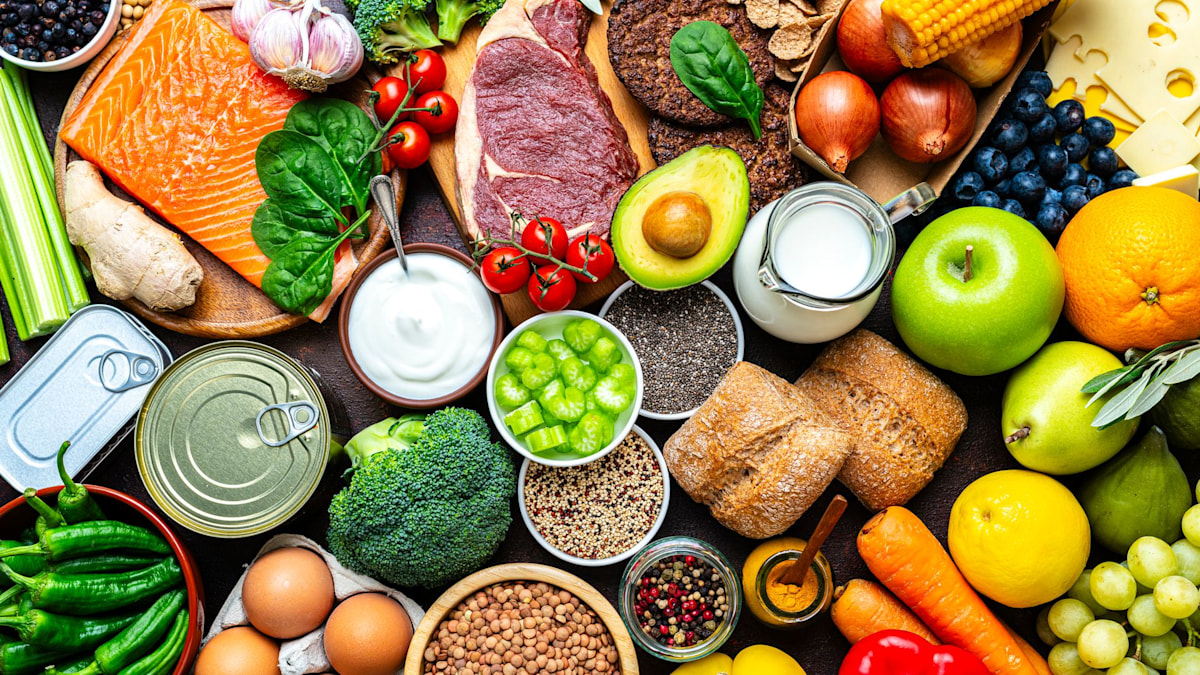
Here are ten foods Emma says most women don’t eat enough of during menopause that can make a real difference to energy, appetite and overall wellbeing.
1. Beans and lentils
Unfashionable but unbeatable, beans and lentils are rich in fibre, plant protein and slow-release carbohydrates, which help stabilise blood sugar and keep you full for longer. They’re strongly linked to better gut health and easier weight management, yet many women still see them as ‘too carby’. Adding chickpeas to salads, lentils to soups or beans to curries is one of the simplest midlife upgrades you can make.
2. Oats (the big, jumbo kind)
Oats are often overlooked in favour of low-carb breakfasts, but they’re incredibly supportive in menopause. They contain beta-glucan fibre, which can help lower cholesterol and feed beneficial gut bacteria, while providing steady, sustained energy. Pairing oats with Greek yoghurt, a splash of milk, some berries and ground flaxseeds gives you a super simple fibre-and-protein combo that sets the tone for the day and keeps you satisfied for hours.
3. Eggs and egg whites
Protein needs increase with age, yet many women still fall short, especially earlier in the day. Eggs are one of the most efficient ways to boost protein intake, while also providing vitamin D, iodine and choline, all important for brain and thyroid health. They’re quick, versatile and far more than just a breakfast food. I usually recommend 20-30g of protein per meal, so adding in 100ml of egg whites (you can buy these in a carton) to 2 eggs in an omelette or scrambled eggs can really help bump up the numbers.
4. Dark leafy greens
Spinach, kale, rocket, watercress and spring greens tend to play a supporting role on our plates, but they deserve much more airtime. These green powerhouses provide fibre, folate, magnesium and a whole host of micronutrients linked to better energy levels, mood and digestive health. Adding generous handfuls to curries, stews, omelettes or pasta dishes quickly adds nutritional value without too much fuss.
5. Soya foods
Soya often sparks debate, but it’s one of the most researched foods in relation to menopause. Tofu, tempeh, edamame beans and soya yoghurt contain isoflavones, a type of phytoestrogen that can gently interact with oestrogen receptors in the body. For some women, regular soya intake is associated with improvements in hot flushes and night sweats, though responses vary. Nutritionally, soya also delivers high-quality plant protein and fibre, making it a very useful midlife staple.
6. Oily fish (special shout out to sardines!)
Oily fish supports far more than heart health. In menopause, omega-3 fats are linked to reduced inflammation and may support bone and brain health too. Sardines are a particularly good option: affordable, sustainable and rich in calcium when eaten with the bones (we need 1200 mg of calcium a day over the age of 50). If fresh fish isn’t within budget, tinned absolutely counts.
Say HELLO! to your Second Act
HELLO!’s Second Act is a newsletter for women in midlife and beyond. It’s completely free to sign up and is a one-stop-shop for advice and inspiration on the issues our Second Act community have told us matter most: health, relationships, travel, menopause, divorce, careers, finance and more.
7. Yoghurt and fermented dairy
Gut health plays a surprisingly important role in hormone metabolism, immunity and even mood. Live yoghurt, kefir and fermented cheeses like parmesan provide protein, calcium and iodine alongside beneficial bacteria that help support a diverse gut microbiome. These microbes don’t just pass through you, when eaten regularly, they help produce compounds that support digestion, immunity, mood and even skin health.
8. Nuts and seeds (especially flaxseeds)
Nuts and seeds are often avoided because they’re calorie dense, but they’re packed with fibre, healthy fats and minerals like magnesium and zinc. Flaxseeds are particularly interesting in menopause because they contain phytoestrogens, plant compounds that can have a gentle oestrogen-like effect in the body. They’re not a hormone replacement, but including a tablespoon or two daily can support hormone balance for some women, while also benefiting gut health.
9. Whole grains beyond wheat
Brown rice, barley, rye, freekeh and quinoa tend to be underused, yet they add valuable fibre, micronutrients and variety to the diet. Variety matters more than perfection. Different grains feed different gut bacteria, and we know that dietary diversity is strongly linked to better long-term overall health.
10. Olive oil
Fat isn’t the enemy in menopause, but quality does matter (and quantity too, if weight loss is a goal). Extra virgin olive oil is rich in polyphenols, plant compounds linked to reduced inflammation and better heart and metabolic health. Despite lingering myths, it’s perfectly suitable for everyday cooking, as well as dressings and drizzling.
Menopause doesn’t require restriction or rigid rules. It calls for meals that are filling, fibre-rich and protein-forward, built around foods that support your body long-term. When meals are genuinely nourishing, a lot of the food noise around cravings, energy dips and weight frustration begins to fade. So please don’t associate midlife with eating less — it’s more about eating smarter, with foods that work with you rather than against you.
Emma Bardwell is the UK’s leading nutritionist for midlife women. Her new book The Fibre Effect is published on February 19th by Penguin and is available to pre-order on Amazon now, by clicking here.