Recent safety alerts circulated by the Minnesota Department of Agriculture, the U.S. Food and Drug Administration, and the Centers for Disease Control and Prevention underscore a familiar but urgent truth: vigilance at the grocery shelf remains one of the most important forms of public health.
As of mid-February 2026, three recalls spanning baby food, raw oysters, and a widely marketed dietary supplement have drawn federal scrutiny. Here is what Minnesota consumers need to know.
1. “Tippy Toes” Apple Pear Banana Fruit Puree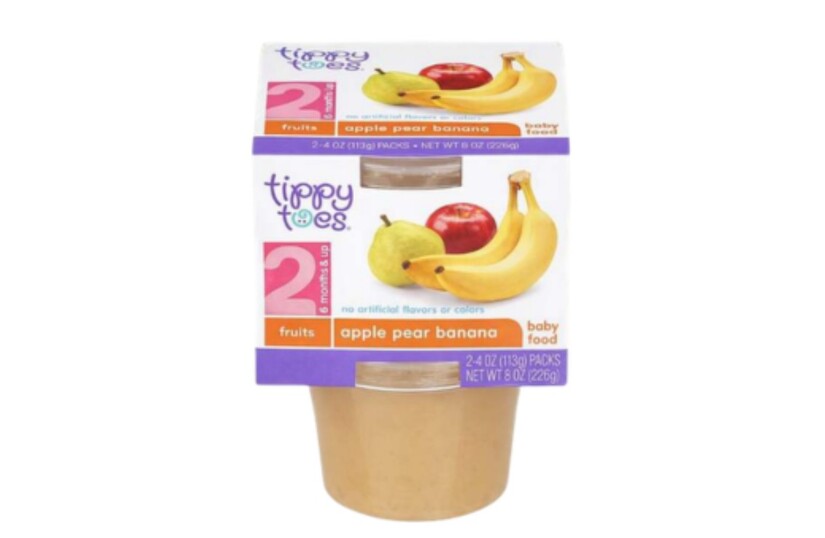
Risk: Elevated patulin levels
The recall involves a single lot of “Tippy Toes” Apple Pear Banana Fruit Puree manufactured by IF Copack, LLC, doing business as Initiative Foods. According to the FDA, testing detected elevated levels of patulin, a mycotoxin produced by molds such as Penicillium expansum, which can grow on bruised or rotting fruit, particularly apples.
Patulin occurs naturally in fruit products at very low levels. Federal regulators set strict limits for infant foods because babies are especially vulnerable to toxin exposure.
Potential health effects
While no illnesses have been reported, long-term exposure to elevated patulin levels may cause nausea, gastrointestinal distress, headaches, fever, and, in severe or prolonged cases, potential immune or neurological effects.
How to identify the recalled product
Product: Tippy Toes Apple Pear Banana Fruit Puree
Format: 2-pack plastic tubs, 4 oz each
Lot Number: 07174
UPC: 036800-265783
Best By Date: BB 07/17/2026
Package Code: INIA0120
Consumers are advised to stop using the product immediately and return it for a refund or dispose of it safely.
2. Stellar Bay Oysters
Risk: Norovirus outbreak linked to Canadian harvest site
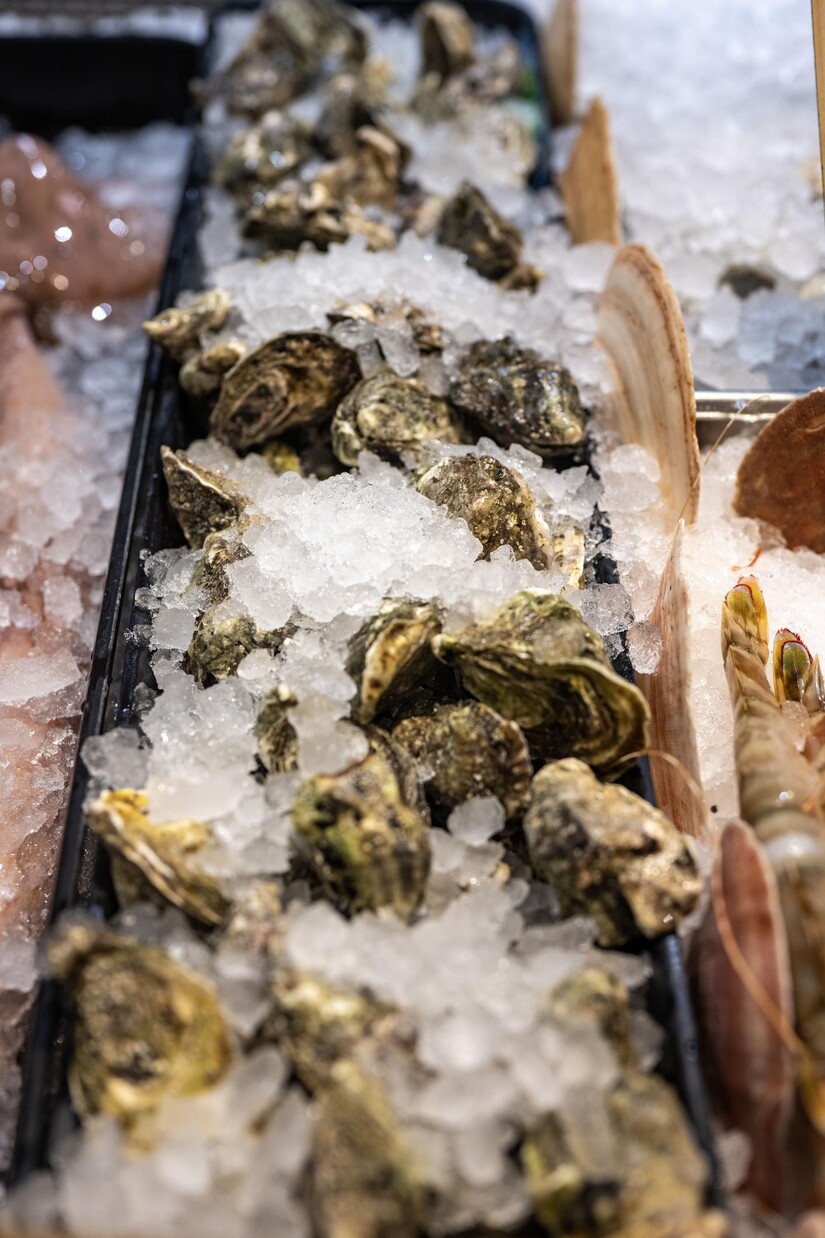
Federal health officials have linked a multistate outbreak of norovirus-like illness to oysters harvested by Stellar Bay Shellfish Ltd. in British Columbia.
The FDA has advised restaurants, retailers, and consumers not to sell or consume oysters from:
Harvest Area: BC 17-20 (Nanoose Bay)
Tag Identifier: CLF #1401656
Harvest Dates: December 30, 2025; January 20, 2026; January 26, 2026; January 29, 2026
Illnesses have been reported in Washington and California, with distribution reaching
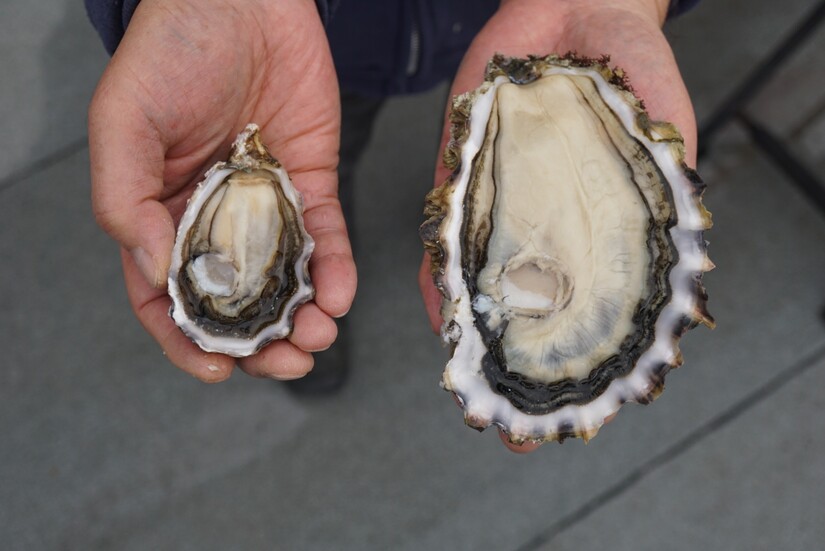
multiple states.
The health risk
Norovirus is highly contagious and is a leading cause of acute gastroenteritis. Symptoms typically begin 12 to 48 hours after exposure and include vomiting, watery diarrhea, abdominal cramps, nausea, and fever. Most people recover within one to three days, but dehydration can pose serious risks for children, older adults, and immunocompromised individuals.
Contamination often occurs in harvesting waters impacted by wastewater or environmental runoff. Because oysters are frequently consumed raw, they can transmit the virus if contaminated.
Consumers who have oysters matching the harvest details should not eat them. Surfaces that may have contacted the product should be washed with hot, soapy water.
3. Rosabella Moringa Capsules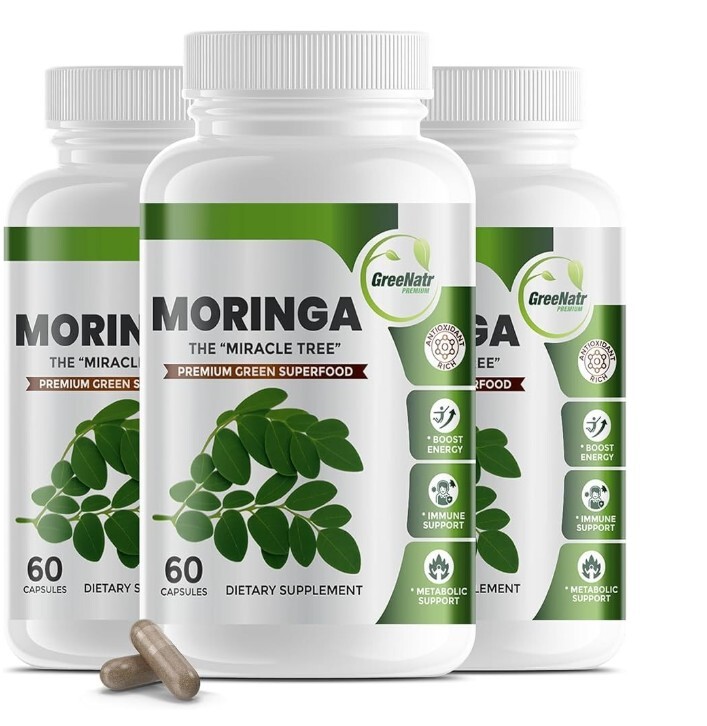
Risk: Extensively drug-resistant Salmonella Newport
Ambrosia Brands LLC has recalled certain lots of Rosabella Moringa Capsules following a CDC investigation into a multistate outbreak of extensively drug-resistant (XDR) Salmonella Newport.
As of federal reporting, seven illnesses and three hospitalizations have been confirmed.
Why this strain is concerning
The CDC reports that this strain shows resistance to multiple first-line and alternative antibiotics, complicating treatment in severe cases. While most Salmonella infections resolve without antibiotics, drug resistance raises the stakes for vulnerable patients.
How to identify affected products
Product: Rosabella Moringa Capsules
Packaging: 60-count white plastic bottles with green labeling
Lot Codes: Over 50 lots affected, printed on the bottom of bottles
Expiration Dates: March 2027 through November 2027
Federal notices clarify that the impacted expiration dates are in 2027, not 2026.
The supplements were primarily sold online through tryrosabella.com, Amazon, TikTok Shop, Shein, and eBay.
Symptoms of Salmonella infection
Symptoms may include diarrhea, bloody stools, fever above 102°F, abdominal cramps, and dehydration. Consumers experiencing severe symptoms should seek medical care promptly.
Consumer Guidance: What Minnesotans Should Do
Health officials recommend:
Do Not Consume: Discard affected products in a sealed bag or return them for a refund.
Sanitize: Wash hands, utensils, and surfaces that may have contacted oysters or supplements using hot, soapy water.
Monitor Health: Contact a healthcare provider if symptoms develop, particularly for infants who may have consumed the recalled baby food.
A Reminder About the Food Safety Chain
Recalls often move quietly through the regulatory system, posted on agency websites and distributed through state bulletins. But each notice represents a larger network of testing laboratories, epidemiologists, and inspectors working to interrupt outbreaks before they widen.
For Minnesota families, the message is straightforward: check lot numbers, read harvest tags, verify expiration dates. Public health depends not only on federal oversight but on individual attention at home.
And this week, that attention may make all the difference.