Key Takeaways
Most people don’t get enough fiber, but getting enough improves digestion, increases fullness, and helps you feel your best.Small changes, like adding beans, seeds, or whole grains to meals you already enjoy, can quickly boost fiber intake.Spread fiber throughout your day by incorporating it into snacks, meals, and simple swaps to help prevent digestive discomfort.
If you already eat “pretty healthy” but still fall short on fiber, you’re not alone. More than 90 percent of women and 97 percent of men don’t meet the recommended daily intake for dietary fiber, which is 25 grams for women and 38 grams for men. Even among people who prioritize balanced meals, registered dietitians say that fiber is one of the most common nutrient gaps. The good news: closing that gap doesn’t require a complete overhaul of your diet. Instead, it’s about layering fiber into what you already eat, a little at a time. We asked nutritionists for their tried-and-tested strategies that make boosting fiber feel doable, not disruptive.
Cara Rosenbloom, RD, author of Nourish: Whole Food Recipes Featuring Seeds, Nuts, and Beans
Abbey Sharp, RD, author of the new book, The Hunger Crushing Combo Method
Barbara Ruhs, MS, RDN, registered dietitian and director of nutrition affairs and communications for USA Pears (Pear Bureau Northwest)
Take an Additive—Not Restrictive—Approach
Rather than cutting foods out, consider what you can add. Abbey Sharp, RD, frames this as an “additive approach to nutrition,” encouraging people to toss beans into salads, add whole grains to meals they already make on repeat, or sprinkle seeds onto familiar dishes. These small additions compound quickly.
Pair Fiber With Protein You’re Already Eating
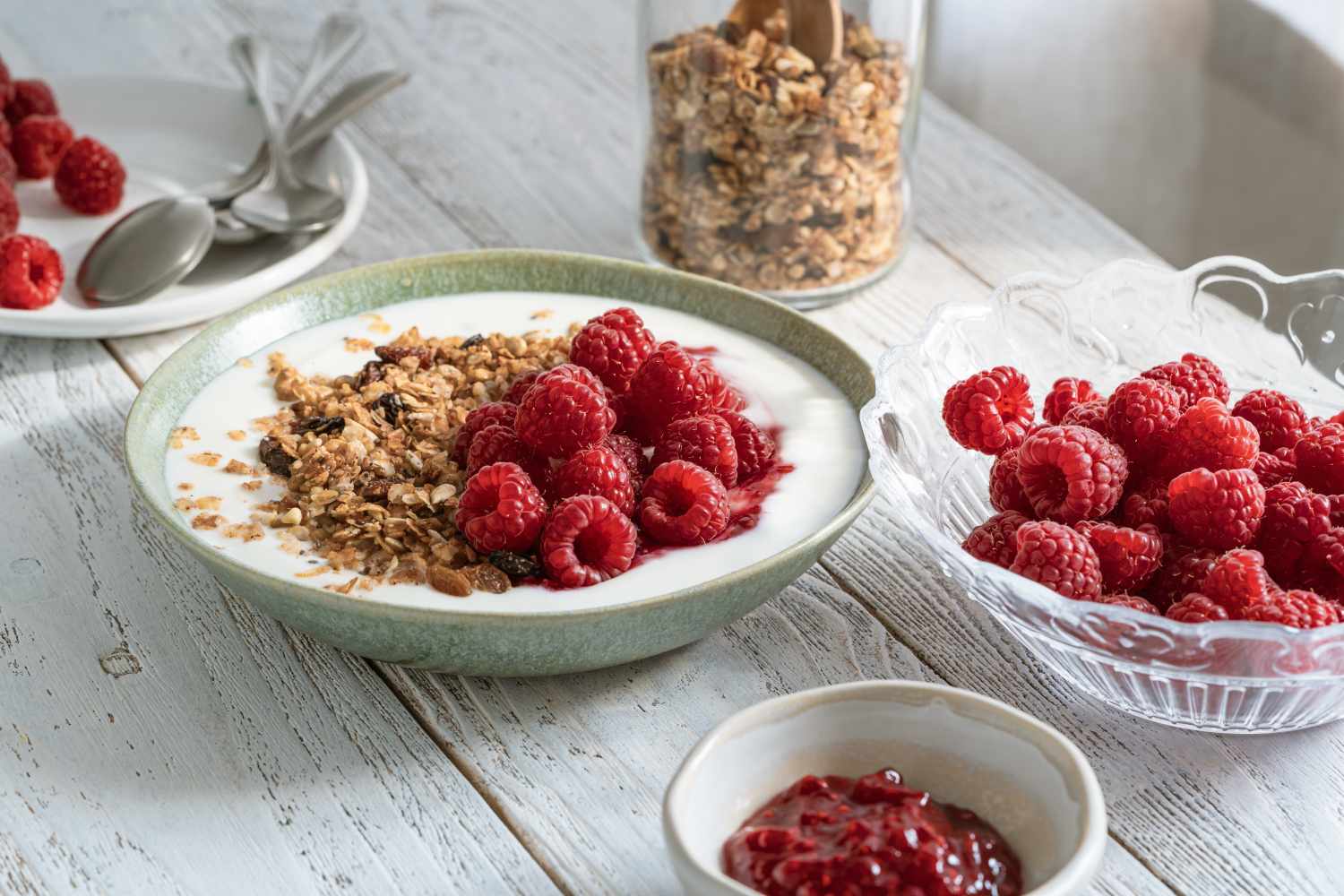
Protein often gets all the attention, but RDs emphasize that fiber and protein work better together. Barbara Ruhs, MS, RDN, notes that both contribute to fullness, just in different ways. Pairing fiber-rich foods with protein—like adding fruit to yogurt or blending fiber into a protein smoothie—can help close the fiber gap without changing the meal’s core structure.
Use Blended Dishes as a Fiber “Hiding Place”
Smoothies, soups, stews, and sauces are prime real estate for fiber because texture and flavor can be preserved. Sharp points out that puréed beans or lentils can thicken soups while boosting both fiber and protein, while finely chopped or blended vegetables keep the eating experience familiar.
Spread Fiber Across the Day Instead of Loading it Into One Meal
Trying to cram all your fiber into dinner is a recipe for digestive discomfort. Sharp encourages a “little and often” approach—adding fiber at meals and snacks alongside protein and healthy fats for better digestion and satiety. Ruhs echoes this strategy, suggesting aiming for fiber at every eating occasion rather than one mega-dose.
Turn Familiar Meals Into Fiber-Forward Formats
You don’t need new recipes—just new formats. Ruhs suggests reimagining meals you already love, like turning tacos into taco salads by building them over a base of crisp greens and vegetables. Same flavors, same satisfaction, more fiber built in.
Make Small, High-Impact Swaps
The most effective fiber upgrades often come from subtle ingredient changes. Think whole-grain bread instead of refined, or bean spreads in place of mayo. Ruhs notes that these swaps don’t require a full recipe overhaul but can noticeably boost your fiber intake.
Replace Some of the Meat—Not All of It
You don’t have to go fully plant-based to benefit. Cara Rosenbloom, RD, recommends replacing part of the meat in dishes like chili, tacos, or pasta sauce with beans or lentils. You’ll maintain flavor and satisfaction while increasing fiber in a way that feels seamless.
Let Seeds Do the Quiet Work
Seeds are one of the most underrated fiber strategies. Sharp highlights chia and ground flax as easy additions to yogurt, oatmeal, or salads that boost fiber without changing the taste much. Because the portions are small, they’re also easier on digestion.
Read Labels With a Fiber Lens
If convenience foods are in your regular rotation, label reading matters. Sharp suggests looking for meals with beans, lentils, whole grains, or vegetables near the top of the ingredient list, and aiming for about 3–5 grams of fiber per serving as a baseline. Rosenbloom agrees: comparing similar products can reveal easy fiber wins.
“Top” Convenience Foods Instead of Reinventing Them
You don’t have to cook from scratch to eat more fiber. Ruhs recommends adding simple toppers—like seeds, nuts, or extra vegetables—to prepared foods. Even pairing a frozen meal with a fiber-rich side can meaningfully increase your daily intake.
Leave the Peel on When You Can
Our experts emphasize that the peel is often the most fiber-rich part of fruits and vegetables. Sharp says that leaving skins on (when edible) is a quiet way to bump fiber without adding anything new to your plate. Think: apples, pears, kiwi, and potatoes.
Increase Fiber Slowly—and Hydrate as You Go
All three nutrition experts agree: slow and steady is key. Rosenbloom recommends increasing fiber by just 2–3 grams per day, while Sharp advises adding one new high-fiber food every few days. Hydration is essential, too, since fluids help fiber move through the digestive system and reduce discomfort. If bloating shows up, scale back slightly and reintroduce fiber more gradually.
Eating more fiber isn’t about chasing “superfoods” or overhauling your diet. According to the RDs, it’s about layering fiber into meals you already enjoy, spreading it throughout the day, and making small swaps that add up over time. The smartest strategies are often the simplest—and the most sustainable.