While the stated intent of the latest national dietary guidelines—to prioritize “gold standard” science—is laudable, the execution reveals a troubling disconnect between high-minded principles and the final report. In seeking to provide a roadmap for the nation’s health, the panel has inadvertently highlighted a profound vacuum of rigorous evidence, ultimately issuing recommendations that appear to exceed the reach of their own data.
The central tension lies in the panel’s own admission: the “gold standard” science required for definitive policy often does not exist. Throughout the report’s earlier chapters, the authors are transparent about the limitations of the current literature, noting that causal links between specific diets and health outcomes remain elusive. However, this transparency gives way to a paradoxical conclusion. Despite acknowledging that the science is inconclusive, the agencies have proceeded to issue firm dietary directives as if the evidence were settled.
By the time the report reaches its final chapters, the commitment to rigorous citation and the distinction between high-quality randomized controlled trials (RCTs) and lower-quality observational studies seems to evaporate. A chapter on “Special Considerations for Life Stages and Vegetarians & Vegans,” in particular, lacks the robust scholarly backing expected of a federal policy document. Significant portions of the text remain virtually citation-free, and the sections concerning vulnerable populations, such as pregnant and lactating women, rely on a startlingly thin volume of evidence.
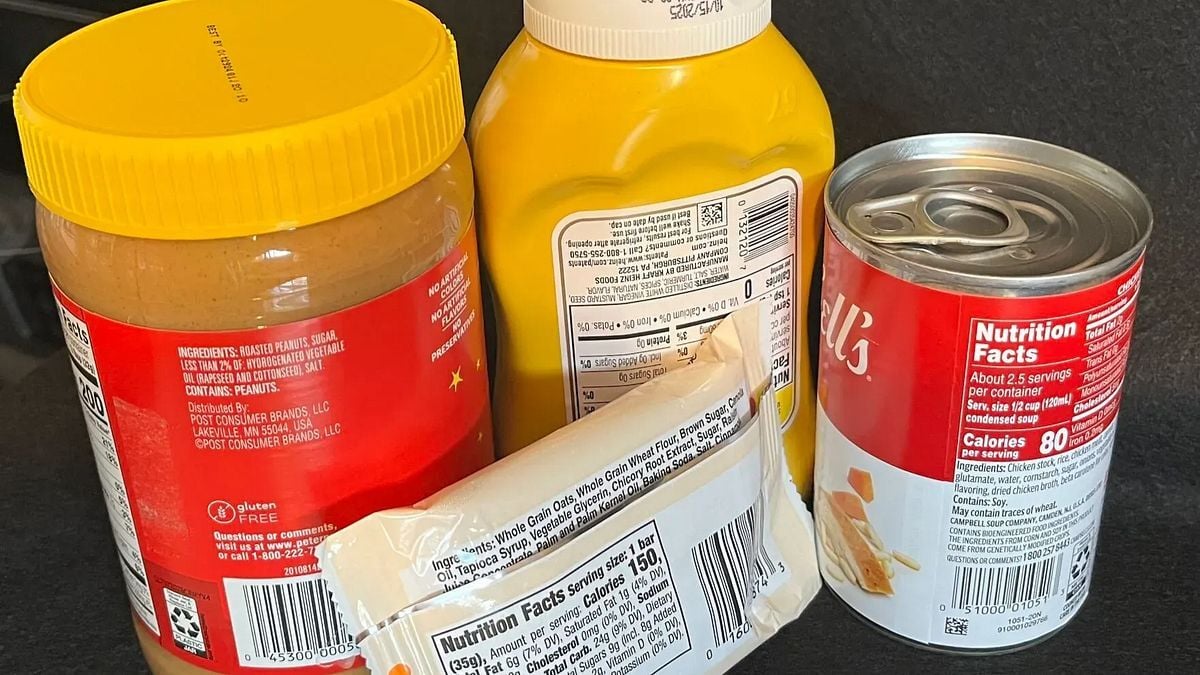
The section on ultra-processed foods serves as a primary example of this internal inconsistency. The authors candidly admit that the majority of evidence linking these foods to adverse health is derived from non-randomized, uncontrolled studies, which are notoriously susceptible to “healthy adherer bias” and confounding factors. Yet, after correctly identifying these scientific gaps, the report proceeds to make recommendations that ignore its own cautionary findings.
A similar lack of nuance is found in the discussion of carbohydrates. The report implies a fundamental metabolic difference between the starches in refined grains and whole grains that does not exist; while fiber may slow absorption, the body ultimately metabolizes both into glucose. By omitting this physiological reality, the guidelines risk misinforming the public on basic metabolic health.
– Advertisement –
Further, there are uncertain claims regarding how low- and no-calorie sweeteners (LNCS) should be avoided. In conceding the importance of gold standard science and controlled trials to make dietary recommendations, discarded trial data had previously indicated consistent benefits associated with LNCS on reduced energy intake, weight, and body fat.
The uncertain national guidelines also arrive a time when some states, like New York are seeking to author redundant and counterproductive measures that establish a “patchwork” of regulations. In instances like these, states lack the scientific resources of federal agencies like the FDA, making proposals more susceptible to political influence than rigorous toxicology. Confusing state-level bureaucracy is hard to justify when we’re trying to adequately set national standards to ensure consistency and transparency across the entire U.S. food supply chain.
The current administration has made it clear that policy decisions must be anchored in the highest caliber of scientific integrity. These dietary guidelines, unfortunately, remain a work in progress to meet that benchmark. The history of dietary policy is littered with the consequences of relying on low-quality science. It is perplexing that the USDA and HHS would acknowledge these historical errors in one breath, yet repeat the same methodology in the next.
One is left to wonder if the recommendations were predetermined, with the science subsequently curated to fit a specific narrative. To uphold the administration’s standard of excellence, federal guidance must be brave enough to admit when the science is not yet “gold,” rather than treating precarious data as an absolute truth.