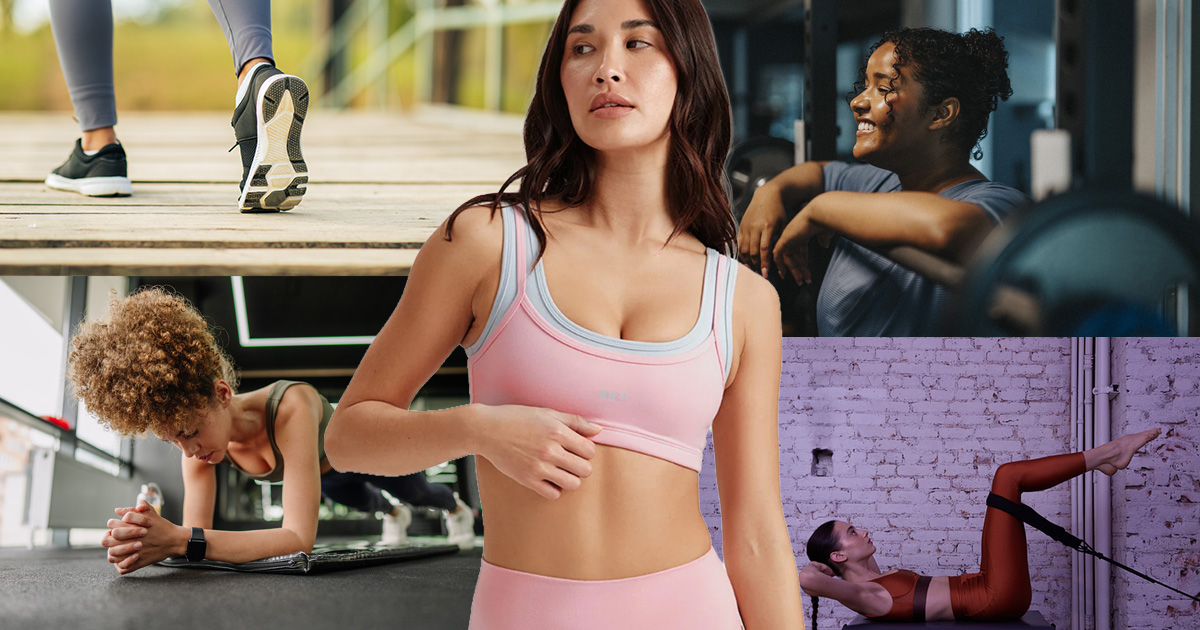
Like it or not, the Pilates craze is here to stay. According to the 2025 Look Back Report from ClassPass (which reviews the year’s top fitness and wellness trends), Pilates was the most-booked workout globally for the third year in a row, with a 66 percent increase since 2024. “Pilates has always resonated,” Heather Andersen, co-founder of New York Pilates, says when asked about the workout modality’s rise in popularity. “What’s changed is its accessibility and visibility.”
For years, joining the Pilates movement felt largely unattainable. In big cities like New York and L.A., it was the workout du jour for an exclusive girls’ club, with members ranging from celebs and socialites to the wealthy few. It didn’t hit mainstream status until the late 2000s, when studios like [solidcore], New York Pilates and Club Pilates redefined the group reformer class format. “We modernized the experience while staying true to the method’s integrity,” Andersen says. “That shift made Pilates culturally relevant. It felt elevated yet accessible.”
And now, with more people prioritizing consistency over intensity, we’re entering the era of the Pilates paradigm where, for many, the reformer is no longer just a niche tool but an essential part of their wellness blueprint. “I think it’s resonating because people are shifting their focus,” Elma Panagaki, yoga and Pilates instructor at Bay Club tells me. “It’s less about extreme workouts and more about longevity.”
Unlike other workout modalities that can leave you feeling depleted, “Pilates is not about burnout. It’s about durability,” Andersen explains. “It’s a system designed to support you for decades, which is why it fits so naturally into conversations around longevity and sustainable fitness. Pilates has been the training method for longevity long before longevity became a trend.”
Though social media may be responsible for the rise of the “Pilates princess” moniker, the staying power comes from real-life results. “Pilates builds long, lean strength while protecting the joints,” Andersen says. “People leave feeling stronger and more aligned. In a culture that is rethinking extremes and prioritizing sustainability, that approach resonates deeply.”