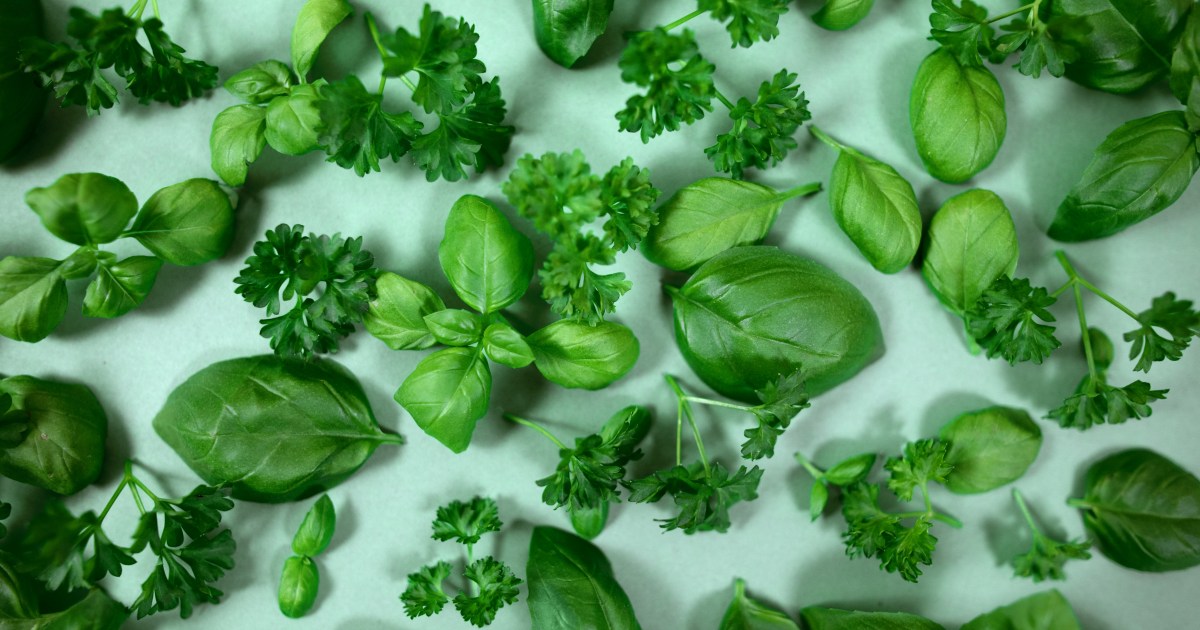
Fresh herbs are a staple for every seasoned chef, but these fragrant plants don’t only add flavor to meals. Many popular herbs also provide nutrients with impressive health benefits.
People have been using herbs for culinary and medicinal purposes for thousands of years.
An herb refers to the leaves of herbaceous plants, whereas spices come from roots, flowers, seeds or fruits. Fresh herbs are used in larger quantities, and they also come in dried, concentrated form.
Herbs are considered a healthier, more natural option to season foods, according to Natalie Rizzo, dietitian and TODAY nutrition editor. They’re a whole, unprocessed plant food, with little to no calories but a good dose of nutrients.
“Adding herbs to your dishes is one of the best ways to boost flavor without increasing salt,” Julie Stefanski, registered dietitian and spokesperson for the Academy of Nutrition & Dietetics, tells TODAY.com. And Americans consume far too much sodium.
Herbs can also take place for seasonings with additives like flavorings, sugars, oils and preservatives, Rizzo notes.
“No matter what savory dish you’re making, there is an herb that can stand in as a flavor enhancer,” says Stefanski.
What Are the Healthiest Herbs?
Herbs and the plants they come from contain vitamins, minerals, antioxidants and other plant compounds that benefit our health in different ways.
“Researchers know that many culinary herbs have antioxidants that may help protect against diseases that develop over time, such as cancer and heart disease,” Stefanski says.
Many herbs offer similar micronutrients to fresh vegetables, but because we eat them in smaller amounts, you may not get a huge quantity of these beneficial substances, Stefanski notes.
However, eating more fresh herbs is still an easy way to increase the nutritional value of your meals.
“The herbs that offer the most health benefits are the ones you actually eat,” says Stefanski.
Here are seven of the healthiest fresh herbs packed with flavor and nutrients to choose from. (Note: we’re talking about fresh, whole herbs — not herbal supplements, which can have drug-like effects and health risks.)
Parsley
Parsley is often ranked among one of healthiest herbs, says Stefanski.
It’s rich in vitamins A, C and K, which support healthy immune function, vision, skin, blood clotting and more. Research suggests parsley may help with muscle cramps and rashes.
Parsley is rich in beneficial anti-inflammatory compounds like flavonoids, Julia Zumpano, a registered dietitian with the Cleveland Clinic’s Center for Human Nutrition, tells TODAY.com
It has milder taste that lends itself to soups, pasta, salads — you can also press fresh parsley into juice for concentrated benefits.
Cilantro
Although it resembles parsley, cilantro is its own plant with a unique flavor and benefits.
Also called coriander, cilantro is rich in immune-supporting vitamins and potassium, an electrolyte that supports healthy blood pressure and muscle function. Cilantro also contains antioxidants like lutein, which help fight inflammation and protect brain heath, per the Cleveland Clinic.
Using cilantro adds a lot of flavor and brightness without any added sodium, Stefanski adds. That said, cilantro is divisive. Some people think it tastes like soap.
Enjoy cilantro in tacos, guacamole, curries and more.
Rosemary
Rosemary is a hearty, fragrant herb with plenty of health benefits.
Native to the Mediterranean region, rosemary is rich in antioxidants and phytochemicals, including rosmarinic and carnosic acid. These anti-inflammatory compounds can help repair cell damage that occurs as a part of aging, says Stefanski.
Eating rosemary may support digestion and brain health. There’s some evidence that the fragrant herb can boost alertness and relieve anxiety.
Rosemary leaves are commonly used for roasted meats and potatoes, or infused into oil.
Basil
Basil is another popular herb many people grew up eating, Stefanski says, and it comes in many varieties.
Basil is rich in vitamin K, which supports normal blood clotting and strong bones, the experts note.
This versatile herb is packed with antioxidants, says Zumpano. Research suggests basil may have positive effects on blood sugar and pressure, circulation and cognition, per the Cleveland Clinic.
One of the best ways to reap the benefits of fresh herbs is to eat a large amount of them, says Stefanski. That’s easy to do with basil, which can be blended into pesto, layered into caprese salad, and used to garnish pizza or soup.
Sage
Sage is a complex, aromatic herb that’s packed with nutrients. These include vitamin K, which regulates calcium and supports heart and bone health, and some iron and zinc.
It’s best known for its antioxidant content. Sage is rich in polyphenols, which help combat oxidative stress caused by harmful molecules called free radicals, the experts note.
Research suggests eating sage has a beneficial effect on cognition and may show promise in the treatment of Alzheimer’s.
Use sage to season meats and stuffings or fried into a crispy topping for pasta.
Oregano
Oregano is another potent herb to incorporate into a healthy diet. Widely used in Mediterranean cuisines, oregano may have antimicrobial and antiviral properties, per the Cleveland Clinic.
Oregano is rich in flavones, a type of plant pigment with anti-inflammatory compounds, Stefanski adds. It’s also rich in other types of antioxidants that may lower the risk of chronic diseases, including cancer, Zumpano explains.
Unlike the other herbs on this list, it may be harder to find fresh oregano, but the dried form still has benefits, Stefanski adds.
Use oregano on roasted vegetables, salads and, of course, pizza.
Mint
Mint is easy to grow, smells incredible and is rich in nutrients. Spearmint and peppermint are popular varieties, known for their fresh, cooling flavor.
Fresh mint will provide a decent amount of vitamins, minerals and antioxidants. It’s well-recognized for its oral and digestive benefits, including alleviating nausea, relieving cramps and fighting bad breath. Chewing on mint leaves may improve alertness and temporarily relieve congestion.
Peppermint is especially rich in flavonoids and may have some antibacterial and anti-fungal properties, the experts note.
“Mint can be added to give fruit dishes or other desserts an extra layer of flavor,” says Stefanski.
Thyme
Fresh thyme is loaded with vitamins, including A and C, which act as potent antioxidants, and B vitamins that support a healthy metabolism and brain function.
Thyme also provides some fiber, and it’s rich in beneficial pant compounds like flavonoids, says Zumpano. These have anti-inflammatory effects which can protect cells from damage, Stefanski adds. It bring an earthy flavor to soups, stews and roasted vegetables.
Other fragrant and nutritious herbs include dill, chives, sorrel, chervil, tarragon, lemongrass and lavender.
“Herbs can lose their flavor and certain plant compounds can deteriorate over time,” Stefaski adds. Make sure to store fresh herbs properly (in a jar of water, covered, in the refrigerator) and check the expiration dates on dried herbs.
If you have a garden or outdoor space, trying growing herbs at home. “Early spring is the perfect time of year to think about what herbs you could plant to add flavor and health to your food,” says Stefanski.