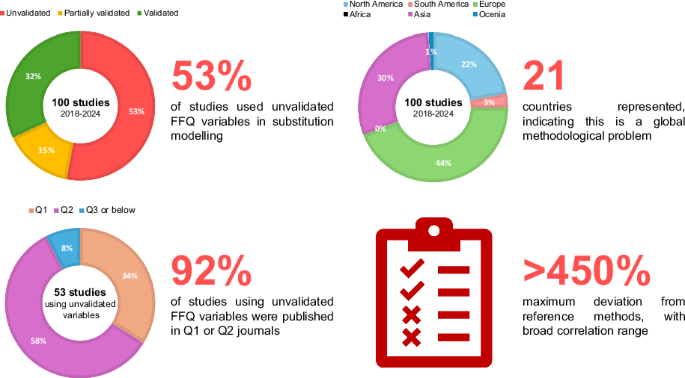
Sarker J. Ethical issues of randomized controlled trials. Bangladesh J Bioeth. 2014;5:1–4.
Heileson JL. Dietary saturated fat and heart disease: a narrative review. Nutr Rev. 2019;78:474–85. https://doi.org/10.1093/nutrit/nuz091.
Colli A, Pagliaro L, Duca P. The ethical problem of randomization. Intern Emerg Med. 2014;9:799–804. https://doi.org/10.1007/s11739-014-1118-z.
Solomon P, Cavanaugh MM, Draine J, Solomon P, Cavanaugh MM, Draine J. 19 Ethical considerations of randomized controlled trials. In: Randomized controlled trials: design and implementation for community-based psychosocial interventions. Oxford: Oxford University Press: 2009.
Rucker RB, Rucker MR. Nutrition: ethical issues and challenges. Nutr Res. 2016;36:1183–92. https://doi.org/10.1016/j.nutres.2016.10.006.
Hébert JR, Frongillo EA, Adams SA, Turner-McGrievy GM, Hurley TG, Miller DR, et al. Perspective: randomized controlled trials are not a panacea for diet-related research. Adv Nutr. 2016;7:423–32. https://doi.org/10.3945/an.115.011023.
National Cancer Institute. Dietary Assessment Primer: Food Frequency Questionnaire at a Glance. https://dietassessmentprimer.cancer.gov/profiles/questionnaire/ (accessed 11 Jan 2026).
MRC Epidemiology Unit. Measurement Toolkit. Food frequency questionnaires. 2024. https://www.measurement-toolkit.org/diet/subjective-methods/food-frequency-questionnaire (accessed 11 Jan 2026).
Tomova GD, Gilthorpe MS, Tennant PWG. Theory and performance of substitution models for estimating relative causal effects in nutritional epidemiology. Am J Clin Nutr. 2022;116:1379–88. https://doi.org/10.1093/ajcn/nqac188.
Song M, Giovannucci E. Substitution analysis in nutritional epidemiology: proceed with caution. Eur J Epidemiol. 2018;33:137–40. https://doi.org/10.1007/s10654-018-0371-2.
Bailey RL. Overview of dietary assessment methods for measuring intakes of foods, beverages, and dietary supplements in research studies. Curr Opin Biotechnol 2021; 70: 91–96. https://doi.org/10.1016/j.copbio.2021.02.007
Ibsen DB, Laursen ASD, Würtz AML, Dahm CC, Rimm EB, Parner ET, et al. Food substitution models for nutritional epidemiology. Am J Clin Nutr. 2021;113:294–303. https://doi.org/10.1093/ajcn/nqaa315.
Signorello LB, Munro HM, Buchowski MS, Schlundt DG, Cohen SS, Hargreaves MK, et al. Estimating nutrient intake from a food frequency questionnaire: incorporating the elements of race and geographic region. Am J Epidemiol. 2009;170:104–11. https://doi.org/10.1093/aje/kwp098.
Subar AF, Freedman LS, Tooze JA, Kirkpatrick SI, Boushey C, Neuhouser ML, et al. Addressing current criticism regarding the value of self-report dietary data. J Nutr. 2015;145:2639–45. https://doi.org/10.3945/jn.115.219634.
Kristal AR, Peters U, Potter JD. Is it time to abandon the food frequency questionnaire? Cancer Epidemiol Biomark Prev. 2005;14:2826–8. https://doi.org/10.1158/1055-9965.Epi-12-ed1.
Archer E, Marlow ML, Lavie CJ. Controversy and debate: Memory-Based Methods Paper 1: The Fatal Flaws of Food Frequency Questionnaires and Other Memory-Based Dietary Assessment Methods. J Clin Epidemiol. 2018;104:113–24. https://doi.org/10.1016/j.jclinepi.2018.08.003.
Brown D. Do food frequency questionnaires have too many limitations? J Am Dietetic Assoc. 2006;106:1541–2. https://doi.org/10.1016/j.jada.2006.07.020.
Fraser GE, Shavlik DJ. Correlations between estimated and true dietary intakes. Ann Epidemiol. 2004;14:287–95. https://doi.org/10.1016/j.annepidem.2003.08.008.
Innes GK, Bhondoekhan F, Lau B, Gross AL, Ng DK, Abraham AG. The measurement error elephant in the room: challenges and solutions to measurement error in epidemiology. Epidemiol Rev. 2022;43:94–105. https://doi.org/10.1093/epirev/mxab011.
Aghayan M, Asghari G, Yuzbashian E, Dehghan P, Khadem Haghighian H, Mirmiran P, et al. Association of nuts and unhealthy snacks with subclinical atherosclerosis among children and adolescents with overweight and obesity. Nutr Metab. 2019;16:23 https://doi.org/10.1186/s12986-019-0350-y.
Ahola AJ, Forsblom C, Groop PH. Association between depressive symptoms and dietary intake in patients with type 1 diabetes. Diabetes Res Clin Pract. 2018;139:91–99. https://doi.org/10.1016/j.diabres.2018.02.018.
Alferink LJ, Kiefte-de Jong JC, Erler NS, Veldt BJ, Schoufour JD, de Knegt RJ, et al. Association of dietary macronutrient composition and non-alcoholic fatty liver disease in an ageing population: the Rotterdam Study. Gut. 2019;68:1088–98. https://doi.org/10.1136/gutjnl-2017-315940.
Amirkalali B, Khoonsari M, Sohrabi MR, Ajdarkosh H, Motamed N, Maadi M, et al. Relationship between dietary macronutrient composition and non-alcoholic fatty liver disease in lean and non-lean populations: a cross-sectional study. Public Health Nutr. 2021;24:6178–90. https://doi.org/10.1017/s1368980021001762.
Anderson C, Mark Park YM, Stanczyk FZ, Sandler DP, Nichols HB. Dietary factors and serum antimullerian hormone concentrations in late premenopausal women. Fertil Steril. 2018;110:1145–53. https://doi.org/10.1016/j.fertnstert.2018.06.037.
Arnesen EK, Laake I, Veierod MB, Retterstol K. Saturated fatty acids and total and CVD mortality in Norway: a prospective cohort study with up to 45 years of follow-up. Br J Nutr. 2024;132:466–78. https://doi.org/10.1017/S0007114524001351.
Beulen Y, Martínez-González MA, van de Rest O, Salas-Salvadó J, Sorlí JV, Gómez-Gracia E, et al. Quality of dietary fat intake and body weight and obesity in a mediterranean population: secondary analyses within the PREDIMED trial. Nutrients. 2018;10:2011 https://doi.org/10.3390/nu10122011.
Bratveit M, Van Parys A, Olsen T, Strand E, Marienborg I, Laupsa-Borge J, et al. Association between dietary macronutrient composition and plasma one-carbon metabolites and B-vitamin cofactors in patients with stable angina pectoris. Br J Nutr. 2024;131:1678–90. https://doi.org/10.1017/S0007114524000473.
Budhathoki S, Sawada N, Iwasaki M, Yamaji T, Goto A, Kotemori A, et al. Association of animal and plant protein intake with all-cause and cause-specific mortality in a Japanese cohort. JAMA Intern Med. 2019;179:1509–18. https://doi.org/10.1001/jamainternmed.2019.2806.
Buso MEC, Brouwer-Brolsma EM, Naomi ND, Harrold JA, Halford JCG, Raben A, et al. Dose-response and substitution analyzes of sweet beverage consumption and body weight in Dutch adults: the Lifelines cohort study. Front Nutr. 2022;9:889042. https://doi.org/10.3389/fnut.2022.889042.
Buso MEC, Brouwer-Brolsma EM, Naomi ND, Ngo J, Soedamah-Muthu SS, Mavrogianni C, et al. Sugar and low/no-calorie-sweetened beverage consumption and associations with body weight and waist circumference changes in five European cohort studies: the SWEET project. Eur J Nutr. 2023;62:2905–18. https://doi.org/10.1007/s00394-023-03192-y.
Chiu TH, Lin MN, Pan WH, Chen YC, Lin CL. Vegetarian diet, food substitution, and nonalcoholic fatty liver. Tzu Chi Med J. 2018;30:102–9. https://doi.org/10.4103/tcmj.tcmj_109_17.
Chung S, Hwang JT, Joung H, Shin S. Associations of meat and fish/seafood intake with all-cause and cause-specific mortality from three prospective cohort studies in Korea. Mol Nutr Food Res. 2023;67:e2200900 https://doi.org/10.1002/mnfr.202200900.
Dennis KK, Wang F, Li Y, Manson JE, Rimm EB, Hu FB, et al. Associations of dietary sugar types with coronary heart disease risk: a prospective cohort study. Am J Clin Nutr. 2023;118:1005–9. https://doi.org/10.1016/j.ajcnut.2023.08.019.
Dierssen-Sotos T, Gómez-Acebo I, Palazuelos C, Gracia-Lavedan E, Pérez-Gómez B, Oribe M, et al. Fatty acid intake and breast cancer in the Spanish multicase–control study on cancer (MCC-Spain). Eur J Nutr. 2020;59:1171–9. https://doi.org/10.1007/s00394-019-01977-8.
Dominguez LJ, Bes-Rastrollo M, Basterra-Gortari FJ, Gea A, Barbagallo M, Martinez-Gonzalez MA. Should we recommend reductions in saturated fat intake or in red/processed meat consumption? The SUN prospective cohort study. Clin Nutr. 2018;37:1389–98. https://doi.org/10.1016/j.clnu.2017.06.013.
Du S, Kim H, Crews DC, White K, Rebholz CM. Association between ultraprocessed food consumption and risk of incident CKD: a prospective cohort study. Am J Kidney Dis. 2022;80:589–598.e581. https://doi.org/10.1053/j.ajkd.2022.03.016.
Esfandiar Z, Hosseini-Esfahani F, Mirmiran P, Azizi F. The association of dietary macronutrient composition with the incidence of type 2 diabetes, using iso-energetic substitution models: Tehran Lipid and Glucose Study. Prim Care Diabetes. 2021;15:1080–5. https://doi.org/10.1016/j.pcd.2021.09.006.
Fan Y, Li Z, Shi J, Liu S, Li L, Ding L, et al. The association between prepregnancy dietary fatty acids and risk of gestational diabetes mellitus: a prospective cohort study. Clin Nutr. 2024;43:484–93. https://doi.org/10.1016/j.clnu.2023.12.022.
Ferreira NV, Gomes Gonçalves N, Khandpur N, Steele EM, Levy RB, Monteiro C, et al. Higher ultraprocessed food consumption is associated with depression persistence and a higher risk of depression incidence in the Brazilian Longitudinal Study of Adult Health. J Acad Nutr Diet. 2024;18:18 https://doi.org/10.1016/j.jand.2024.10.012.
Forootani B, Sasanfar B, Salehi-Abargouei A, Mirzaei M. The association between plant and animal protein intake with depression, anxiety, and stress. Nutr Neurosci 2024;28:370–383. https://doi.org/10.1080/1028415X.2024.2372194
Gaeini Z, Mirmiran P, Bahadoran Z, Aghayan M, Azizi F. The association between dietary fats and the incidence risk of cardiovascular outcomes: Tehran Lipid and Glucose Study. Nutr Metab. 2021;18:96 https://doi.org/10.1186/s12986-021-00624-6.
Guasch-Ferré M, Li Y, Willett WC, Sun Q, Sampson L, Salas-Salvadó J, et al. Consumption of olive oil and risk of total and cause-specific mortality among U.S. adults. J Am Coll Cardiol. 2022;79:101–12. https://doi.org/10.1016/j.jacc.2021.10.041.
Guasch-Ferré M, Liu G, Li Y, Sampson L, Manson JE, Salas-Salvadó J, et al. Olive oil consumption and cardiovascular risk in U.S. adults. J Am Coll Cardiol. 2020;75:1729–39. https://doi.org/10.1016/j.jacc.2020.02.036.
Hansen MD, Würtz AML, Hansen CP, Tjønneland A, Rimm EB, Johnsen SP, et al. Substitutions between potatoes and other vegetables and the risk of ischemic stroke. Eur J Nutr. 2021;60:229–37. https://doi.org/10.1007/s00394-020-02237-w.
Hantikainen E, Roos E, Bellocco R, D’Antonio A, Grotta A, Adami HO, et al. Dietary fat intake and risk of Parkinson’s disease: results from the Swedish National March Cohort. Eur J Epidemiol. 2022;37:603–13. https://doi.org/10.1007/s10654-022-00863-8.
Harris CP, von Berg A, Berdel D, Bauer C-P, Schikowski T, Koletzko S, et al. Association of dietary fatty acids with blood lipids is modified by physical activity in adolescents: results from the GINIplus and Lisa birth cohort studies. Nutrients. 2018;10:1372 https://doi.org/10.3390/nu10101372.
Haugsgjerd TR, Egeland GM, Nygård OK, Igland J, Sulo G, Lysne V, et al. Intake of carbohydrates and SFA and risk of CHD in middle-aged adults: the Hordaland Health Study (HUSK). Public Health Nutr. 2022;25:634–48. https://doi.org/10.1017/s1368980020003043.
Hosseini-Esfahani F, Koochakpoor G, Mirmiran P, Ebrahimof S, Azizi F. The association of dietary macronutrients with anthropometric changes, using iso-energetic substitution models: Tehran lipid and glucose study. Nutr Metab. 2019;16:83 https://doi.org/10.1186/s12986-019-0411-2.
Hosseini-Esfahani F, Koochakpoor G, Tahmasebinejad Z, Khalili D, Mirmiran P, Azizi F. The association of dietary macronutrient composition with the incidence of cardiovascular disease, using iso-energetic substitution models: Tehran lipid and glucose study. Nutr Metab Cardiovasc Dis. 2020;30:2186–93. https://doi.org/10.1016/j.numecd.2020.07.017.
Huang J, Liao LM, Weinstein SJ, Sinha R, Graubard BI, Albanes D. Association between plant and animal protein intake and overall and cause-specific mortality. JAMA Intern Med. 2020;180:1173–84. https://doi.org/10.1001/jamainternmed.2020.2790.
Ibsen DB, Overvad K, Laursen ASD, Halkjær J, Tjønneland A, Kilpeläinen TO, et al. Changes in intake of dairy product subgroups and risk of type 2 diabetes: modelling specified food substitutions in the Danish Diet, Cancer and Health cohort. Eur J Nutr. 2021;60:3449–59. https://doi.org/10.1007/s00394-021-02524-0.
Ibsen DB, Warberg CK, Würtz AML, Overvad K, Dahm CC. Substitution of red meat with poultry or fish and risk of type 2 diabetes: a Danish cohort study. Eur J Nutr. 2019;58:2705–12. https://doi.org/10.1007/s00394-018-1820-0.
Inan-Eroglu E, Kuxhaus O, Jannasch F, Nickel DV, Schulze MB. Association between protein intake and diabetes complications risk following incident type 2 diabetes: the EPIC-Potsdam study. Metabolites. 2024;14:19 https://doi.org/10.3390/metabo14030172.
Jahromi MK, Ahmadirad H, Farhadnejad H, Norouzzadeh M, Mokhtari E, Teymoori F, et al. High-protein diet scores, macronutrient substitution, and breast cancer risk: insights from substitution analysis. BMC Women’s Health. 2024;24:121 https://doi.org/10.1186/s12905-024-02959-7.
Jiang YW, Sheng LT, Pan XF, Feng L, Yuan JM, Pan A, et al. Meat consumption in midlife and risk of cognitive impairment in old age: the Singapore Chinese Health Study. Eur J Nutr. 2020b;59:1729–38. https://doi.org/10.1007/s00394-019-02031-3.
Jiang YW, Sheng LT, Pan XF, Feng L, Yuan JM, Pan A, et al. Midlife dietary intakes of monounsaturated acids, n-6 polyunsaturated acids, and plant-based fat are inversely associated with risk of cognitive impairment in older Singapore Chinese adults. J Nutr. 2020a;150:901–9. https://doi.org/10.1093/jn/nxz325.
Korat AVA, Li Y, Sacks F, Rosner B, Willett WC, Hu FB, et al. Dairy fat intake and risk of type 2 diabetes in 3 cohorts of US men and women. Am J Clin Nutr. 2019;110:1192–1200. https://doi.org/10.1093/ajcn/nqz176.
Kouvari M, Tsiampalis T, Kosti RI, Damigou E, Chrysohoou C, Anastasiou G, et al. The prolonged impact of swapping non-fermented with fermented dairy products on cardiovascular disease: the ATTICA cohort study (2002-2022). Eur J Clin Nutr. 2024;20:20 https://doi.org/10.1038/s41430-024-01543-4.
Kvist K, Laursen ASD, Overvad K, Jakobsen MU. Substitution of milk with whole-fat yogurt products or cheese is associated with a lower risk of myocardial infarction: the Danish Diet, Cancer and Health Cohort. J Nutr. 2020;150:1252–8. https://doi.org/10.1093/jn/nxz337.
Lasota AN, Grønholdt M-LM, Bork CS, Lundbye-Christensen S, Schmidt EB, Overvad K. Substitution of poultry and red meat with fish and the risk of peripheral arterial disease: a Danish cohort study. Eur J Nutr. 2019;58:2731–9. https://doi.org/10.1007/s00394-018-1822-y.
Laursen ASD, Dahm CC, Johnsen SP, Tjønneland A, Overvad K, Jakobsen MU. Substitutions of dairy product intake and risk of stroke: a Danish cohort study. Eur J Epidemiol. 2018;33:201–12. https://doi.org/10.1007/s10654-017-0271-x.
Laursen ASD, Sluijs I, Boer JMA, Verschuren WMM, van der Schouw YT, Jakobsen MU. Substitutions between dairy products and risk of stroke: results from the European Investigation into Cancer and Nutrition-Netherlands (EPIC-NL) cohort. Br J Nutr. 2019;121:1398–404. https://doi.org/10.1017/s0007114519000564.
Laursen ASD, Thomsen AL, Beck A, Overvad K, Jakobsen MU. Theoretical substitutions between dairy products and all-cause and cause-specific mortality. results from the Danish diet, cancer and health cohort. Br J Nutr. 2022;127:1557–66. https://doi.org/10.1017/s0007114521002464.
Lee DH, Tabung FK, Giovannucci EL. Association of animal and plant protein intakes with biomarkers of insulin and insulin-like growth factor axis. Clin Nutr. 2022;41:1272–80. https://doi.org/10.1016/j.clnu.2022.04.003.
Lee YQ, Chia A, Whitton C, Cameron-Smith D, Sim X, van Dam RM, et al. Isocaloric substitution of plant-based protein for animal-based protein and cardiometabolic risk factors in a multiethnic asian population. J Nutr. 2023;153:1555–66. https://doi.org/10.1016/j.tjnut.2023.03.024.
Liao LM, Loftfield E, Etemadi A, Graubard BI, Sinha R. Substitution of dietary protein sources in relation to colorectal cancer risk in the NIH-AARP cohort study. Cancer Causes Control. 2019;30:1127–35. https://doi.org/10.1007/s10552-019-01210-1.
Lim CGY, Whitton C, Rebello SA, van Dam RM. Diet quality and lower refined grain consumption are associated with less weight gain in a multi-ethnic asian adult population. J Nutr. 2021;151:2372–82. https://doi.org/10.1093/jn/nxab110.
Lin PD, Cardenas A, Rifas-Shiman SL, Hivert MF, James-Todd T, Amarasiriwardena C, et al. Diet and erythrocyte metal concentrations in early pregnancy-cross-sectional analysis in Project Viva. Am J Clin Nutr. 2021;114:540–9. https://doi.org/10.1093/ajcn/nqab088.
Liu S, van der Schouw YT, Soedamah-Muthu SS, Spijkerman AMW, Sluijs I. Intake of dietary saturated fatty acids and risk of type 2 diabetes in the European Prospective Investigation into Cancer and Nutrition-Netherlands cohort: associations by types, sources of fatty acids and substitution by macronutrients. Eur J Nutr. 2019;58:1125–36. https://doi.org/10.1007/s00394-018-1630-4.
Lo JJ, Park YM, Sinha R, Sandler DP. Association between meat consumption and risk of breast cancer: findings from the Sister Study. Int J Cancer. 2020;146:2156–65. https://doi.org/10.1002/ijc.32547.
Luan D, Wang D, Campos H, Baylin A. Red meat consumption and metabolic syndrome in the Costa Rica Heart Study. Eur J Nutr. 2020;59:185–93. https://doi.org/10.1007/s00394-019-01898-6.
Lyskjaer L, Overvad K, Tjonneland A, Dahm CC. Substitutions of oatmeal and breakfast food alternatives and the rate of stroke. Stroke. 2020;51:75–81. https://doi.org/10.1161/STROKEAHA.119.024977.
MacDonald CJ, Madkia AL, Mounier-Vehier C, Severi G, Boutron-Ruault MC. Associations between saturated fat intake and other dietary macronutrients and incident hypertension in a prospective study of French women. Eur J Nutr. 2023;62:1207–15. https://doi.org/10.1007/s00394-022-03053-0.
Maukonen M, Harald K, Kaartinen NE, Tapanainen H, Albanes D, Eriksson J, et al. Partial substitution of red or processed meat with plant-based foods and the risk of type 2 diabetes. Sci Rep. 2023;13:5874. https://doi.org/10.1038/s41598-023-32859-z.
Melaku YA, Reynolds AC, Gill TK, Appleton S, Adams R. Association between macronutrient intake and excessive daytime sleepiness: an iso-caloric substitution analysis from the North West Adelaide Health Study. Nutrients. 2019;11:2374 https://doi.org/10.3390/nu11102374.
Mirmiran P, Yuzbashian E, Aghayan M, Mahdavi M, Asghari G, Azizi F. A prospective study of dietary meat intake and risk of incident chronic kidney disease. J Ren Nutr. 2020;30:111–8. https://doi.org/10.1053/j.jrn.2019.06.008.
Morisaki N, Nagata C, Yasuo S, Morokuma S, Kato K, Sanefuji M, et al. Optimal protein intake during pregnancy for reducing the risk of fetal growth restriction: the Japan Environment and Children’s Study. Br J Nutr. 2018;120:1432–40. https://doi.org/10.1017/S000711451800291X.
Moslehi N, Kamali Z, Mirmiran P, Barzin M, Khalaj A. Association of postoperative dietary macronutrient content and quality with total weight loss and fat-free mass loss at midterm after sleeve gastrectomy. Nutrition. 2024;120:112331. https://doi.org/10.1016/j.nut.2023.112331.
Naomi ND, Brouwer-Brolsma EM, Buso MEC, Soedamah-Muthu SS, Harrold JA, Halford JCG, et al. Association of sweetened beverages consumption with all-cause mortality risk among Dutch adults: the Lifelines Cohort Study (the SWEET project). Eur J Nutr. 2023;62:797–806. https://doi.org/10.1007/s00394-022-03023-6.
Nassan FL, Chiu YH, Vanegas JC, Gaskins AJ, Williams PL, Ford JB, et al. Intake of protein-rich foods in relation to outcomes of infertility treatment with assisted reproductive technologies. Am J Clin Nutr. 2018;108:1104–12. https://doi.org/10.1093/ajcn/nqy185.
Nielsen TB, Würtz AML, Tjønneland A, Overvad K, Dahm CC. Substitution of unprocessed and processed red meat with poultry or fish and total and cause-specific mortality. Br J Nutr. 2022;127:563–9. https://doi.org/10.1017/s0007114521001252.
Okuda M, Sasaki S. Dietary amino acid composition and glycemic biomarkers in Japanese adolescents. Nutrients. 2024;16:19 https://doi.org/10.3390/nu16060882.
Oosterwijk MM, Soedamah-Muthu SS, Geleijnse JM, Bakker SJL, Navis G, Binnenmars SH, et al. High dietary intake of vegetable protein is associated with lower prevalence of renal function impairment: results of the Dutch DIALECT-1 cohort. Kidney Int Rep. 2019;4:710–9. https://doi.org/10.1016/j.ekir.2019.02.009.
Ortega N, Carmeli C, Efthimiou O, Beer JH, Gunten AV, Preisig M, et al. Effect of dairy consumption on cognition in older adults: a population-based cohort study. J Nutr Health Aging. 2024;28:100031. https://doi.org/10.1016/j.jnha.2023.100031.
Pertiwi K, Wanders AJ, Harbers MC, Küpers LK, Soedamah-Muthu SS, de Goede J, et al. Plasma and dietary linoleic acid and 3-year risk of type 2 diabetes after myocardial infarction: a prospective analysis in the Alpha Omega cohort. Diabetes Care. 2020;43:358–65. https://doi.org/10.2337/dc19-1483.
Pokharel P, Olsen A, Kyro C, Tjonneland A, Murray K, Blekkenhorst LC, et al. Substituting potatoes with other food groups and type 2 diabetes risk: findings from the diet, cancer, and health study. J Nutr. 2025;155:270–9. https://doi.org/10.1016/j.tjnut.2024.10.040.
Rivera-Paredez B, León-Reyes G, Rangel-Marín D, Salmerón J, Velázquez-Cruz R. Associations between macronutrient intake and bone mineral density: a longitudinal analysis of the health workers cohort study participants. J Nutr Health Aging. 2023;27:1196–205. https://doi.org/10.1007/s12603-023-2038-2.
Santiago S, Zazpe I, Gea A, Núñez-Córdoba JM, Carlos S, Bes-Rastrollo M, et al. Fat quality index and risk of cardiovascular disease in the Sun Project. J Nutr Health Aging. 2018;22:526–33. https://doi.org/10.1007/s12603-018-1003-y.
Sasanfar B, Toorang F, Zendehdel K, Salehi-Abargouei A. Substitution of dietary macronutrients and their sources in association with breast cancer: results from a large-scale case–control study. Eur J Nutr. 2022;61:2687–95. https://doi.org/10.1007/s00394-022-02811-4.
Scheffers FR, Boer JM, Wijga AH, van der Schouw YT, Smit HA, Verschuren WM. Substitution of pure fruit juice for fruit and sugar-sweetened beverages and cardiometabolic risk in European Prospective Investigation into Cancer and Nutrition (EPIC)-NL: a prospective cohort study. Public Health Nutr. 2022;25:1504–14. https://doi.org/10.1017/s1368980021000914.
Schmid D, Song M, Zhang X, Willett WC, Vaidya R, Giovannucci EL, et al. Yogurt consumption in relation to mortality from cardiovascular disease, cancer, and all causes: a prospective investigation in 2 cohorts of US women and men. Am J Clin Nutr. 2020;111:689–97. https://doi.org/10.1093/ajcn/nqz345.
Seah JYH, Koh WP, Yuan JM, van Dam RM. Rice intake and risk of type 2 diabetes: the Singapore Chinese Health study. Eur J Nutr. 2019;58:3349–60. https://doi.org/10.1007/s00394-018-1879-7.
Slurink IAL, den Braver NR, Rutters F, Kupper N, Smeets T, Elders PJM, et al. Dairy product consumption and incident prediabetes in Dutch middle-aged adults: the Hoorn Studies prospective cohort. Eur J Nutr. 2022;61:183–96. https://doi.org/10.1007/s00394-021-02626-9.
Stuber JM, Vissers LET, Verschuren WMM, Boer JMA, van der Schouw YT, Sluijs I. Substitution among milk and yogurt products and the risk of incident type 2 diabetes in the EPIC-NL cohort. J Hum Nutr Diet. 2021;34:54–63. https://doi.org/10.1111/jhn.12767.
Su Y, Cochrane BB, Reding K, Herting JR, Tinker LF, Zaslavsky O. Mediterranean diet and fatigue among community-dwelling postmenopausal women. J Nutr Gerontol Geriatr. 2022;41:22–45. https://doi.org/10.1080/21551197.2022.2025972.
Sun C, Zhang WS, Jiang CQ, Jin YL, Deng XQ, Thomas GN, et al. Cereal intake and mortality in older Chinese: a 15-year follow-up of a prospective cohort study. Eur J Nutr. 2023;62:1239–51. https://doi.org/10.1007/s00394-022-03067-8.
Tessier AJ, Cortese M, Yuan C, Bjornevik K, Ascherio A, Wang DD, et al. Consumption of olive oil and diet quality and risk of dementia-related death. JAMA Netw. 2024;7:e2410021 https://doi.org/10.1001/jamanetworkopen.2024.10021.
Thao U, Lajous M, Laouali N, Severi G, Boutron-Ruault M-C, MacDonald CJ. Relative to processed red meat, alternative protein sources are associated with a lower risk of hypertension and diabetes in a prospective cohort of French women. Br J Nutr. 2023;129:1964–75. https://doi.org/10.1017/S0007114522002689.
Tooze JA, The NS, Crandell JL, Couch SC, Mayer-Davis EJ, Koebnick C, et al. An approach for examining the impact of food group-based sources of nutrients on outcomes with application to PUFAs and LDL in youth with type 1 diabetes. Nutrients. 2020;12:941 https://doi.org/10.3390/nu12040941.
van Eekelen E, Beulens JWJ, Geelen A, Schrauwen-Hinderling VB, Lamb H, de Roos A, et al. Consumption of alcoholic and sugar-sweetened beverages is associated with increased liver fat content in middle-aged men and women. J Nutr. 2019;149:649–58. https://doi.org/10.1093/jn/nxy313.
Venø SK, Bork CS, Jakobsen MU, Lundbye-Christensen S, Bach FW, McLennan PL, et al. Substitution of fish for red meat or poultry and risk of ischemic stroke. Nutrients. 2018;10:1648 https://doi.org/10.3390/nu10111648.
Verspoor E, Voortman T, van Rooij FJA, Rivadeneira F, Franco OH, Kiefte-de Jong JC, et al. Macronutrient intake and frailty: the Rotterdam study. Eur J Nutr. 2020;59:2919–28. https://doi.org/10.1007/s00394-019-02131-0.
Vissers LET, Rijksen J, Boer JMA, Verschuren WMM, van der Schouw YT, Sluijs I. Fatty acids from dairy and meat and their association with risk of coronary heart disease. Eur J Nutr. 2019;58:2639–47. https://doi.org/10.1007/s00394-018-1811-1.
Voortman T, Chen Z, Girschik C, Kavousi M, Franco OH, Braun KVE. Associations between macronutrient intake and coronary heart disease (CHD): the Rotterdam study. Clin Nutr. 2021;40:5494–9. https://doi.org/10.1016/j.clnu.2021.08.022.
Wan Y, Wu K, Wang L, Yin K, Song M, Giovannucci EL, et al. Dietary fat and fatty acids in relation to risk of colorectal cancer. Eur J Nutr. 2022;61:1863–73. https://doi.org/10.1007/s00394-021-02777-9.
Wang M, Ma H, Song Q, Zhou T, Hu Y, Heianza Y, et al. Red meat consumption and all-cause and cardiovascular mortality: results from the UK Biobank study. Eur J Nutr. 2022;61:2543–53. https://doi.org/10.1007/s00394-022-02807-0.
Watanabe D, Maruyama K, Tamakoshi A, Muraki I. Jacc Study Group. Association between diet-related greenhouse gas emissions and mortality among Japanese adults: the Japan Collaborative Cohort Study. Environ Health Perspect. 2024;132:117002-117001–117002-117010. https://doi.org/10.1289/EHP14935.
Wesselink AK, Willis SK, Laursen ASD, Mikkelsen EM, Wang TR, Trolle E, et al. Protein-rich food intake and risk of spontaneous abortion: a prospective cohort study. Eur J Nutr. 2022;61:2737–48. https://doi.org/10.1007/s00394-022-02849-4.
Wu F, Wang B, Zhuang P, Lu Z, Li Y, Wang H, et al. Association of preserved vegetable consumption and prevalence of colorectal polyps: results from the Lanxi Pre-colorectal Cancer Cohort (LP3C). Eur J Nutr. 2022;61:1273–84. https://doi.org/10.1007/s00394-021-02719-5.
Würtz AML, Hansen MD, Tjønneland A, Rimm EB, Schmidt EB, Overvad K, et al. Replacement of potatoes with other vegetables and risk of myocardial infarction in the Danish Diet, Cancer and Health cohort. Br J Nutr. 2021a;126:1709–16. https://doi.org/10.1017/s0007114521000349.
Würtz AML, Jakobsen MU, Bertoia ML, Hou T, Schmidt EB, Willett WC, et al. Replacing the consumption of red meat with other major dietary protein sources and risk of type 2 diabetes mellitus: a prospective cohort study. Am J Clin Nutr. 2021b;113:612–21. https://doi.org/10.1093/ajcn/nqaa284.
Yang J, Chang Q, Tian X, Zhang B, Zeng L, Yan H, et al. Dietary protein intake during pregnancy and birth weight among Chinese pregnant women with low intake of protein. Nutr Metab. 2022a;19:43 https://doi.org/10.1186/s12986-022-00678-0.
Yang J, Tobias DK, Li S, Bhupathiraju SN, Ley SH, Hinkle SN, et al. Habitual coffee consumption and subsequent risk of type 2 diabetes in individuals with a history of gestational diabetes – a prospective study. Am J Clin Nutr. 2022b;116:1693–703. https://doi.org/10.1093/ajcn/nqac241.
Ying AF, Talaei M, Hausenloy DJ, Koh WP. Consumption of different types of meat and the risk of chronic limb-threatening ischemia: the Singapore Chinese Health Study. Nutr J. 2024;23:103. https://doi.org/10.1186/s12937-024-00991-9.
Yoshioka M, Kosaki K, Matsui M, Mori S, Nishitani N, Saito C, et al. Association between the intake of plant and animal proteins and the serum fibroblast growth factor-23 level in patients with chronic kidney disease, analyzed by the isocaloric substitution model. Endocr J. 2023;70:31–42. https://doi.org/10.1507/endocrj.EJ22-0063.
Yuzbashian E, Asghari G, Mirmiran P, Chan CB, Azizi F. Changes in dairy product consumption and subsequent type 2 diabetes among individuals with prediabetes: Tehran Lipid and Glucose Study. Nutr J. 2021a;20:88. https://doi.org/10.1186/s12937-021-00745-x.
Yuzbashian E, Nosrati-Oskouie M, Asghari G, Chan CB, Mirmiran P, Azizi F. Associations of dairy intake with risk of incident metabolic syndrome in children and adolescents: Tehran Lipid and Glucose study. Acta Diabetol. 2021b;58:447–57. https://doi.org/10.1007/s00592-020-01651-0.
Zhao B, Gan L, Graubard BI, Mannisto S, Fang F, Weinstein SJ, et al. Plant and animal fat intake and overall and cardiovascular disease mortality. JAMA Intern Med. 2024;184:1234–45. https://doi.org/10.1001/jamainternmed.2024.3799.
Zhu Y, Hedderson MM, Sridhar S, Xu F, Feng J, Ferrara A. Poor diet quality in pregnancy is associated with increased risk of excess fetal growth: a prospective multi-racial/ethnic cohort study. Int J Epidemiol. 2019;48:423–32. https://doi.org/10.1093/ije/dyy285.
Ahn Y, Kwon E, Shim JE, Park MK, Joo Y, Kimm K, et al. Validation and reproducibility of food frequency questionnaire for Korean Genome Epidemiologic study. Eur J Clin Nutr. 2007;61:1435–41. https://doi.org/10.1038/sj.ejcn.1602657.
Ahola AJ, Lassenius MI, Forsblom C, Harjutsalo V, Lehto M, Groop PH. Dietary patterns reflecting healthy food choices are associated with lower serum LPS activity. Sci Rep. 2017;7:6511. https://doi.org/10.1038/s41598-017-06885-7.
Al-Shaar L, Yuan C, Rosner B, Dean SB, Ivey KL, Clowry CM, et al. Reproducibility and validity of a semiquantitative food frequency questionnaire in men assessed by multiple methods. Am J Epidemiol. 2021;190:1122–32. https://doi.org/10.1093/aje/kwaa280.
Andersen LF, Solvoll K, Johansson LR, Salminen I, Aro A, Drevon CA. Evaluation of a food frequency questionnaire with weighed records, fatty acids, and alpha-tocopherol in adipose tissue and serum. Am J Epidemiol. 1999;150:75–87. https://doi.org/10.1093/oxfordjournals.aje.a009921.
Bernstein L, Huot I, Morabia A. Amélioration des performances d’un questionnaire alimentaire semi-quantitatif comparé à un rappel des 24 heures. Sté Publique. 1995;7:403–13.
Block G, Hartman AM, Dresser CM, Carroll MD, Gannon J, Gardner L. A data-based approach to diet questionnaire design and testing. Am J Epidemiol. 1986;124:453–69. https://doi.org/10.1093/oxfordjournals.aje.a114416.
Block G, Woods M, Potosky A, Clifford C. Validation of a self-administered diet history questionnaire using multiple diet records. J Clin Epidemiol. 1990;43:1327–35. https://doi.org/10.1016/0895-4356(90)90099-b.
Brouwer-Brolsma EM, Perenboom C, Sluik D, van de Wiel A, Geelen A, Feskens EJM, et al. Development and external validation of the ‘Flower-FFQ’: a FFQ designed for the Lifelines cohort study. Public Health Nutr. 2022;25:225–36. https://doi.org/10.1017/S1368980021002111.
Cheng Y, Yan H, Dibley MJ, Shen Y, Li Q, Zeng L. Validity and reproducibility of a semi-quantitative food frequency questionnaire for use among pregnant women in rural China. Asia Pac J Clin Nutr. 2008;17:166–77.
Chiu TH, Huang HY, Chen KJ, Wu YR, Chiu JP, Li YH, et al. Relative validity and reproducibility of a quantitative FFQ for assessing nutrient intakes of vegetarians in Taiwan. Public Health Nutr. 2014;17:1459–66. https://doi.org/10.1017/s1368980013001560.
Date C, Fukui M, Yamamoto A, Wakai K, Ozeki A, Motohashi Y, et al. Reproducibility and validity of a self-administered food frequency questionnaire used in the JACC study. J Epidemiol. 2005;15:S9–S23. https://doi.org/10.2188/jea.15.S9.
Deurenberg-Yap M, Li T, Tan WL, van Staveren WA, Deurenberg P. Validation of a semiquantitative food frequency questionnaire for estimation of intakes of energy, fats and cholesterol among Singaporeans. Asia Pac J Clin Nutr. 2000;9:282–8. https://doi.org/10.1046/j.1440-6047.2000.00187.x.
Esfahani FH, Asghari G, Mirmiran P, Azizi F. Reproducibility and relative validity of food group intake in a food frequency questionnaire developed for the Tehran Lipid and Glucose study. J Epidemiol. 2010;20:150–8. https://doi.org/10.2188/jea.JE20090083.
Fernández-Ballart JD, Piñol JL, Zazpe I, Corella D, Carrasco P, Toledo E, et al. Relative validity of a semi-quantitative food-frequency questionnaire in an elderly Mediterranean population of Spain. Br J Nutr. 2010;103:1808–16. https://doi.org/10.1017/S0007114509993837.
Feskanich D, Rimm EB, Giovannucci EL, Colditz GA, Stampfer MJ, Litin LB, et al. Reproducibility and validity of food intake measurements from a semiquantitative food frequency questionnaire. J Am Diet Assoc. 1993;93:790–6. https://doi.org/10.1016/0002-8223(93)91754-e.
Feunekes GI, Van Staveren WA, De Vries JH, Burema J, Hautvast JG. Relative and biomarker-based validity of a food-frequency questionnaire estimating intake of fats and cholesterol. Am J Clin Nutr. 1993;58:489–96. https://doi.org/10.1093/ajcn/58.4.489.
Goldbohm RA, van den Brandt PA, Brants HA, van’t Veer P, Al M, Sturmans F, et al. Validation of a dietary questionnaire used in a large-scale prospective cohort study on diet and cancer. Eur J Clin Nutr. 1994;48:253–65.
Grootenhuis PA, Westenbrink S, Sie CM, de Neeling JN, Kok FJ, Bouter LM. A semiquantitative food frequency questionnaire for use in epidemiologic research among the elderly: validation by comparison with dietary history. J Clin Epidemiol. 1995;48:859–68. https://doi.org/10.1016/0895-4356(95)00013-t.
Hankin JH, Stram DO, Arakawa K, Park S, Low S-H, Lee H-P, et al. Singapore Chinese Health study: development, validation, and calibration of the quantitative food frequency questionnaire. Nutr Cancer. 2001;39:187–95. https://doi.org/10.1207/S15327914nc392_5.
Hernández-Avila M, Romieu I, Parra S, Hernández-Avila J, Madrigal H, Willett W. Validity and reproducibility of a food frequency questionnaire to assess dietary intake of women living in Mexico City. Salud Pública Mex. 1998;40:133–40. https://doi.org/10.1590/s0036-36341998000200005.
Hodge A, Patterson AJ, Brown WJ, Ireland P, Giles G. The anti-cancer council of Victoria FFQ: relative validity of nutrient intakes compared with weighed food records in young to middle-aged women in a study of iron supplementation. Aust N Z J Public Health. 2000;24:576–83. https://doi.org/10.1111/j.1467-842x.2000.tb00520.x.
Hu FB, Rimm E, Smith-Warner SA, Feskanich D, Stampfer MJ, Ascherio A, et al. Reproducibility and validity of dietary patterns assessed with a food-frequency questionnaire. Am J Clin Nutr. 1999;69:243–9. https://doi.org/10.1093/ajcn/69.2.243.
Kabagambe EK, Baylin A, Allan DA, Siles X, Spiegelman D, Campos H. Application of the method of triads to evaluate the performance of food frequency questionnaires and biomarkers as indicators of long-term dietary intake. Am J Epidemiol. 2001;154:1126–35. https://doi.org/10.1093/aje/154.12.1126.
Katsouyanni K, Rimm EB, Gnardellis C, Trichopoulos D, Polychronopoulos E, Trichopoulou A. Reproducibility and relative validity of an extensive semi-quantitative food frequency questionnaire using dietary records and biochemical markers among Greek schoolteachers. Int J Epidemiol. 1997;26:S118–127. https://doi.org/10.1093/ije/26.suppl_1.s118.
Klipstein-Grobusch K, den Breeijen JH, Goldbohm RA, Geleijnse JM, Hofman A, Grobbee DE, et al. Dietary assessment in the elderly: validation of a semiquantitative food frequency questionnaire. Eur J Clin Nutr. 1998;52:588–96. https://doi.org/10.1038/sj.ejcn.1600611.
Knudsen VK, Hatch EE, Cueto H, Tucker KL, Wise L, Christensen T, et al. Relative validity of a semi-quantitative, web-based FFQ used in the ‘Snart Forældre’ cohort – a Danish study of diet and fertility. Public Health Nutr. 2016;19:1027–34. https://doi.org/10.1017/S1368980015002189.
Kroke A, Klipstein-Grobusch K, Voss S, Möseneder J, Thielecke F, Noack R, et al. Validation of a self-administered food-frequency questionnaire administered in the European Prospective Investigation into Cancer and Nutrition (EPIC) Study: comparison of energy, protein, and macronutrient intakes estimated with the doubly labeled water, urinary nitrogen, and repeated 24-h dietary recall methods. Am J Clin Nutr. 1999;70:439–47. https://doi.org/10.1093/ajcn/70.4.439.
Liese AD, Crandell JL, Tooze JA, Fangman MT, Couch SC, Merchant AT, et al. Relative validity and reliability of an FFQ in youth with type 1 diabetes. Public Health Nutr. 2015;18:428–37. https://doi.org/10.1017/s1368980014000408.
Männistö S, Virtanen M, Mikkonen T, Pietinen P. Reproducibility and validity of a food frequency questionnaire in a case-control study on breast cancer. J Clin Epidemiol. 1996;49:401–9. https://doi.org/10.1016/0895-4356(95)00551-X.
Martin-Moreno JM, Boyle P, Gorgojo L, Maisonneuve P, Fernández-Rodríguez JC, Salvini S, et al. Development and validation of a food frequency questionnaire in Spain. Int J Epidemiol. 1993;22:512–9. https://doi.org/10.1093/ije/22.3.512.
Messerer M, Wolk A, Johansson S-E. The validity of questionnaire-based micronutrient intake estimates is increased by including dietary supplement use in Swedish men. J Nutr. 2004;134:1800–5. https://doi.org/10.1093/jn/134.7.1800.
Millen AE, Midthune D, Thompson FE, Kipnis V, Subar AF. The National Cancer Institute diet history questionnaire: validation of pyramid food servings. Am J Epidemiol. 2005;163:279–88. https://doi.org/10.1093/aje/kwj031.
Mirmiran P, Hosseini Esfahani F, Mehrabi Y, Hedayati M, Azizi F. Reliability and relative validity of an FFQ for nutrients in the Tehran Lipid and Glucose study. Public Health Nutr. 2010;13:654–62. https://doi.org/10.1017/S1368980009991698.
Molina MdC, Benseñor IM, Cardoso Lde O, Velasquez-Melendez G, Drehmer M, Pereira TS, et al. Reproducibility and relative validity of the Food Frequency Questionnaire used in the ELSA-Brasil. Cad Saude Publica. 2013;29:379–89.
Nanri A, Mizoue T, Kurotani K, Goto A, Oba S, Noda M, et al. Low-Carbohydrate diet and type 2 diabetes risk in Japanese men and women: the Japan Public Health Center-Based Prospective study. PLoS ONE. 2015;10:e0118377 https://doi.org/10.1371/journal.pone.0118377.
Nes, Frost M, Andersen L, Solvoll K, Sandstad B, Hustvedt BE, et al. Accuracy of a quantitative food frequency questionnaire applied in elderly Norwegian women. Eur J Clin Nutr. 1992;46:809–21.
Ocké MC, Bueno-de-Mesquita HB, Goddijn HE, Jansen A, Pols MA, van Staveren WA, et al. The Dutch EPIC food frequency questionnaire. I. Description of the questionnaire, and relative validity and reproducibility for food groups. Int J Epidemiol. 1997a;26:S37–48. https://doi.org/10.1093/ije/26.suppl_1.s37.
Ocké MC, Bueno-de-Mesquita HB, Pols MA, Smit HA, van Staveren WA, Kromhout D. The Dutch EPIC food frequency questionnaire. II. Relative validity and reproducibility for nutrients. Int J Epidemiol. 1997b;26:S49–58. https://doi.org/10.1093/ije/26.suppl_1.s49.
Okuda M, Asakura K, Sasaki S. Protein intake estimated from brief-type self-administered diet history questionnaire and urinary urea nitrogen level in adolescents. Nutrients. 2019;11:319.
Patterson RE, Kristal AR, Tinker LF, Carter RA, Bolton MP, Agurs-Collins T. Measurement characteristics of the Women’s Health Initiative food frequency questionnaire. Ann Epidemiol. 1999;9:178–87. https://doi.org/10.1016/s1047-2797(98)00055-6.
Praagman J, Adolphs APJ, van Rossum CTM, Sluijs I, van der Schouw YT, Beulens JWJ. Reproducibility and relative validity of a FFQ to estimate the intake of fatty acids. Br J Nutr. 2016;115:2154–61. https://doi.org/10.1017/S000711451600132X.
Rimm EB, Giovannucci EL, Stampfer MJ, Colditz GA, Litin LB, Willett WC. Reproducibility and validity of an expanded self-administered semiquantitative food frequency questionnaire among male health professionals. Am J Epidemiol. 1992;135:1114–26. https://doi.org/10.1093/oxfordjournals.aje.a116211.
Salvini S, Hunter DJ, Sampson L, Stampfer MJ, Colditz GA, Rosner B, et al. Food-based validation of a dietary questionnaire: the effects of week-to-week variation in food consumption. Int J Epidemiol. 1989;18:858–67. https://doi.org/10.1093/ije/18.4.858.
Siebelink E, Geelen A, de Vries JHM. Self-reported energy intake by FFQ compared with actual energy intake to maintain body weight in 516 adults. Br J Nutr. 2011;106:274–81. https://doi.org/10.1017/S0007114511000067.
Solvoll K. Comparison of dietary data from self-administered questionnaire and 24 h recalls. The cardiovascular disease study in Norwegian counties. University of Oslo; Oslo: 1983.
Song M, Fung TT, Hu FB, Willett WC, Longo VD, Chan AT, et al. Association of animal and plant protein intake with all-cause and cause-specific mortality. JAMA Intern Med. 2016;176:1453–63. https://doi.org/10.1001/jamainternmed.2016.4182.
Stiegler P, Sausenthaler S, Buyken AE, Rzehak P, Czech D, Linseisen J, et al. A new FFQ designed to measure the intake of fatty acids and antioxidants in children. Public Health Nutr. 2010;13:38–46. https://doi.org/10.1017/s1368980009005813.
Streppel MT, de Vries JHM, Meijboom S, Beekman M, de Craen AJM, Slagboom PE, et al. Relative validity of the food frequency questionnaire used to assess dietary intake in the Leiden Longevity Study. Nutr J. 2013;12:75. https://doi.org/10.1186/1475-2891-12-75.
Subar AF, Thompson FE, Kipnis V, Midthune D, Hurwitz P, McNutt S, et al. Comparative validation of the Block, Willett, and National Cancer Institute food frequency questionnaires: the Eating at America’s Table study. Am J Epidemiol. 2001;154:1089–99. https://doi.org/10.1093/aje/154.12.1089.
Suga H, Asakura K, Sasaki S, Nojima M, Okubo H, Hirota N, et al. Validation study of a self-administered diet history questionnaire for estimating amino acid intake among Japanese adults. Asia Pac J Clin Nutr. 2018;27:638–45. https://doi.org/10.6133/apjcn.072017.09.
Takahashi K, Yoshimura Y, Kaimoto T, Kunii D, Komatsu T, Yamamoto S. Validation of a food frequency questionnaire based on food groups for estimating individual nutrient intake. Jpn J Nutr Diet. 2001;59:221–32. https://doi.org/10.5264/eiyogakuzashi.59.221.
Thompson FE, Kipnis V, Midthune D, Freedman LS, Carroll RJ, Subar AF, et al. Performance of a food-frequency questionnaire in the US NIH–AARP (National Institutes of Health–American Association of Retired Persons) Diet and Health study. Public Health Nutr. 2008;11:183–95. https://doi.org/10.1017/S1368980007000419.
Tjønneland A, Overvad K, Haraldsdóttir J, Bang S, Ewertz M, Jensen OM. Validation of a semiquantitative food frequency questionnaire developed in Denmark. Int J Epidemiol. 1991;20:906–12. https://doi.org/10.1093/ije/20.4.906.
van Liere MJ, Lucas F, Clavel F, Slimani N, Villeminot S. Relative validity and reproducibility of a French dietary history questionnaire. Int J Epidemiol. 1997;26:S128–S128. https://doi.org/10.1093/ije/26.suppl_1.S128.
Verkleij-Hagoort AC, de Vries JHM, Stegers MPG, Lindemans J, Ursem NTC, Steegers-Theunissen RPM. Validation of the assessment of folate and vitamin B12 intake in women of reproductive age: the method of triads. Eur J Clin Nutr. 2007;61:610–5. https://doi.org/10.1038/sj.ejcn.1602581.
Willett WC, Sampson L, Stampfer MJ, Rosner B, Bain C, Witschi J, et al. Reproducibility and validity of a semiquantitative food frequency questionnaire. Am J Epidemiol. 1985;122:51–65. https://doi.org/10.1093/oxfordjournals.aje.a114086.
Woo J, Leung SSF, Ho SC, Lam TH, Janus ED. A food frequency questionnaire for use in the Chinese population in Hong Kong: description and examination of validity. Nutr Res. 1997;17:1633–41. https://doi.org/10.1016/S0271-5317(97)00170-X.
Yokoyama Y, Takachi R, Ishihara J, Ishii Y, Sasazuki S, Sawada N, et al. Validity of short and long self-administered food frequency questionnaires in ranking dietary intake in middle-aged and elderly Japanese in the Japan Public Health Center-based prospective study for the next generation (JPHC-Next) protocol area. J Epidemiol. 2016;26:420–32. https://doi.org/10.2188/jea.JE20150064.
Yuan C, Spiegelman D, Rimm EB, Rosner BA, Stampfer MJ, Barnett JB, et al. Relative validity of nutrient intakes assessed by questionnaire, 24-hour recalls, and diet records as compared with urinary recovery and plasma concentration biomarkers: findings for women. Am J Epidemiol. 2018;187:1051–63. https://doi.org/10.1093/aje/kwx328.
Yuan C, Spiegelman D, Rimm EB, Rosner BA, Stampfer MJ, Barnett JB, et al. Validity of a dietary questionnaire assessed by comparison with multiple weighed dietary records or 24-hour recalls. Am J Epidemiol. 2017;185:570–84. https://doi.org/10.1093/aje/kww104.
Zimorovat A, Moghtaderi F, Amiri M, Raeisi-Dehkordi H, Mohyadini M, Mohammadi M, et al. Validity and reproducibility of a semiquantitative multiple-choice food frequency questionnaire in Iranian adults. Food Nutr Bull. 2022;43:171–88. https://doi.org/10.1177/03795721221078353.
Whitton C, Ho JCY, Tay Z, Rebello SA, Lu Y, Ong CN, et al. Relative Validity and reproducibility of a food frequency questionnaire for assessing dietary intakes in a multi-ethnic asian population using 24-h dietary recalls and biomarkers. Nutrients. 2017;9:1059 https://doi.org/10.3390/nu9101059.
Keogh RH, White IR, Rodwell SA. Using surrogate biomarkers to improve measurement error models in nutritional epidemiology. Stat Med. 2013;32:3838–61. https://doi.org/10.1002/sim.5803.
Keogh RH, Shaw PA, Gustafson P, Carroll RJ, Deffner V, Dodd KW, et al. STRATOS guidance document on measurement error and misclassification of variables in observational epidemiology: Part 1—Basic theory and simple methods of adjustment. Stat Med. 2020;39:2197–231. https://doi.org/10.1002/sim.8532.
Louie JCY. Beyond ‘validated’: the need for more rigorous reporting of food frequency questionnaire validation metrics in nutritional epidemiology. Eur J Nutr. 2025;64:255 https://doi.org/10.1007/s00394-025-03785-9.
Geelen A, Souverein OW, Busstra MC, de Vries JHM. van ‘t Veer P. Comparison of approaches to correct intake–health associations for FFQ measurement error using a duplicate recovery biomarker and a duplicate 24 h dietary recall as reference method. Public Health Nutr. 2015;18:226–33. https://doi.org/10.1017/S1368980014000032.
Willett W, Willett WC. Correction for the effects of measurement error. In: Nutritional epidemiology. Oxford: Oxford University Press; 1998.
Schaefer EJ, Augustin JL, Schaefer MM, Rasmussen H, Ordovas JM, Dallal GE, et al. Lack of efficacy of a food-frequency questionnaire in assessing dietary macronutrient intakes in subjects consuming diets of known composition123. Am J Clin Nutr. 2000;71:746–51. https://doi.org/10.1093/ajcn/71.3.746.
Bennett DA, Landry D, Little J, Minelli C. Systematic review of statistical approaches to quantify, or correct for, measurement error in a continuous exposure in nutritional epidemiology. BMC Med Res Methodol. 2017;17:146. https://doi.org/10.1186/s12874-017-0421-6.
Kipnis V, Midthune D, Freedman L, Bingham S, Day NE, Riboli E, et al. Bias in dietary-report instruments and its implications for nutritional epidemiology. Public Health Nutr. 2002;5:915–23. https://doi.org/10.1079/phn2002383.
Freedman LS, Kipnis V, Schatzkin A, Tasevska N, Potischman N. Can we use biomarkers in combination with self-reports to strengthen the analysis of nutritional epidemiologic studies? Epidemiol Perspect Innov. 2010;7:2 https://doi.org/10.1186/1742-5573-7-2.
Schatzkin A, Kipnis V, Carroll RJ, Midthune D, Subar AF, Bingham S, et al. A comparison of a food frequency questionnaire with a 24-hour recall for use in an epidemiological cohort study: results from the biomarker-based observing protein and energy nutrition (OPEN) study. Int J Epidemiol. 2003;32:1054–62. https://doi.org/10.1093/ije/dyg264.
Freedman LS, Commins JM, Moler JE, Arab L, Baer DJ, Kipnis V, et al. Pooled results from 5 validation studies of dietary self-report instruments using recovery biomarkers for energy and protein intake. Am J Epidemiol. 2014;180:172–88. https://doi.org/10.1093/aje/kwu116.
Prentice RL, Mossavar-Rahmani Y, Huang Y, Van Horn L, Beresford SA, Caan B, et al. Evaluation and comparison of food records, recalls, and frequencies for energy and protein assessment by using recovery biomarkers. Am J Epidemiol. 2011;174:591–603. https://doi.org/10.1093/aje/kwr140.
Poslusna K, Ruprich J, de Vries JH, Jakubikova M, van’t Veer P. Misreporting of energy and micronutrient intake estimated by food records and 24 h recalls, control and adjustment methods in practice. Br J Nutr. 2009;101:S73–85. https://doi.org/10.1017/s0007114509990602.
Bajunaid R, Niu C, Hambly C, Liu Z, Yamada Y, Aleman-Mateo H, et al. Predictive equation derived from 6,497 doubly labelled water measurements enables the detection of erroneous self-reported energy intake. Nat Food. 2025;6:58–71. https://doi.org/10.1038/s43016-024-01089-5.
Trijsburg L, Geelen A, Hulshof PJM, van’t Veer P, Boshuizen HC, Hollman PCH, et al. Validity of absolute intake and nutrient density of protein, potassium, and sodium assessed by various dietary assessment methods: an exploratory study. Nutrients. 2020;12:109 https://doi.org/10.3390/nu12010109.
Johnson BA, Herring AH, Ibrahim JG, Siega-Riz AM. Structured measurement error in nutritional epidemiology: applications in the pregnancy, infection, and nutrition (PIN) study. J Am Stat Assoc. 2007;102:856–66. https://doi.org/10.1198/016214506000000771.
Cui Q, Xia Y, Wu Q, Chang Q, Niu K, Zhao Y. A meta-analysis of the reproducibility of food frequency questionnaires in nutritional epidemiological studies. Int J Behav Nutr Phys Act. 2021;18:12. https://doi.org/10.1186/s12966-020-01078-4.
Liu L, Wang PP, Roebothan B, Ryan A, Tucker CS, Colbourne J, et al. Assessing the validity of a self-administered food-frequency questionnaire (FFQ) in the adult population of Newfoundland and Labrador, Canada. Nutr J. 2013;12:49. https://doi.org/10.1186/1475-2891-12-49.
Sabir Z, Rosendahl-Riise H, Dierkes J, Dahl H, Hjartåker A. Comparison of dietary intake measured by a web-based FFQ and repeated 24-hour dietary recalls: the Hordaland Health study. J Nutr Sci. 2022;11:e98. https://doi.org/10.1017/jns.2022.97.
Mitry P, Wawro N, Six-Merker J, Zoller D, Jourdan C, Meisinger C, et al. Usual dietary intake estimation based on a combination of repeated 24-h food lists and a food frequency questionnaire in the KORA FF4 cross-sectional study. Front Nutr 2019;6. https://doi.org/10.3389/fnut.2019.00145
Traynor MM, Holowaty PH, Reid DJ, Gray-Donald K. Vegetable and fruit food frequency questionnaire serves as a proxy for quantified intake. Can J Public Health. 2006;97:286–90.
Zheng M, Campbell KJ, Scanlan E, McNaughton SA. Development and evaluation of a food frequency questionnaire for use among young children. PLoS ONE. 2020;15:e0230669 https://doi.org/10.1371/journal.pone.0230669.
Calvert C, Cade J, Barrett J, Woodhouse A. on behalf of UKWCS steering group. using cross-check questions to address the problem of misreporting of specific food groups on food frequency questionnaires. Eur J Clin Nutr. 1997;51:708–12. https://doi.org/10.1038/sj.ejcn.1600480.
Eghtesad S, Hekmatdoost A, Faramarzi E, Homayounfar R, Sharafkhah M, Hakimi H, et al. Validity and reproducibility of a food frequency questionnaire assessing food group intake in the PERSIAN Cohort study. Front Nutr. 2023;10:1059870. https://doi.org/10.3389/fnut.2023.1059870.
Kirkpatrick SI, Guenther PM, Subar AF, Krebs-Smith SM, Herrick KA, Freedman LS, et al. Using short-term dietary intake data to address research questions related to usual dietary intake among populations and subpopulations: assumptions, statistical techniques, and considerations. J Acad Nutr Diet. 2022;122:1246–62. https://doi.org/10.1016/j.jand.2022.03.010.
Boushey CJ, Spoden M, Zhu FM, Delp EJ, Kerr DA. New mobile methods for dietary assessment: review of image-assisted and image-based dietary assessment methods. Proc Nutr Soc. 2017;76:283–94. https://doi.org/10.1017/s0029665116002913.
Dalakleidi KV, Papadelli M, Kapolos I, Papadimitriou K. Applying image-based food-recognition systems on dietary assessment: a systematic review. Adv Nutr. 2022;13:2590–619. https://doi.org/10.1093/advances/nmac078.
Ottaviani JI, Sagi-Kiss V, Schroeter H, Kuhnle GGC. Reliance on self-reports and estimated food composition data in nutrition research introduces significant bias that can only be addressed with biomarkers. eLife. 2024;13:RP92941. https://doi.org/10.7554/eLife.92941.
Freedman LS, Commins JM, Moler JE, Willett W, Tinker LF, Subar AF, et al. Pooled results from 5 validation studies of dietary self-report instruments using recovery biomarkers for potassium and sodium intake. Am J Epidemiol. 2015;181:473–87. https://doi.org/10.1093/aje/kwu325.
Freedman LS, Schatzkin A, Midthune D, Kipnis V. Dealing with dietary measurement error in nutritional cohort studies. J Natl Cancer Inst. 2011;103:1086–92. https://doi.org/10.1093/jnci/djr189.
Harris JE, Gleason PM. Application of path analysis and structural equation modeling in nutrition and dietetics. J Acad Nutr Diet. 2022;122:2023–35. https://doi.org/10.1016/j.jand.2022.07.007.
Lamb KE, Olstad DL, Nguyen C, Milte C, McNaughton SA. Missing data in FFQs: making assumptions about item non-response. Public Health Nutr. 2017;20:965–70. https://doi.org/10.1017/s1368980016002986.
Freedman LS, Midthune D, Carroll RJ, Tasevska N, Schatzkin A, Mares J, et al. Using regression calibration equations that combine self-reported intake and biomarker measures to obtain unbiased estimates and more powerful tests of dietary associations. Am J Epidemiol. 2011;174:1238–45. https://doi.org/10.1093/aje/kwr248.
Udovičić M, Baždarić K, Bilic-Zulle L, Petrovecki M. What we need to know when calculating the coefficient of correlation? Biochema Med. 2007;17:5–10. https://doi.org/10.11613/BM.2007.002.