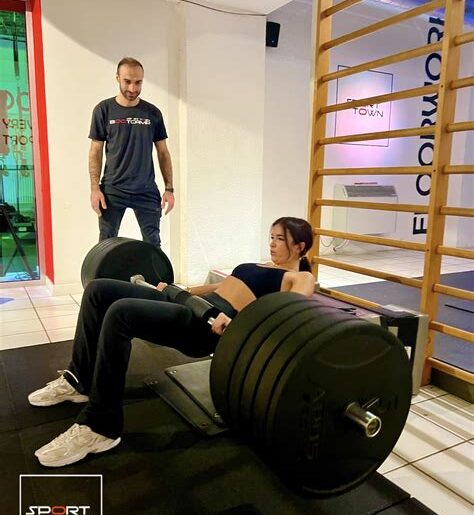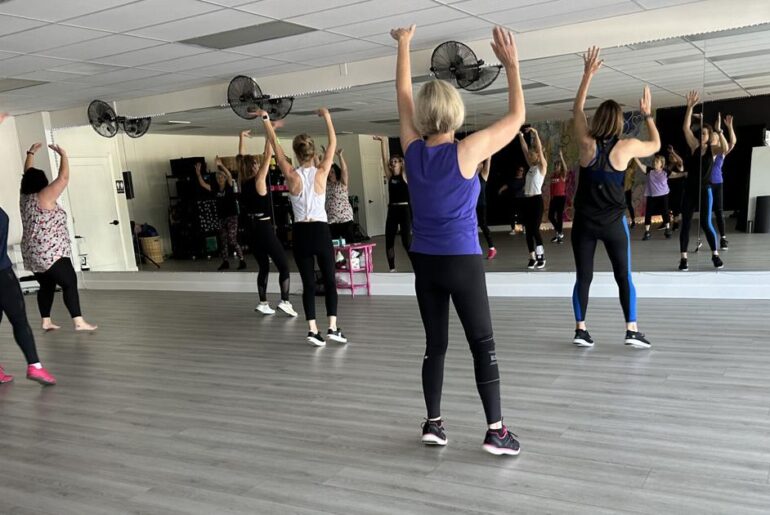
As Australians reassess spending, from all those streaming subscriptions to meal kits, gym memberships can drop off the necessity list.
With traditional gym fees averaging more than $77 per month, or up to $100 per week with group classes, many are searching for lower-cost, flexible alternatives.
New research suggests one in three Australians now use AI to help structure their fitness routines, as cost-of-living pressures reshape what people choose to spend their money on.
Sign up to The Nightly’s newsletters.
Get the first look at the digital newspaper, curated daily stories and breaking headlines delivered to your inbox.
By continuing you agree to our Terms and Privacy Policy.
Affordability is emerging as a key driver.
Seventeen per cent of Australians surveyed by OpenAI cited cost savings as the primary reason for turning to AI tools for fitness support.
Rather than locking into contracts or paying for weekly sessions, users are prompting AI to generate personalised workout programs, adapt training schedules and plan meals, tasks that once required multiple paid services.
Younger Australians are leading the shift.
More than half of Gen Z and Millennials say they use ChatGPT to support their fitness goals. For many, it is not about abandoning gyms altogether, but reducing reliance on paid support.
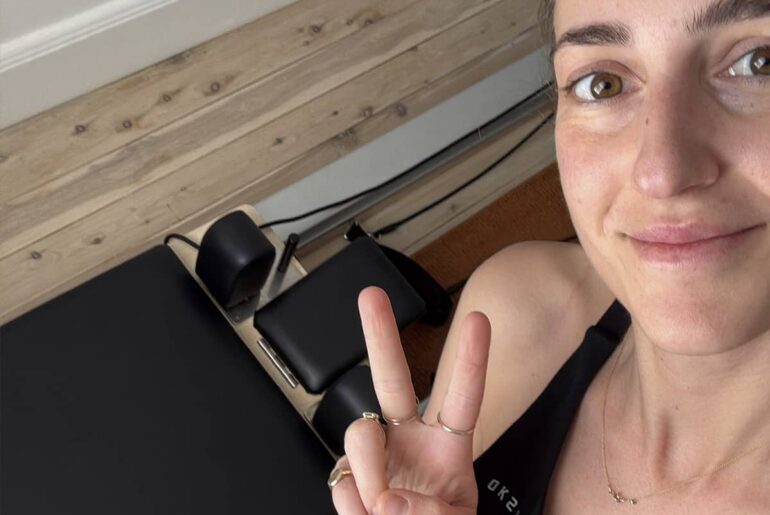
For fitness content creator Caity Viant, the shift from curiosity to reliance happened gradually and practically.
“It stopped being a novelty when my training volume increased,” she says.
“Once I moved into structured Ironman prep, there were too many moving parts. Swim sessions, long rides, run intensity, strength work, nutrition and recovery.”
As her training intensified, she found the tool helped ease mental strain as much as financial cost.
“I realised I wasn’t just using it for random ideas and support, I was using it to reduce the mental load,” she says.
“If I was feeling flat I could troubleshoot quickly. Is it my sleep, under eating, too much intensity stacked together. That shift from ‘this is interesting’ to ‘this actually helps me make smarter decisions’ is when it became part of my routine.”
In a tighter economic climate, she believes AI can help fill part of a gap that traditional gyms and personal trainers cannot always address, though she is careful to draw a distinction.
“To a degree, yes,” she says.
“Not because coaches aren’t valuable, they absolutely are, but because not everyone can afford ongoing one-to-one support. AI can provide structure and guidance at a lower cost, which removes that ‘I don’t know where to start’ barrier.”
For beginners, especially, she argues, accessibility matters.
“That said, it doesn’t replace the nuance of an experienced coach. It’s a tool, not a substitute for human expertise or accountability, but it does widen access.”
The appeal is not just price. AI tools offer immediacy — the ability to pivot a training week around work travel, fatigue or family demands in minutes.
“It’s incredibly good at adapting quickly,” she says.
“I can adjust a week of training around travel, fatigue or schedule changes in minutes. It’s also strong for education, helping me understand why something might be happening in my body rather than just giving me a plan.”
But she is clear about its limitations.
“Where it falls short is lived experience. It doesn’t watch you move, doesn’t see your form break down, doesn’t read your body language. And it can’t replace the instinct of a great coach who knows you deeply over time.”
For Ms Viant, the value lies in integration rather than substitution.
“For me it’s best used alongside data like heart rate, sleep metrics and real-world feedback, not in isolation.”
The technology has also reshaped how she thinks about personalisation itself.
“True personalisation isn’t just plugging numbers into a plan. It’s context – stress levels, sleep, travel, hormonal cycles, training load, even motivation,” she says.
“AI has helped me zoom out and consider more variables instead of thinking in black and white.”
Used well, she suggests, it can build self-awareness rather than dependency.
“If you use it as a thinking partner to learn, reflect and make better decisions, it builds independence,” she says.
“Ultimately, technology should support intuition, not replace it.”