With major sporting events approaching, the new Priority Pass’ brand new global report show how sports travel is highlighting and reshaping how Americans plan their trips. In this new report, recent data revealed how sports and wellness are shaping the next era of travel, showing how the experience can start long before the event or the destination. The report found that 25% of U.S. travelers say they travel for sports and 32% combine sports and wellness in their trips. Additionally, trends show that younger generations are leading the change, with 55% of younger sports fans becoming motivated to explore new cities through sports travel.
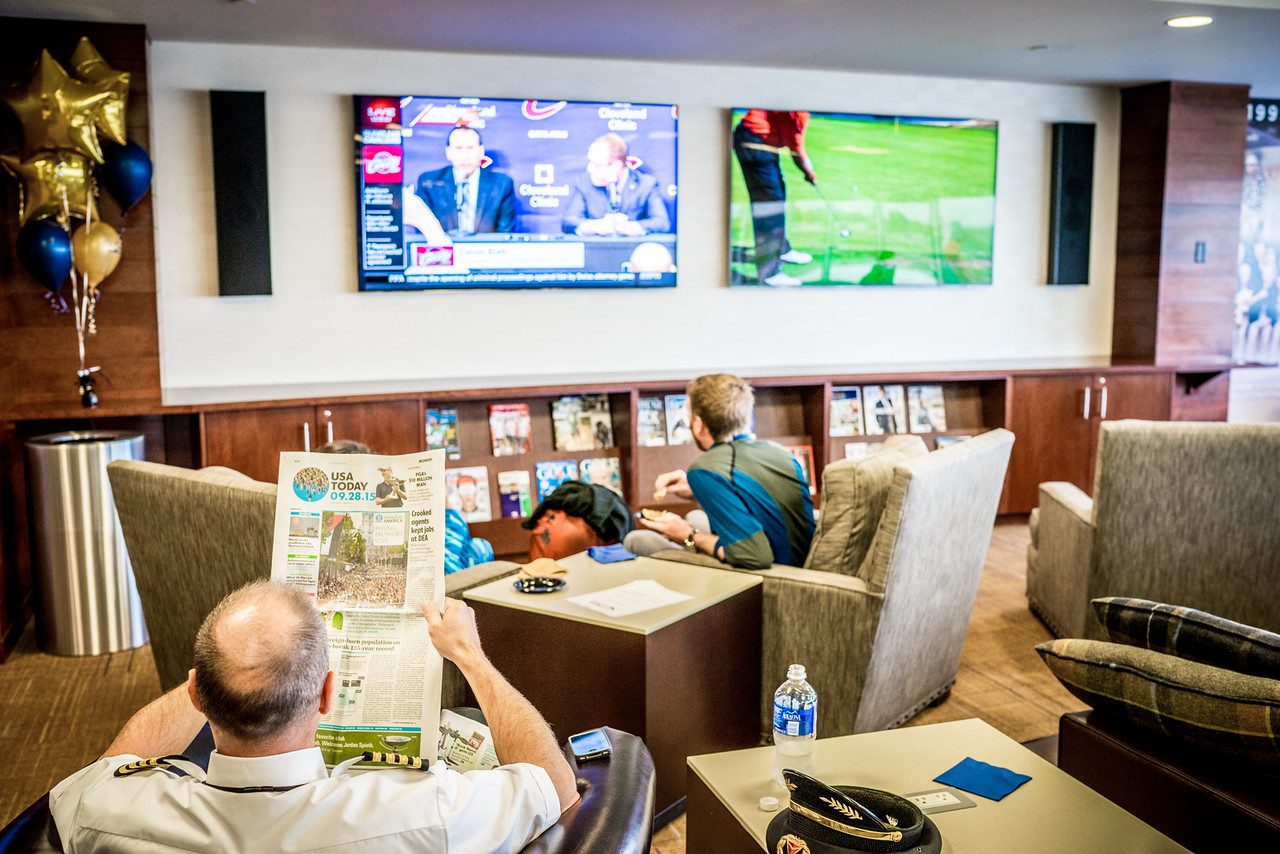
As travelers build trips around these passion-driven moments, the journey itself is becoming part of the experience, starting at the airport. To learn more on the rise of sports travel, I chatted with Sheryl Pflaum, Global Chief Advisory Officer and Executive Chair, The Americas at Collinson Group. Below, she shares what’s making sports and wellness travel so big in 2026.
Why sports and wellness travel are surging
Priority Pass
“We’re seeing a clear shift in how Americans define the value of travel. It’s no longer just about where you go, it’s about why you go and how the experience makes you feel,” says Pflaum. “Sports and wellness travel sit at the intersection of emotion, identity, and self-care. Live sports offer energy, connection, and unforgettable moments, while wellness provides balance, recovery, and mental reset. For me personally, some of my most meaningful travel has been tied to wellness through cycling vacations while also taking in stages of the Tour de France. Those trips are physically demanding and require strength and endurance, but they also create space to disconnect mentally and reset.”
“After several years of disruption and burnout, travelers are far more intentional. They want trips that feel meaningful, restorative, and worth their time. Sports and wellness deliver exactly that, high-impact experiences that align with personal passions and well-being.”
The age of passion pursuits
Delta Air Lines / Delta Air Lines
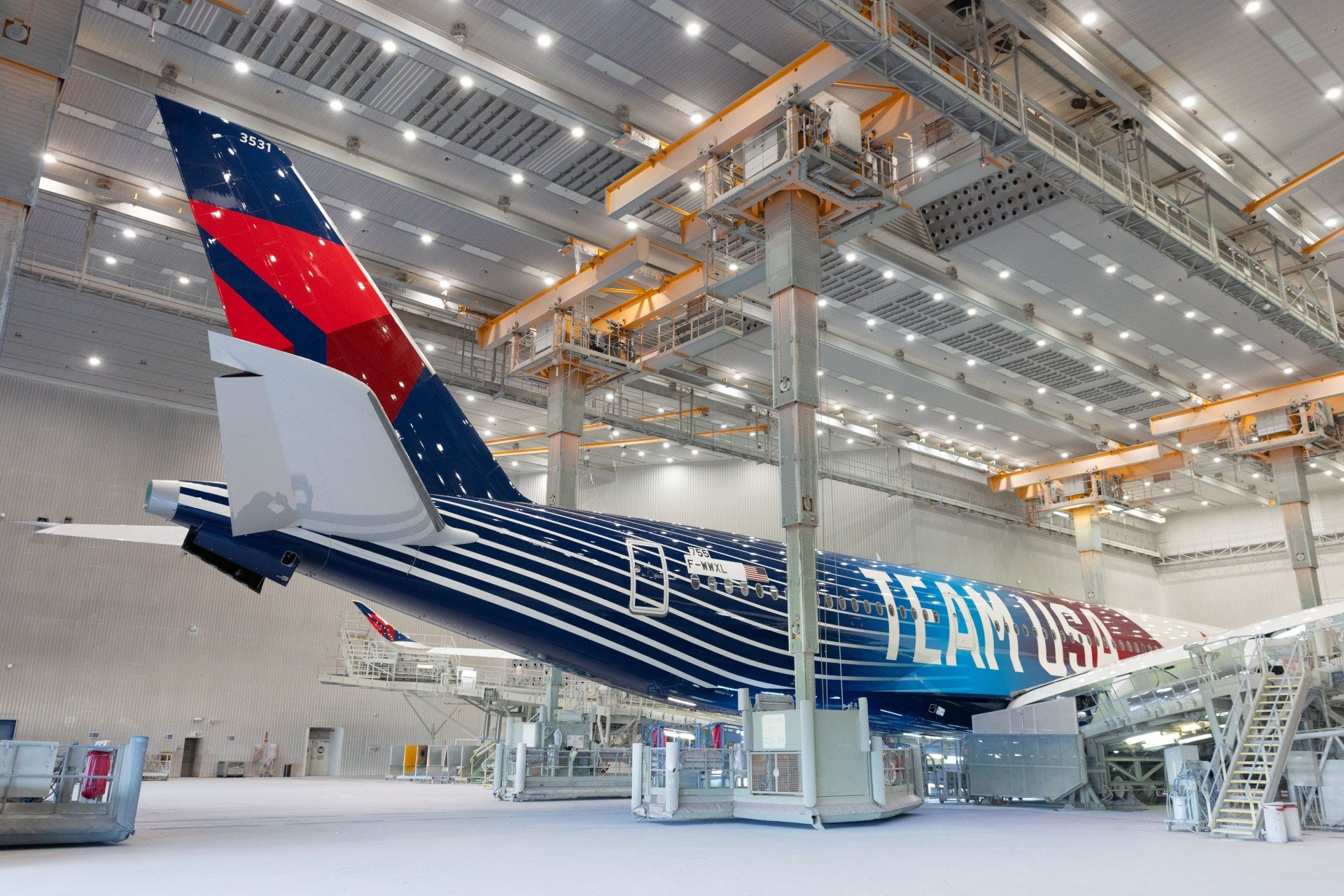
The report also introduces the idea that travelers are in an “age of passion pursuits”, which is driving how they plan travel today. Pflaum shares that this reflects a change in trip planning. “Instead of starting with a destination, travelers are starting with an interest, a major game, a marathon, a music or sports festival, or a wellness retreat, or even a personal passion and building the trip around it. Nearly half of sports travelers globally say discovering new cities through sports is a primary motivator. Travel planning today starts with the passion/interest first, and everything else, flights, hotels, airport experiences follows from there,” she shares.
Sports
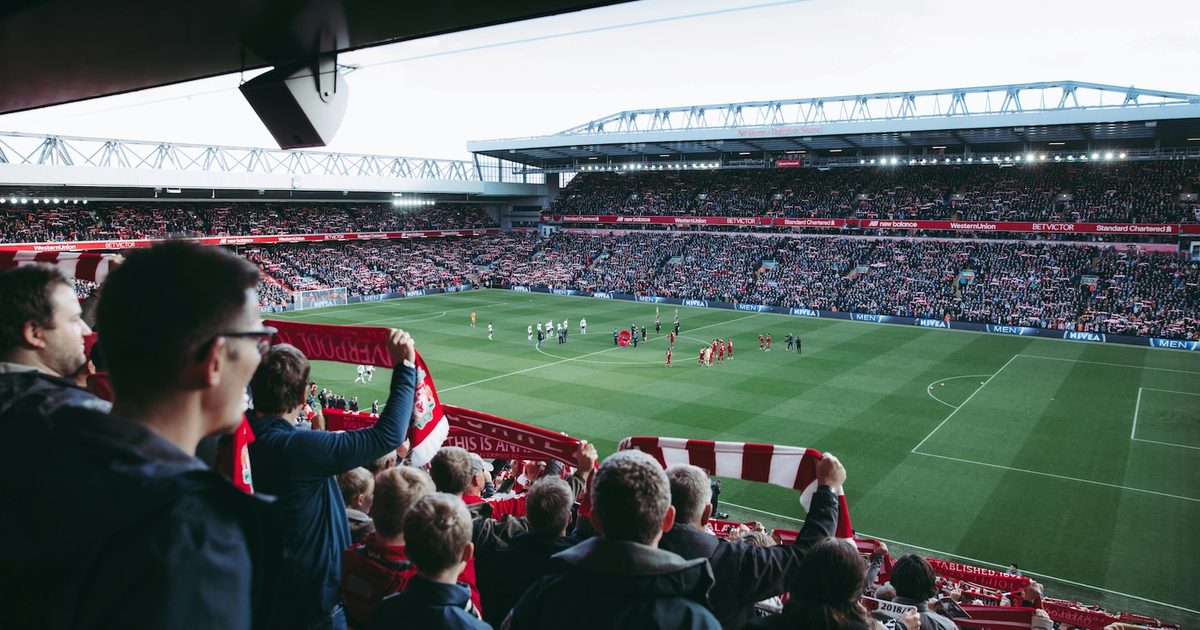
Research shows that 25% of U.S. travelers are traveling specifically for sports. Per Pflaum, live sports create a powerful, emotional draw for travelers; they offer community and experiences that simply can’t be replicated digitally “We’re seeing strong momentum around major league games, international tournaments, and college sports. For many people, attending a game or tournament isn’t just entertainment; it’s a bucket-list moment tied to personal passion and identity,” she shares.
“In the U.S., American Football is the leading driver of sports-related travel, with 65% of sports travelers citing it as a key motivator, followed by basketball at 46% and baseball at 38%. Sports travel today isn’t just about attending a game; it’s about being part of a larger cultural moment, often tied to identity, community, and shared experience, like the 2026 FIFA World Cup across North America.” Those most interested in sports travel also appear to be those in the Gen Z and Millennial groups who are driven by experiences that feel authentic, shareable, and emotionally meaningful.
Wellness
The data also suggests that wellness travel today is much broader and more integrated than it used to be — with hotels and resorts offering a broad scope of wellness activities and treatments. “It’s no longer just about spa treatments; it’s about mental health, emotional well-being, and creating space to disconnect,” Pflaum says.
“43% of U.S. travelers say they travel for wellness, and 50% of wellness travelers globally are motivated by mental health and emotional healing, not just traditional spa treatments. Today’s wellness travel includes nature immersion, mindfulness practices, sleep optimization, digital detoxing, and recovery-focused experiences woven throughout the trip.” Wellness travel has a a different meaning to different types of travelers, too.
Combining wellness and sports
“Our research shows that 32% of U.S. travelers combine sports and wellness within the same trip, reflecting a desire to balance excitement with recovery. After the intensity of a live sporting event, many are actively building in recovery moments, whether that’s a spa visit, sleep-focused accommodations, meditation, or simply slowing down. They want the thrill of the experience but also want to return home feeling restored rather than depleted. In this way, sports and wellness naturally complement each other: one delivers adrenaline, the other sustains long-term well-being,” she says.