101
Scroll deep enough into a niche beauty brand’s Instagram comments and you can feel it.
The language and the in-jokes. The “don’t sleep on this.” The saved tutorials resurfacing weeks later. Customers correct each other on technique. The quiet shift from product to ritual.
In 2018, as indie beauty continues to outpace the broader category, these cultural markers matter as much as revenue curves. Sometimes more.
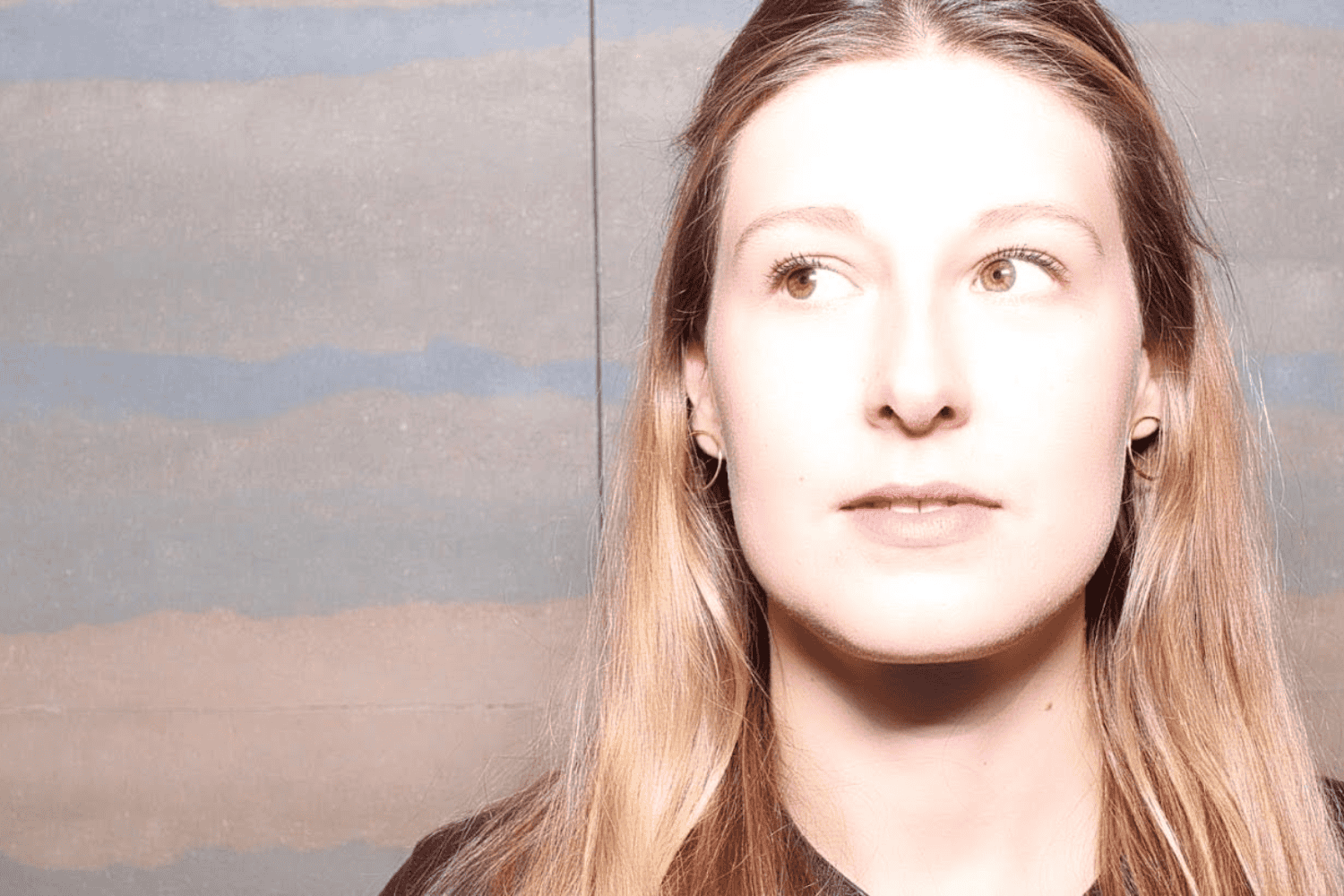
At L’Oréal’s Corporate Digital Team, Cécilia Turck, Director of Digital Marketing Best Practices for M&A, has been rethinking how the next beauty unicorn is identified. A graduate of HEC Paris Business School with a major in Marketing, Turck built her career across strategic marketing roles at LVMH and L’Oréal, developing a cross-luxury perspective that bridges heritage maisons and emerging disruptors. Today, she approaches brand scouting less like a banker and more like a cultural decoder, blending hard data with deep online and offline anthropology to turn digital behavior into an early forecasting tool.
Her premise is simple: financial metrics confirm momentum.
Starting With Tribes, Not Spreadsheets
“In practice, I start with the numbers to see if there’s real momentum,” Turck explains. “But I never recommend a brand unless the culture check passes. If the tribes, the creators, the story, and the product rituals aren’t there, it’s not a unicorn. It’s just a spike.”
Instead of beginning with profit and loss statements, Turck begins with behavior.
Who is obsessing over the brand? How are they talking about it across Instagram comment threads, Reddit forums, Sephora reviews, and emerging private communities? Has the brand become shorthand within a subculture; a badge of identity, a professional tool, a daily habit?
The difference between hype and belonging is visible in the language.
From there, she structures what can otherwise feel like digital chaos.
She tracks growth velocity, not just size. Follower acceleration, search interest, and subscriber trends over time help distinguish a hot moment from sustained momentum. Velocity often signals breakout potential.
She measures engagement depth. Saves, shares, meaningful comment threads, click-through rates, and repeat visits reveal intent and advocacy. These are far more predictive than passive likes.
She examines unit-level health: average order value, repeat purchase rates, basket composition, and early contribution margins. Emotional attachment must translate into economic viability.
She benchmarks distribution and channel mix. How diversified is the brand across direct-to-consumer, marketplaces, and retail? Is growth resilient across ecosystems, or overly dependent on a single platform?
All of these inputs feed into a simple scoring framework that allows very different indie brands to be compared on a common grid and surfaced as “watch” or “must-meet” targets, often long before they appear on traditional M&A radar.
The Culture Check
In an era of algorithm-driven virality, impressive dashboards can mask shallow attachment. Turck’s second layer of analysis guards against that illusion.
She evaluates three qualitative pillars: belief, behavior, and advocacy.
Belief: Does the brand have a credible founder narrative and a clear point of view? Is it anchored in a meaningful tension: clinical versus clean, luxury versus accessible, minimalism versus maximalism, that can travel across markets? A strong aesthetic is not enough. The brand must stand for something durable.
Behavior: Is there a hero product embedded in repeatable ritual? Are consumers developing layering techniques, hacks, or insider cues that signal depth of adoption? When customers move from trying a product to teaching it, attachment has shifted from trial to integration.
Advocacy: Who is speaking about the brand without prompting? Makeup artists, dermatologists, salon professionals, niche creators. Organic endorsement within expert communities carries more predictive weight than transactional influencer campaigns.
Turck goes beyond surface metrics. She meets with these voices. She conducts long interviews and hours of conversation to understand, from their lens, which brands feel “fluffy” and which are structurally embedded in professional practice.
This qualitative layer prevents her from mistaking noise for inevitability.
The result is a playbook where Instagram comment threads, Sephora reviews, and tightly knit creator communities often flag the next breakout long before spreadsheets do, a non-financial “secret sauce” that makes digital love, not just revenue, the starting point for M&A conversations.
Proof in Practice: Pulp Riot
L’Oréal Group’s recent acquisition of Pulp Riot in May 2018 offers early validation of this approach.
Founded in 2016 by David and Alexis Thurston, the U.S.-based professional haircolor brand generated approximately $11 million in net sales in under two years, impressive for what was essentially a niche vivid-color line.
But the financial performance was only part of the equation.
The decisive indicators were behavioral.
Pulp Riot cultivated a highly defined tribe of vivid-color stylists. With more than 675,000 Instagram followers, its education model lived almost entirely on social media. Stylists saved tutorials, recreated techniques in their salons, shared formulations, and tagged results. Comment threads functioned as peer-to-peer classrooms.
The brand was embedded in daily professional practice.
Founder credibility reinforced trust and ownership. The community did not simply purchase the product; it carried the philosophy.
Cultural ownership preceded commercial scale. The brand was a cult before it was a deal, precisely the type of signal Turck’s framework is designed to detect: intense digital engagement, ritualized usage, and founder-led storytelling that make a small brand read like a future category shaper.
Redefining Beauty M&A
As indie beauty expands in 2018, fueled by authenticity and community, acquisition models are evolving. Revenue and profitability remain essential, but they increasingly function as confirmation rather than discovery.
Turck’s integrated methodology reflects a broader industry shift. The next generation of beauty unicorns will likely emerge from deep community integration first, with financial scalability following.
By prioritizing behavioral depth over surface metrics, she is helping reshape how the industry defines growth. The objective is no longer simply to acquire brands with strong balance sheets. It is to identify brands that have already secured a place in consumers’ routines, language, and professional practice.
Look closely, in saved tutorials, extended comment threads, and niche subcultures refining their craft, and the next unicorn is often already visible.
LinkedIn: https://www.linkedin.com/in/c%C3%A9cilia-turck-8985393a/
Presented by Media Lister