Knowing your blood pressure and cholesterol numbers is a great first step to mitigating your risk for cardiovascular disease. Hearing from your healthcare provider that your numbers are high can be alarming, but fortunately, both can be lowered by adopting healthier diet and lifestyle habits, and taking medication when necessary.
“When cholesterol is elevated, the first place to look is lifestyle. In many people, high cholesterol travels together with excess weight, especially when the diet is high in saturated fats, processed foods and excess calories,” says Dr. Maria Delgado-Lelievre, MD, a cardiologist and the founding director of the Comprehensive Hypertension Center in Miami, Florida.
Dr. Delgado-Lelievre explains that the foundation of cholesterol management starts with improving nutrition. “That means limiting saturated fats, reducing ultra-processed foods and focusing on vegetables, fruit, whole grains, beans, nuts, seeds and healthy fats in moderate amounts,” she says.
🩺SIGN UP for tips to stay healthy & fit with the top moves, clean eats, health trends & more delivered right to your inbox twice a week💊
Cardiologist Dr. Nieca Goldberg, MD, recommends the Mediterranean diet to anyone who wants to maintain healthy cholesterol levels, a way of eating that emphasizes the foods Dr. Delgado-Lelievre just named. She says that regular cardio-based exercise and strength training are important too. “Diet and exercise can lower cholesterol by 12 to 15 mg/dL. It may take three to four months of following the Mediterranean diet and exercise to see an effect on your cholesterol levels,” Dr. Goldberg explains.
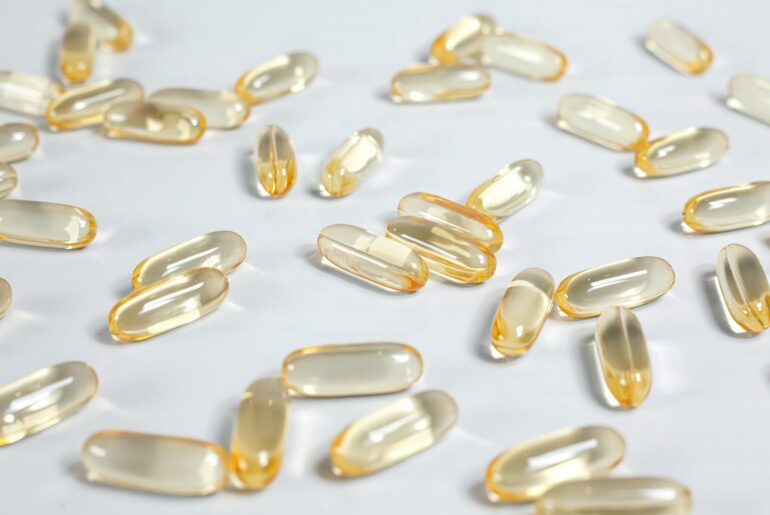
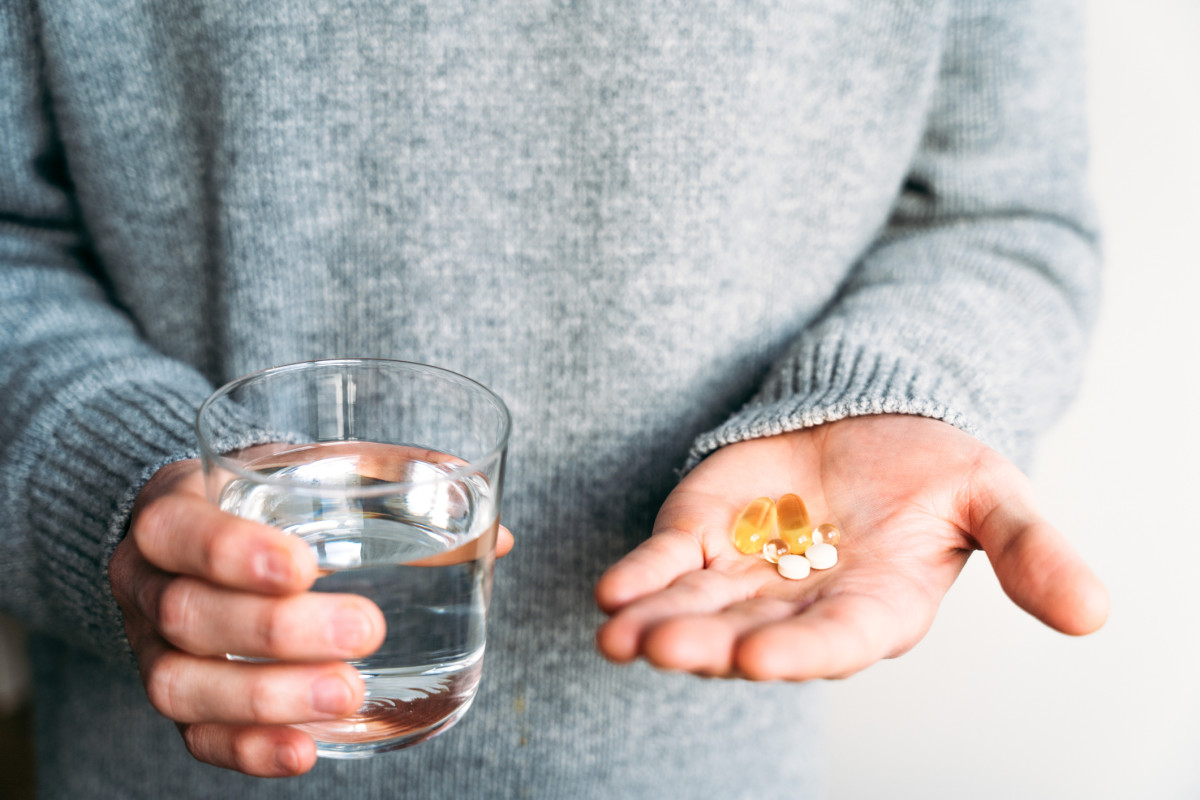
Sometimes, medication and supplements play a role in managing cholesterol. But if you are going to take a supplement to help manage your cholesterol, there’s something both cardiologists say you should know first.
Evgeniia Siiankovskaia/Getty images
(Evgeniia Siiankovskaia/Getty images)What Role Do Statins Play in Lowering Cholesterol?
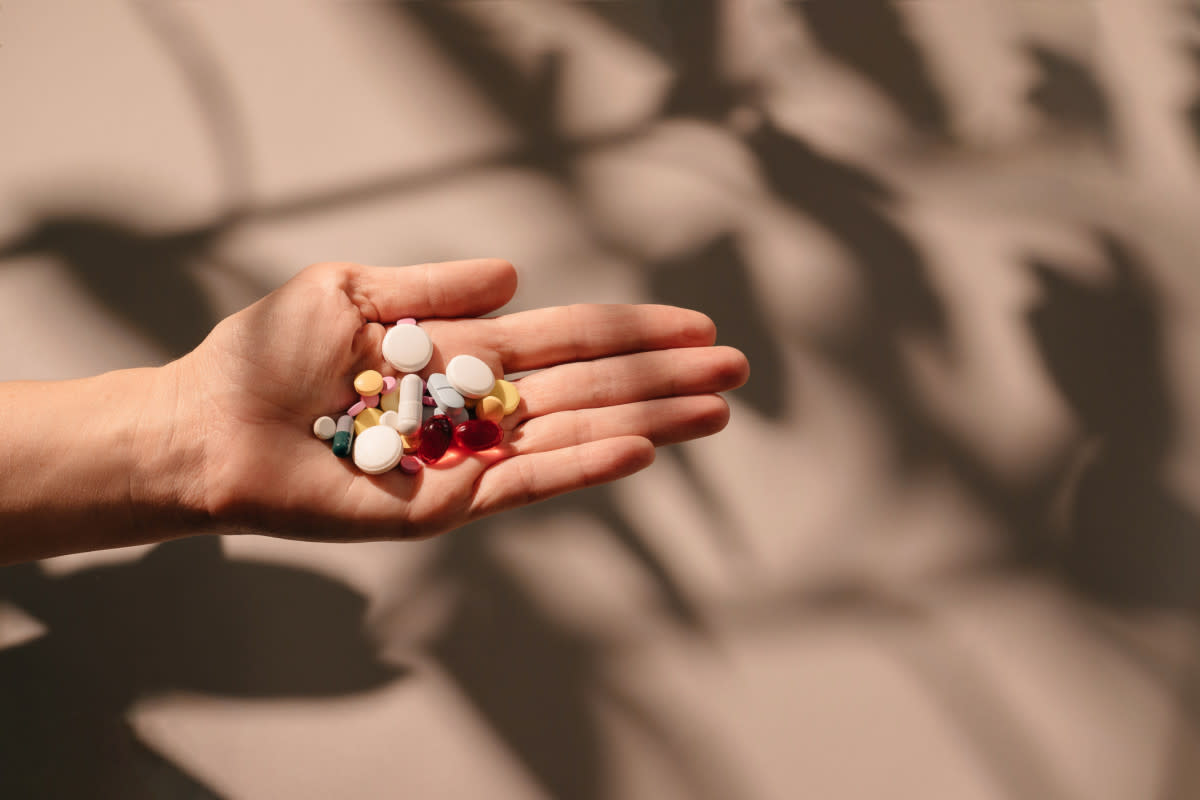
While maintaining a heart-healthy diet and lifestyle habits is important for everyone, both cardiologists say that statins can be crucial for those with high cholesterol. Dr. Goldberg explains that these medications are prescribed to people with high LDL cholesterol and based on their risk for cardiovascular disease. “You can see a lowering of cholesterol three to four weeks after starting the medication,” she says.
Dr. Delgado-Lelievre explains that statins work by helping the liver reduce cholesterol production and clear more LDL from the bloodstream. “Statins don’t just lower numbers. They reduce the risk of heart attack, stroke and cardiovascular death. That’s why they are recommended for people at higher cardiovascular risk, especially those who have already had a heart attack or stroke, diabetes or very high LDL levels,” she says. For people at high risk for cardiovascular disease, she adds that statins are not just about cholesterol; they play a key role in cardiovascular disease-prevention.
Related: ‘After a Period of High Cholesterol, I Lowered It by 66 mg/dL in 2 Months—Here’s What I Did’
Sometimes, statins aren’t enough to lower LDL cholesterol or they are not tolerated well. In these cases, Dr. Delgado-Lelievre says that other prescription medications may be prescribed that work by reducing cholesterol absorption in the intestine. “The choice of medication depends on a person’s overall cardiovascular risk, not just a single cholesterol number,” she explains.
The Supplement for Heart Health Cardiologists Say To Be Careful With
Whether you’re currently on prescription medication to lower cholesterol or you just want to do everything you can to support your cardiovascular health, you may have considered taking a supplement for additional support. Considering that nearly half of all U.S. adults have one or more cardiovascular conditions, it’s a major market the supplement industry is capitalizing on and there’s no shortage of options to consider.
But both cardiologists say to be careful—and skeptical—of any supplement claiming to lower cholesterol quickly. “Be cautious of products that promise dramatic cholesterol reductions without lifestyle changes. If something claims to ‘replace statins’ or ‘cure heart disease,’ that is a red flag,” Dr. Delgado-Lelievre says.
She adds that another red flag is seeing a supplement all over social media without scientific backing. Remember: Supplements are not regulated by the Food and Drug Administration.
Related: Cardiologists Are Begging People To Stop Ignoring This Important Cholesterol Number
“Many commonly used supplements, including garlic, bergamot, CoQ10 and B vitamins, do not meaningfully lower cholesterol,” Dr. Goldberg tells Parade. Considering a supplement with plant sterols? She says these supplements may lower LDL cholesterol slightly, but don’t expect a major difference.
Both cardiologists mention that red yeast rice supplements are also commonly marketed as cholesterol-lowering, but it’s important to discuss taking one with your healthcare provider first. “Red yeast rice contains a naturally occurring compound similar to a low-dose statin. It can reduce LDL cholesterol modestly. However, because it acts similarly to a statin, it can also carry similar side effects, and the amount of active ingredient varies widely between products,” Dr. Delgado-Lelievre says.
Dr. Delgado-Lelievre shares that cholesterol-lowering supplements are a misunderstood area, unlike statins and eating plans like the Mediterranean diet and DASH diet, which are all backed by vast scientific evidence.
This is why it’s worth it to talk to your healthcare provider before taking any type of supplement for heart health, especially if you are already taking prescription medications. “Supplements may have a role for some lower-risk individuals, but they are not appropriate for people who have already had a heart attack or stroke, have very high LDL levels or are at high cardiovascular risk. In those cases, evidence-based medical therapy is essential,” Dr. Delgado-Lelievre says.
Instead of depending on a supplement that may or may not be beneficial, Dr. Goldberg says to work with your healthcare provider to manage your cardiovascular risk, explaining, “Supplements are often not enough to lower your cholesterol.”
Supplements claiming to be as effective as statins or have the ability to lower cholesterol fast should be looked at skeptically. Besides being a waste of money, they may do more harm than good.
Up Next:
Related: Why Experts Say This Health Number Matters More Than Cholesterol for Stroke Risk
Sources:
This story was originally published by Parade on Feb 23, 2026, where it first appeared in the Health & Wellness section. Add Parade as a Preferred Source by clicking here.