Maintaining a healthy heart starts with your grocery cart and the habits you build while shopping. From looking at ingredients and deciphering food labels to navigating the different aisles, it can be overwhelming to know what to look for, but each decision can impact your health. On this episode of The Wellness Conversation, clinical dietitians, Ciara Bartholomew and Nan Radabaugh, RDL, LD, empower listeners to make conscious decisions in their grocery shopping that support their heart health.
Knowing how to decode nutrition labels when you’re shopping is a great place to start when incorporating these healthy habits. Bartholomew said, “I keep it simple with sodium, saturated fats and added sugars” [05:27-05:31]. An easy way to break this down is looking at the percent daily value on the right side of each nutrition label. “A low source is less than 5 percent, a moderate source is around 5-15 percent and a high source is over that 20 percent, so a little red flag should go off in your head if you see that,” Bartholomew said [05:32-05:38].
When looking at these labels, it’s easy to think about what you need to limit in your diet, but Radabaugh places an emphasis on also adding certain nutritional factors such as fiber, protein and unsaturated fats.
Discovering your ideal grocery store looks different for everyone based on a variety of factors, but Radabaugh said you can achieve heart healthy shopping at any grocery store depending on how you shop. “Regardless of where you shop, you’re going to have to navigate healthier options and less healthier options,” Radabaugh said [14:06-14:12]. “We have to navigate those choices and know what to look for to help make the healthier choices” [14:48-14:54].
Finding practical ways to incorporate these healthy eating habits into your life can feel unmanageable when you’re living a busy lifestyle, but Bartholomew said that snacking can be a part of a balanced diet. When snacking, she recommends pairing carbs and protein together instead of focusing on one food group for a more balanced snack.
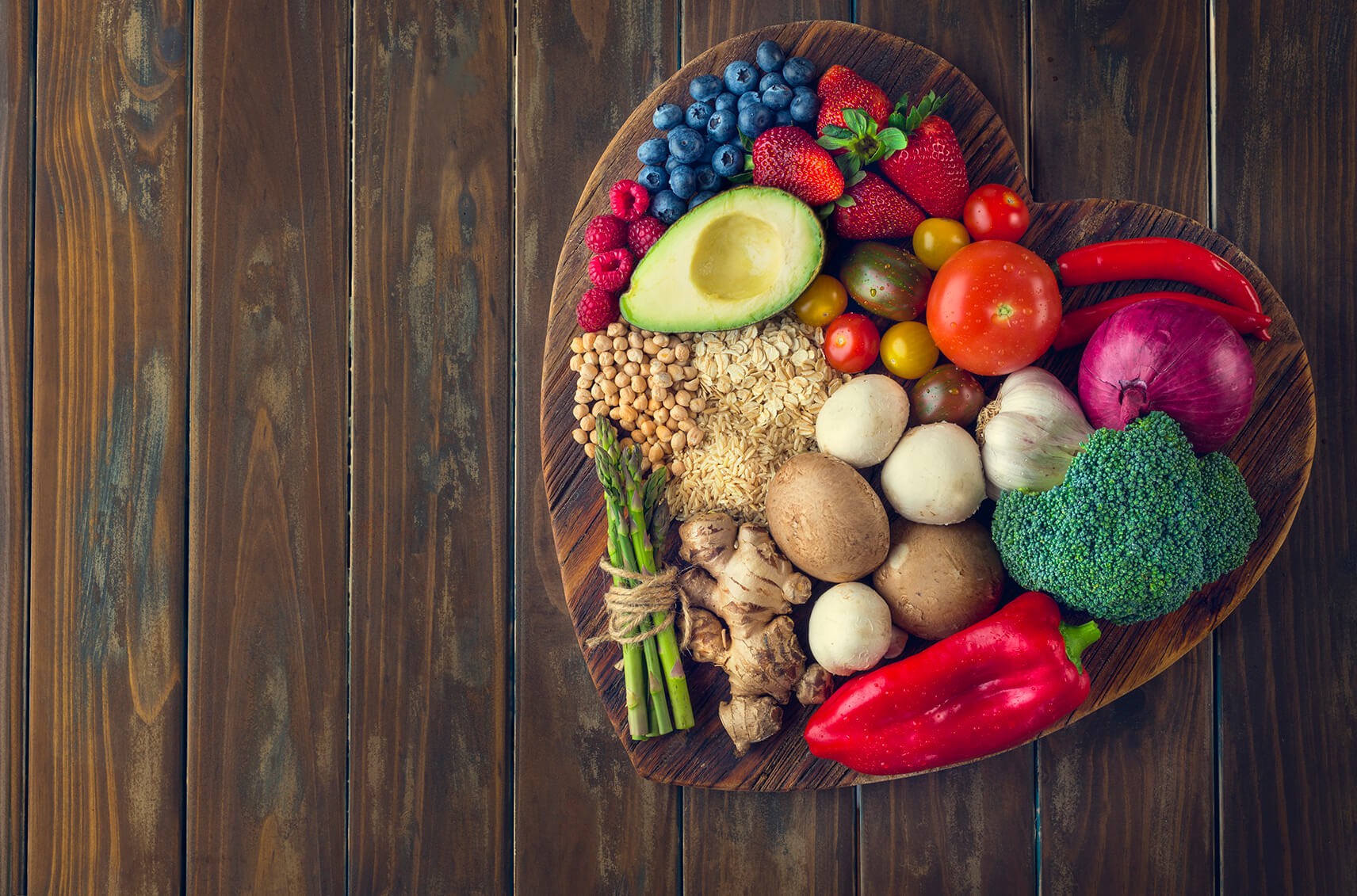
“Always have things on hand that are healthy but don’t take a lot of prep time,” Radabaugh said [23:45-23:49]. Some quick, on-the-go options are tuna, peanut butter, canned beans, brown rice, frozen vegetables, nuts and seeds.
Bartholomew encourages listeners to take it step by step—you don’t have to change your entire grocery list, but it’s important to set small realistic goals to foster long-term changes in your health.
To listen to the full episode, click here.
‘;