Introduction
Traditional approaches and limitations
How AI decodes diet-disease links
Applications in chronic disease
Challenges and ethical considerations
Conclusions
References
Further reading
This article explains how artificial intelligence integrates nutritional data, machine learning, and multi-omics to improve the prediction of diet–disease relationships while emphasizing the need for validation, transparency, and clinical oversight. It highlights emerging clinical applications in chronic disease alongside methodological limits in measurement, causality, and ethical implementation.
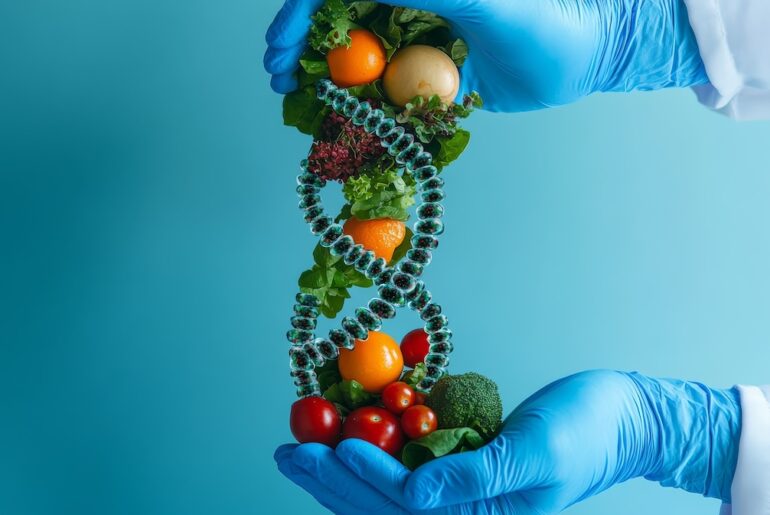
 Image Credit: Nan_Got / Shutterstock.com
Introduction
Artificial intelligence (AI) refers to computer systems designed to perform tasks that require human intelligence, while machine learning (ML) is used to learn patterns from data and subsequently improve predictions without direct programming. AI and ML are widely used to analyze large population datasets and identify patterns that can diagnose diseases quickly.
Traditional approaches and limitations
Traditional studies often use self-reported tools, such as food frequency questionnaires (FFQs), for dietary assessment. Although these methods can assess large population studies, they are associated with numerous limitations like inaccuracies and recall bias that lead to variations in reports that can misinterpret diet-disease relations and introduce both random and systematic measurement error, potentially attenuating or distorting associations between dietary exposures and disease outcomes.2,3
Diverse food habits, genes, and lifestyles further complicate scientific studies, making it harder to ensure results are generalizable to the public. Diet represents a highly complex exposure consisting of thousands of foods consumed in varying combinations over time, often with nonlinear and interactive effects that are not well captured by traditional regression-based approaches.2,3 Importantly, many conventional epidemiological models assume linearity and independence of exposures, which may oversimplify real-world dietary patterns.3 These challenges emphasize the need for advanced computational tools like AI and ML that can handle complex nutrition data and accurately elucidate diet-disease relations.2,3
How AI decodes diet-disease links
ML techniques
AI decodes complex diet-disease relationships primarily through ML techniques that can effectively evaluate high-dimensional nutritional data, surpassing traditional statistical models. Supervised learning methods, including random forests, support vector machines, and deep neural networks, are widely used to predict disease risk or health outcomes due to food intake when combined with clinical and lifestyle changes. These approaches allow modeling of nonlinear and nonadditive associations and can incorporate large-scale datasets derived from electronic health records, wearable devices, and dietary tracking applications.2,3 However, while these models improve predictive performance, they do not inherently establish causal relationships between diet and disease without an appropriate study design and validation.3 These models can accurately calculate post-meal blood sugar levels, cardiometabolic risk markers, and obesity-related outcomes by learning nonlinear associations between nutrients, foods, and physiological responses.2,3
Unsupervised learning techniques such as clustering, principal component analysis, and latent class analysis have also been used to identify underlying dietary patterns without predefined labels. These approaches are particularly useful in dietary pattern research, where overall eating patterns (e.g., Western or Mediterranean-style patterns) may better predict disease risk than single nutrient analyses. Unsupervised models are particularly valuable in pattern-based nutrition research, which shows that overall dietary patterns, rather than a specific nutrient, can increase the risk of disease.2,3
Integration of multi-omics
AI combines diet data with genomics, metabolomics, proteomics, and gut microbiome profiles to better understand how diet can cause diseases. Multi-omics integration enables the identification of biomarkers, such as branched-chain amino acids, lipid species, and microbiota-derived metabolites, associated with future risk of type 2 diabetes and cardiovascular disease.4 Using ML, AI can analyze complex data to identify specific disease-associated biomarkers like blood fats or gut metabolites that can predict the risk of diabetes and heart-related diseases earlier than traditional methods. By learning large-scale multi-omics data, AI can be applied to create personalized nutrition plans for individuals, often within structured clinical frameworks rather than as standalone automated systems.1,4
How AI is Transforming Personalized Nutrition for Better HealthPlay
Applications in chronic disease
When applied to the study of metabolic diseases, ML can analyze patient diet, clinical reports, and biomarkers to precisely predict individuals’ risk of developing obesity or diabetes. AI can also create personalized diet plans using real-time data from gut microbiota studies and continuous glucose monitors to improve blood sugar and cholesterol levels.4,5 A recent systematic review identified 11 clinical studies (including five randomized controlled trials) evaluating AI-generated dietary recommendations, reporting improvements in glycemic control, metabolic health, and psychological well-being, with one included study reporting a 39% reduction in IBS symptom severity and diabetes remission rates up to 72.7%.5
AI has also been used to establish connections between diet, body chemistry, and cancer risk by analyzing multi-omics data. Rather than focusing on a single nutrient, these models study how combinations of food and metabolism can affect inflammation and tumor growth. However, much of this evidence remains exploratory and requires longitudinal validation in diverse populations, and current applications are largely focused on risk stratification rather than confirmed clinical prevention outcomes.4
ML combines diet, gut microbiome, and metabolic data to predict how the body will respond to specific foods. These models reveal how diet-induced shifts in microbial diversity and metabolite production affect insulin production, body weight regulation, and gastrointestinal health, enabling personalized nutrition strategies for chronic disease prevention and management, typically as decision-support tools that complement dietitian-led care rather than replace it.1,5
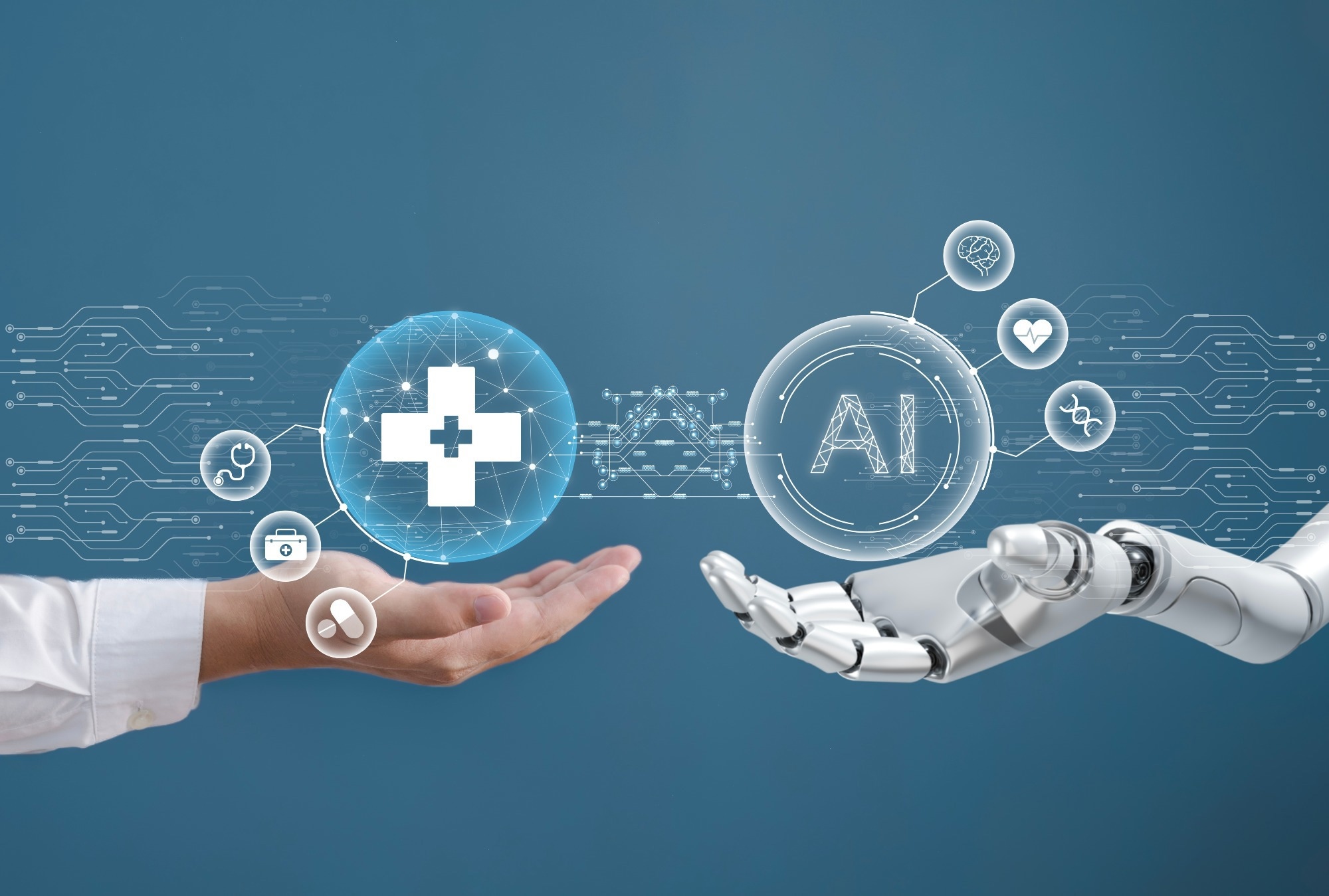 Image Credit: Panya_photo / Shutterstock.com
Challenges and ethical considerations
The application of AI in nutrition research and personalized nutrition raises several methodological and ethical challenges that must be addressed to ensure its proper and reliable use. For example, AI relies on large datasets from apps and wearable devices that are often incomplete and biased, as the data available often represents only a certain group of people. Algorithmic bias arising from non-representative training datasets may reduce generalizability and produce inaccurate recommendations for underrepresented populations. Without testing these models among diverse groups, AI-driven recommendations may misinterpret results and create incorrect dietary plans.4
Many advanced ML and deep learning models are ‘black boxes,’ which makes it difficult for clinicians and users to understand how dietary plans are generated. Ethical issues regarding data privacy, consent, algorithmic accountability, and the appropriate role of human oversight highlight the need for explainable AI methods, strong regulations, and collaborative efforts to monitor how AI improves diet.4 Experts also emphasize the need for standardized validation protocols, multicenter trials, and transparent reporting frameworks before AI-driven nutrition systems can be widely implemented in clinical practice.4,5 Integration into the Nutrition Care Process (assessment, diagnosis, intervention, and monitoring) requires clear delineation of clinician responsibility and ongoing human oversight.1
Conclusions
By combining food habits, genetic data, and lifestyle factors, AI has the potential to improve disease prediction and create personalized nutrition plans for chronic diseases. Nevertheless, validation of AI tools across diverse populations is needed, as well as transparency in model development and thorough evaluation of clinical relevance to ensure reliability. While early clinical studies are promising, long-term effectiveness, scalability, and integration into routine dietetic practice remain active areas of research, and most current systems function as adjunctive decision-support technologies rather than fully autonomous clinical solutions.1,5
References
Ngo, K., Mekhail, S., Chan, V., et al. (2025). The Use of Artificial Intelligence (AI) to Support Dietetic Practice Across Primary Care: A Scoping Review of the Literature. Nutrients 17(22). DOI: 10.3390/nu17223515. https://www.mdpi.com/2072-6643/17/22/3515
Theodore Armand, T. P., Nfor, K. A., et al. (2024). Applications of Artificial Intelligence, Machine Learning, and Deep Learning in Nutrition: A Systematic Review. Nutrients 16(7). DOI: 10.3390/nu16071073. https://www.mdpi.com/2072-6643/16/7/1073
Morgenstern, J. D., Rosella, L. C., Costa, A. P., et al. (2021). Perspective: big data and machine learning could help advance nutritional epidemiology. Advances in Nutrition 12(3); 621-631. DOI: 10.1093/advances/nmaa183. https://www.sciencedirect.com/science/article/pii/S2161831322001211
Mundt, C., Yusufoğlu, B., Kudenko, D., et al. (2025). AI-Driven Personalized Nutrition: Integrating Omics, Ethics, and Digital Health. Molecular Nutrition & Food Research 69(24). DOI: 10.1002/mnfr.70293. https://onlinelibrary.wiley.com/doi/10.1002/mnfr.70293
Wang, X., Sun, Z., Xue, H., & An, R. (2025). Artificial Intelligence Applications to Personalized Dietary Recommendations: A Systematic Review. Healthcare 13(12). DOI: 10.3390/healthcare13121417. https://www.mdpi.com/2227-9032/13/12/1417
Further Reading
Last Updated: Feb 24, 2026