Quick Answer
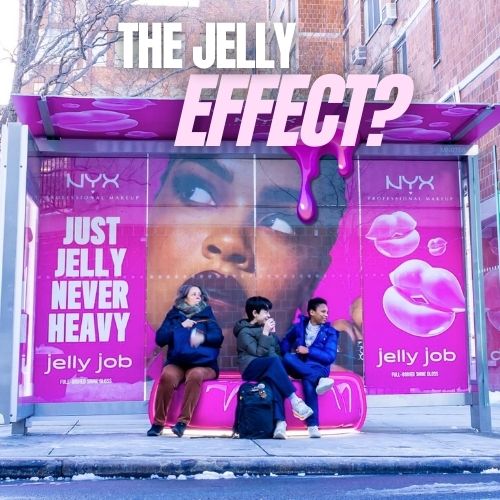
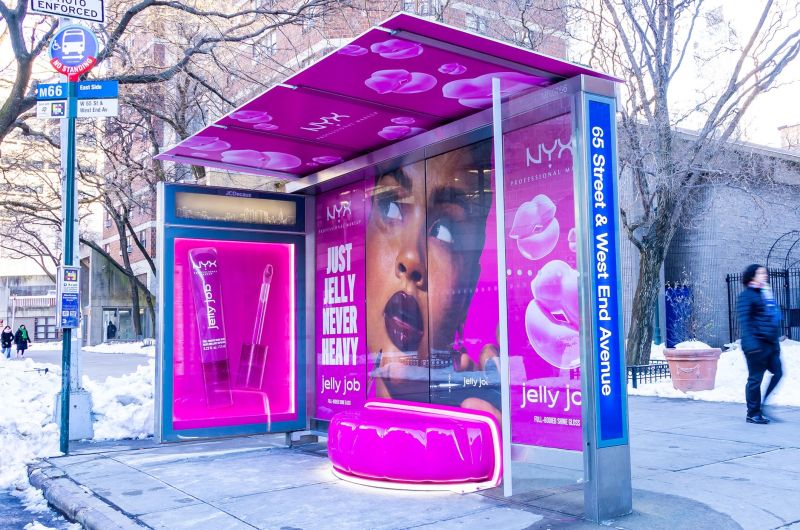
NYX Professional Makeup and JCDecaux transformed a standard bus shelter into a full fuchsia Jelly takeover to launch NYX’s gloss line. The immersive OOH activation turned street furniture into a shareable beauty showcase that blends outdoor advertising with retail-style storytelling.
NYX Turns a Bus Shelter into a Glamorous Jelly Universe
NYX Professional Makeup and JCDecaux proved that a bus shelter can be much more than a place to wait. With a full fuchsia takeover, the brand transformed everyday street furniture into an immersive “Jelly” universe to spotlight its Jelly gloss line, turning routine commuting into something bold, photogenic, memorable, and highly shareable. Quick Take: NYX and JCDecaux converted a standard bus shelter into a bright fuchsia brand environment to launch the Jelly range, blending OOH impact with an experience designed for social sharing and retail-style product storytelling.
When Street Furniture Becomes a Brand Stage
A traditional out-of-home ad usually lives on a panel: you see it and move on. This execution works differently because the format becomes the message. The shelter is wrapped end-to-end, including the roof, side walls, back panels, and even the bench, making the structure feel like a branded set rather than an advertising placement. From afar, the saturation of fuchsia creates instant stopping power against the neutral tones of the city. Up close, the takeover rewards attention, because the details feel like a beauty display that belongs in a store, not on the street. That shift is the key: the shelter stops being a container for an ad and becomes the concept itself.
Why This Approach Works So Well for Beauty
Beauty is a category where aesthetics are not decoration; they are value. Shine, texture, finish, color payoff, and “feel” are all communicated visually before anyone even tries the product. By converting urban furniture into a premium showcase, NYX effectively creates an outdoor beauty counter. And because people naturally slow down while waiting, the environment has built-in dwell time. Those extra seconds matter: commuters can actually look, absorb the brand world, talk about it, and take photos. In other words, the campaign doesn’t just generate impressions; it creates moments, and moments are what drive recall and conversation.
The Sweet Spot Between OOH, DOOH, and Retail Media
Even without a screen, this kind of takeover follows a digital-era logic: capture attention fast, invite engagement, and trigger shareability that extends reach beyond the physical location. It also behaves like retail media because it presents the product inside a “shopping-coded” environment. Instead of simply telling people the Jelly line is bold and full-bodied, the installation demonstrates it through scale, color dominance, and a playful, immersive vibe. The street becomes the storefront, and the shelter becomes the shelf, creating a bridge between brand awareness and product consideration.

Designed to Be Shared
What makes this execution powerful is that it anticipates behavior. When people see a space that looks curated and camera-ready, they interact with it differently. They step into it, pose, photograph, and post. That user-generated content turns a single physical placement into a multiplier, extending the campaign into social feeds and group chats. The takeover becomes a content engine because it feels like an experience, not just advertising. For brands competing in attention economies, that is a major advantage: the campaign can live far beyond the bus stop.
What OOH Can Learn From This
This activation is a strong example of how street furniture can evolve into immersive media. In high-footfall areas, shelters are micro-destinations: they offer proximity, visibility, and time. When brands design for the whole environment rather than a single panel, they unlock stronger memorability and a deeper emotional connection. The bigger lesson is simple: format innovation creates impact. Immersion improves recall. Shareability multiplies reach. And when the infrastructure becomes storytelling, the city itself becomes part of the brand universe.
Summary
NYX Professional Makeup partnered with JCDecaux to reimagine a bus shelter as a fully immersive brand environment. Wrapped in vibrant fuchsia, the structure showcased the Jelly gloss range in a way that elevated traditional OOH into experiential media.
Instead of relying on a single panel, the campaign enveloped the entire shelter, including roof, walls, and seating, creating a premium beauty display in the middle of the street. The activation leverages dwell time and visual impact to encourage photography, sharing, and product consideration.
By merging OOH visibility with retail media thinking, NYX turned everyday infrastructure into a glamorous, high-impact brand moment.
SourcesFAQs
What was the objective of the NYX bus shelter activation?
To launch the Jelly gloss line through an immersive OOH takeover that maximizes visibility and shareability.
Who partnered on the campaign?
NYX Professional Makeup collaborated with JCDecaux to execute the full bus shelter transformation.
Why is this more than a traditional OOH ad?
Because the entire structure was wrapped, turning the shelter into an experiential brand environment rather than a single advertising panel.
Written by: Zanni GA • Reviewed by: Bm Outdoor
Craft emotive OOH that resonates
Explore high-visibility print and OOH formats that elevate brand values and recall.