Flavonoids are an underrated superstar nutrient that make the plants around us more beautiful and our bodies healthier.
The expression “eat the rainbow” exists because a variety of colorful fruits and vegetables is a cornerstone of any healthy diet. Whole, plant foods provide a range of vitamins, minerals and antioxidants.
Plants are also rich in thousands of other natural compounds and substances that benefit health in different ways. One type, flavonoids, are responsible for giving many fruits and vegetables their vibrant colors.
When you walk through the produce aisle, you can thank flavonoids for many of the vibrant hues around you.
What Are Flavonoids?
“Flavonoids are a type of phytochemical, or plant chemical, that gives color to a variety of fruits, vegetables, flowers, and other plant-based foods and ingredients,” Julia Zumpano, a registered dietitian with the Cleveland Clinic’s Center for Human Nutrition, tells TODAY.com.
These compounds act as pigments in plants, creating vibrant red, purple, blue and yellow hues. “These flavonoids can be further grouped into different subclasses based on their chemical structure and how they’re broken down,” says Zumpano.
The main subclasses of flavonoids can also be classified by the colors they give plants:
Anthocyanins: purple, pink, or redFlavanones: yellow and orangeFlavonols: deep red and dark blueFlavones: blue, white or greenIsoflavones: pale yellow
Flavonoids offer powerful health benefits, from lowering the risk of cancer to slowing down biological aging.
Flavonoid Benefits
All flavonoids act as potent antioxidants in the body, Zumpano explains. This means that they shield cells from damage caused by free radicals, also known as oxidative stress, which contributes to inflammation.
Over time, chronic inflammation can lead to chronic disease, including heart disease, cancer, diabetes and Alzheimer’s. The anti-inflammatory effects of flavonoids can help protect the cells and lower the risk of these diseases.
“Some research shows that flavonoids can play an important role in discouraging the growth of some cancers and protecting the cells from getting damaged, which then leads to cancer,” Zumpano adds.
A flavonoid-rich diet is also good for cardiovascular health. Research shows flavonoids can improve heart function and reduce high blood pressure, Zumpano points out.
These plant compounds may help reduce blood clots by helping the blood vessels relax and preventing platelet aggregation, says Zumpano.
Flavonoids also have “been shown to reduce neuro-inflammation and improve blood flow to the brain, which helps with cognitive function and memory,” says Zumpano.
The Mediterranean diet, high in flavonoid-rich foods, is consistently linked with living a longer, healthier life.
Foods With the Most Flavonoids
“Flavonoids give a very rich color,” says Zumpano — think brightly colored fruits and vegetables. The type of flavonoid you get will depend on the food you’re eating.
Anthocyanins are typically found in berries and dark-skinned fruits. You’ll get flavanones from citrus fruits, and flavones are present mainly in herbs and vegetables. Foods rich in flavonols include tea, cocoa and red wine, whereas isoflavones are primarily found in soybeans.
The best way to increase your flavonoid intake is to eat foods containing them — skip the supplements, says Zumpano. Eating a variety of flavonoid-rich foods also provides an abundance of vitamins, minerals and other nutrients our bodies need.
Here’s which foods are highest in flavonoids:
Blueberries
Blueberries have earned their reputation as nature’s superfood. Often considered the healthiest berry, blueberries are loaded with antioxidants and flavonoids.
Blueberries contain the most anthocyanidins per serving of any fruit, per U.S. Department of Agriculture data.
These heart-healthy anthocyanidins have been shown to help lower blood pressure and prevent neurological disorders by protecting brain function, per the Cleveland Clinic.
Parsley
Parsley is one of the healthiest herbs you can eat, largely thanks to its impressive flavonoid content, says Zumpano.
The humble herb has the highest concentration of flavones of any food, per USDA data. These combat free radicals to protect cells from damage and protect heart health.
Parsley also provides some vitamin A, C and K, which support a healthy immune system, vision and skin.
Red Cabbage
Red cabbage is rich in several types of flavonoids, including anthocyanidins and flavonols, which give the cruciferous vegetable its vibrant purple color.
The flavonoids in red cabbage can help support heart health and protect the body against cancer, says Zumpano.
Cabbage is one of the most nutrient-dense, high-volume and affordable foods you can eat, dietitians previously told TODAY.com. It’s naturally low in calories and fat, but provides a decent amount of filling fiber.
Cherries
Cherries are another flavonoid-packed food that can increase your intake of these bioactive compounds, says Zumpano.
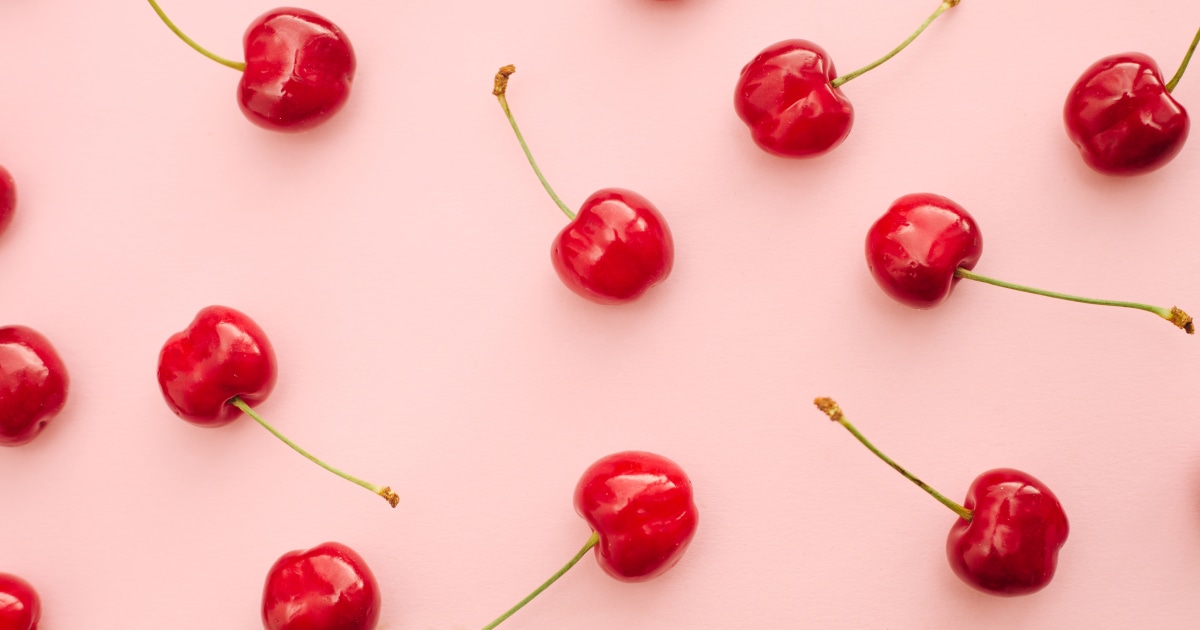
Cherries are rich in anthocyanidins, which provide a deep red hue and anti-inflammatory benefits. Eating cherries is associated with lower inflammation, blood pressure and post-exercise muscle soreness, research shows.
There’s also evidence that cherries may help improve memory in older adults, per the Cleveland Clinic.
Oranges
Oranges are best known for their vitamin C content, but this popular citrus fruit also contributes a significant amount of flavanones to the diet, Zumpano explains.
Fresh oranges are rich in the flavanone hesperidin, which scavenges free radicals, protects the heart and liver, and promotes wound healing. Studies show hesperidin has antiviral properties that may help fight off SARS-CoV-2 and reduce inflammation caused by viral infections.
Onions
Onions, primarily red and yellow varieties, are one of the richest sources of flavonols.
These aromatic vegetables are particularly rich in quercetin, known for inhibiting inflammatory enzymes that contribute to oxidative stress and the development of chronic disease. Research suggests quercetin also has potent antimicrobial and anticancer properties.
Apples
Apples contribute a significant amount of flavonoids in the typical American diet, research shows. This juicy fruit is rich in flavonols, including quercetin and catechin, as well as anthrocyins, which give the skin its bright red color.
These plant compounds have been shown to promote heart and vascular health, says Zumpano. The flavonoids in apples are associated with a lower risk of all-cause mortality, research shows.
Red Grapes
Red grapes are delicious and loaded with flavonoids, including anthocyanins and flavonols, says Zumpano.
Flavonoid-rich red grapes are associated with benefits for the brain and central nervous system, a reduced risk of metabolic syndrome, and improved vascular function, research shows.
Yes, this means red wine is high in flavonoids too — but stick to the grapes to get your daily dose, says Zumpano. “More and more data has come out that no amount of alcohol is beneficial for our health,” she notes.
Edamame
Soybeans are the best food source of isoflavones, a smaller subclass of flavonoids, says Zumpano.
Edamame, which are immature soybeans, are an excellent snack to increase your intake of these phytochemicals. The isoflavones in soybeans have estrogen-like effects, and research shows they may benefit bone health and prevent osteoporosis in postmenopausal women, TODAY.com reported previously.
Edamame is also rich in fiber and plant-based protein, making it a satiating snack.
If you’re looking to get more flavonoids, Zumpano recommends a foods-first strategy. “Then, look to other sources of flavonoids, like beverages,” says Zumpano.
In addition to these foods, other good sources of flavonoids include black tea, green tea, orange juice, cocoa, dark chocolate and cinnamon.