Cardiovascular diseases are still the leading cause of death worldwide. One of the main reasons for this is dyslipidemia: Abnormal levels of cholesterol and triglycerides, which gradually lead to plaque buildup in the arteries.
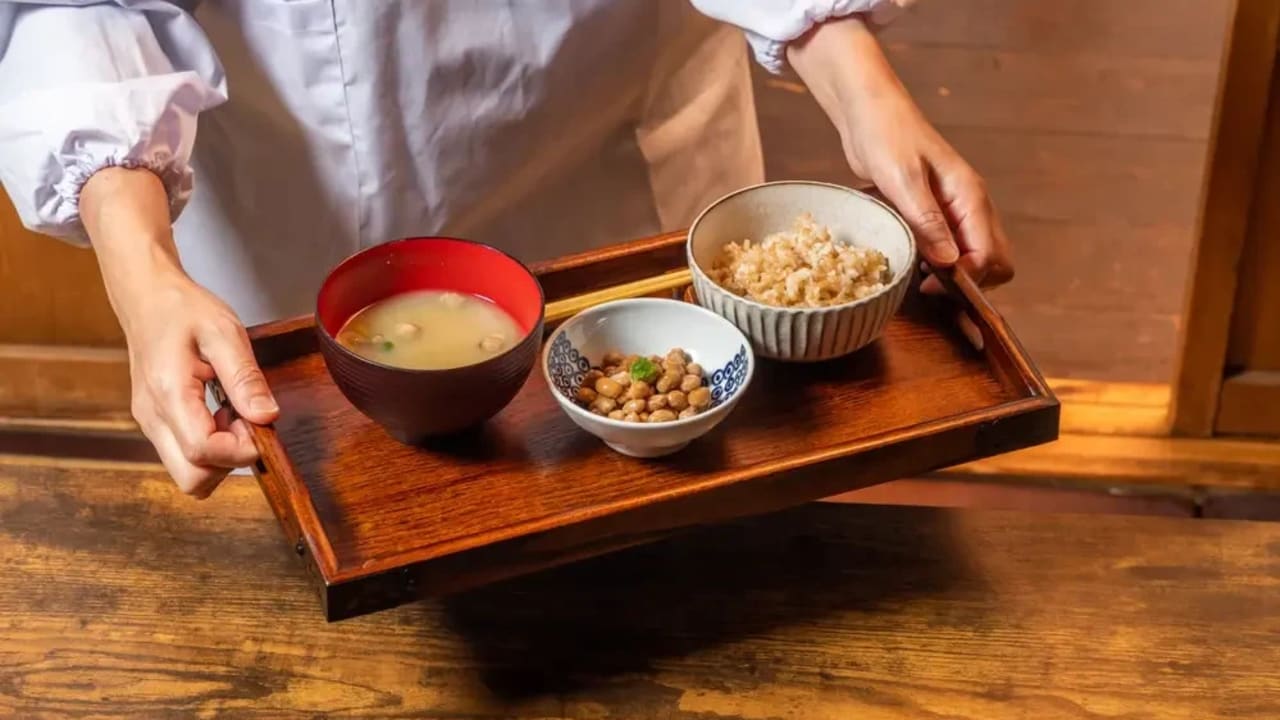
But part of the solution may actually come from a traditional Japanese food that is hundreds of years old.
A comprehensive scientific review recently published in the journal Nutrients examined the accumulating evidence surrounding nattokinase, an enzyme derived from fermented soybeans (natto), and found that it may improve the lipid profile and even slow the progression of atherosclerosis.
Why Is High Cholesterol So Dangerous?
When there are high levels of LDL (“the bad cholesterol”) and triglycerides, they deposit in the walls of blood vessels. This process is accompanied by chronic inflammation and over the years creates narrowing of the arteries.
Dangerous Consequences Of High CholesterolCoronary heart diseaseHeart attackStrokeFatty liverDiabetesPancreatitis
Although there are effective medications such as statins and fibrates, not all patients tolerate them well, and some are looking for complementary solutions.

Nattokinase is an enzyme produced during the fermentation process of soybeans by the bacterium Bacillus subtilis natto. It was originally studied for its ability to break down blood clots, but in recent years it has become clear that it also has a significant effect on lipid metabolism.
According to the review, it works through several mechanisms simultaneously:
• Activates enzymes that break down triglycerides
• Increases the clearance of fats from the blood
• Inhibits the main enzyme involved in cholesterol production in the liver (the same enzyme that statins block)
• Raises HDL (“the good cholesterol”)
• Reduces inflammation and improves blood vessel function
In other words, not only lowering cholesterol, but also affecting the inflammatory and atherosclerotic environment itself.
What Did The Studies Show?
In an 8-week study, taking 2000 activity units (FU) per day of nattokinase led to:
● A reduction of about 10% in total cholesterol
● A reduction of about 18% in triglycerides
● A reduction of about 11% in LDL
● An increase of about 8% in HDL
Compared to the placebo group, this was a significant change.
In another study that included 1062 participants who took a dose of 10,800 activity units (FU) of nattokinase per day for 12 months, the following were found:
● A reduction of 15.9% in total cholesterol
● A reduction of 18.1% in LDL
● A reduction of 15.3% in triglycerides
● An increase of 15.8% in HDL
● A reduction of 36% in plaque area in the arteries
● A reduction of 21.7% in arterial wall thickness (IMT)
And without significant side effects during the year.
How Does It Compare To Statins?
Statins are considered the most effective treatment for reducing LDL, and sometimes lower it by 30%-50% or even more.
However, nattokinase offers several potential advantages:
● A relatively high safety profile
● A multi-system effect (lipids, inflammation, coagulation)
● An option for people who do not tolerate statins
● A complementary tool within lifestyle modification
It is important to emphasize: It is not a sweeping substitute for drug therapy in high-risk patients, but it may be integrated into a broader preventive approach.
Is It Safe?
According to the existing data, side effects are rare and sometimes include mild gastrointestinal discomfort. In addition, there is good safety even with long-term use.
However, people taking blood thinners or those suffering from clotting disorders should consult a physician before taking it.
What Does This Mean In Practice For You?
If you are dealing with slightly elevated cholesterol, borderline triglycerides or early findings of atherosclerosis- this study suggests that there is another tool in the toolbox.
Nattokinase is not a “magic pill,” and it does not replace proper nutrition, physical activity and medical treatment when needed. But it may serve as:
● A complementary option for those seeking a more natural approach
● Additional support alongside drug therapy
● A preventive strategy in early stages
The main message from the review is clear. Blood vessel health does not depend only on the numerical value of LDL, but on the overall picture of inflammation, coagulation and lipid metabolism, and nattokinase acts on several of these axes simultaneously.
The research is still evolving, but it seems that this veteran Japanese enzyme is beginning to gain a serious place in the modern cardio-metabolic discourse.
Dr. Dalit Draiman-Medina Is A Specialist In Family Medicine And Integrative And Functional Medicine