ORANGEBURG, SC (WACH) — Health groups are teaming up to address health disparities in rural communities, where access to care and education can be limited and chronic conditions like diabetes are widespread.
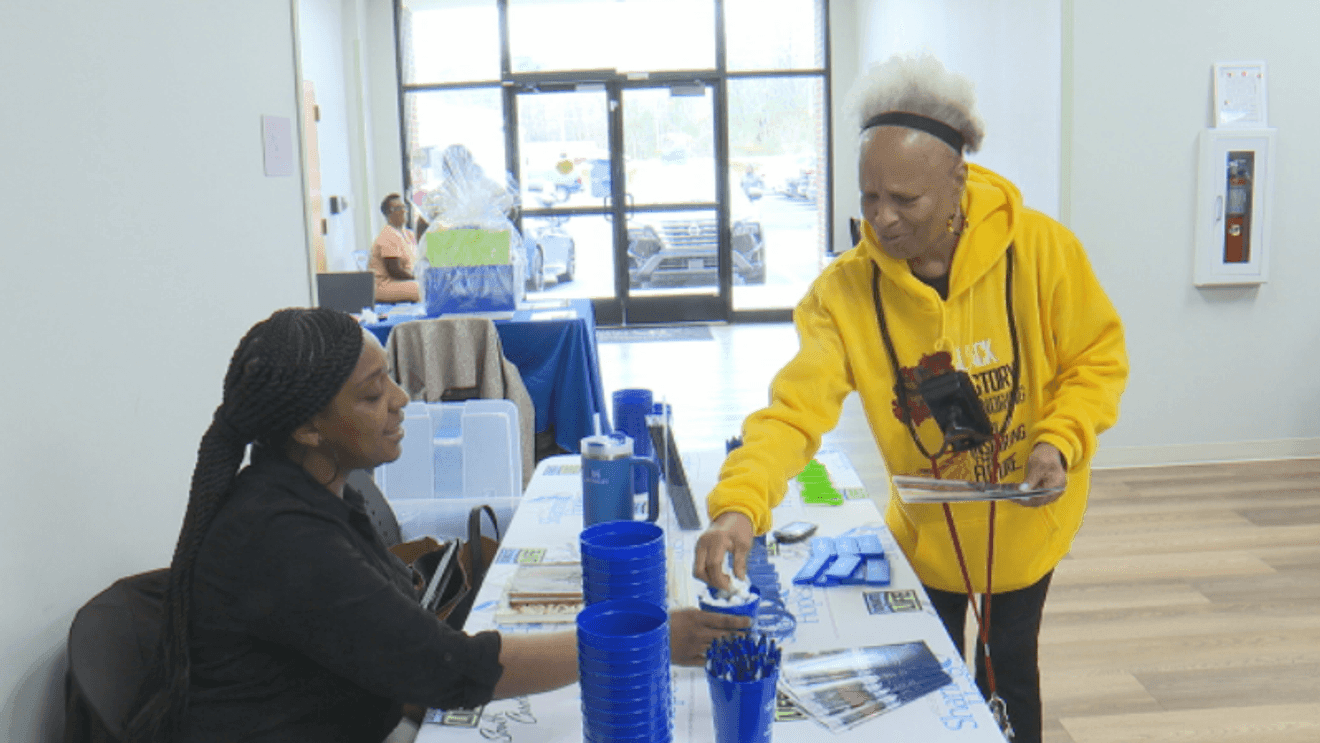
In Orangeburg, Family Health Centers Inc. hosted a free Diabetes Wellness Expo on Thursday at the Family Health Centers training center, drawing dozens of people seeking information, resources and support.
Diabetes patient Sandra Guinyard said the event offered both practical help and a sense that the community’s needs are being recognized.
I’m pleased to see the people come through this door, to see the fresh fruit to see the vegetables, and see the good products that’s free for us the information to send us different places. The doors are open for us!” Guinyard said.
After attending the expo, Guinyard said many people in Orangeburg struggle to find consistent support.
“I think that it’s a lot of people that are glad to know that somebody is out for us because we don’t have people that’s interested in us that takes us serious,” she said.
Guinyard said she has been battling diabetes for years and that there are not many opportunities or places to go for help in Orangeburg.
Dr. Pamela Dugeon of Family Health Centers Inc. said diabetes remains a major concern nationally, with rural communities facing additional barriers.
“We rank extremely high in the nation in regards to occurrence of diabetes and its even more so in rural communities and we know that part of that is the inability or barriers to resources to health,” Dugeon said.
The expo was a group effort involving Family Health Centers, the YMCA and SC State, with a focus on bridging gaps between health care and rural communities. Dugeon emphasized prevention and awareness.
“The thing is that we need to educate ourselves regarding different measures we can do to prevent it including exercise, diet, speaking with your providers and doctors and being aware of what your status is,” she said.
Prisma Health officials said the need for services extends beyond Orangeburg and is a statewide issue.
Michelle Jasper, director of community and population health at Prisma Health, said transportation, provider shortages and limited access to medication and education can keep people from getting care.
“We know that from doing studies that people have decreased access to transportation, medical providers and medication, even medical education so Prisma, we have a mobile clinic that’s able to go to these areas,” Jasper said.
Jasper said the mobile clinic is designed to minimize disparities in rural communities and can help detect health problems earlier.
“When we go out to these areas, we’re able to provide early diagnosis or able to capture things so were able to capture diabetes early on, able to detect hypertension and were able to teach in the moment,” she said.
Prisma Health said the need continues to grow, but the organization is prepared to help people who need services through its mobile unit events.
Attendees do not need to worry about paying, but they do need a picture ID.