Increasing numbers of parents are refusing vitamin K shots for their newborns, putting infants at greater risk of avoidable brain injuries, according to a preliminary systematic review released February 26, 2026, that will be presented at the American Academy of Neurology’s 78th Annual Meeting taking place April 18-22, 2026, in Chicago and online.
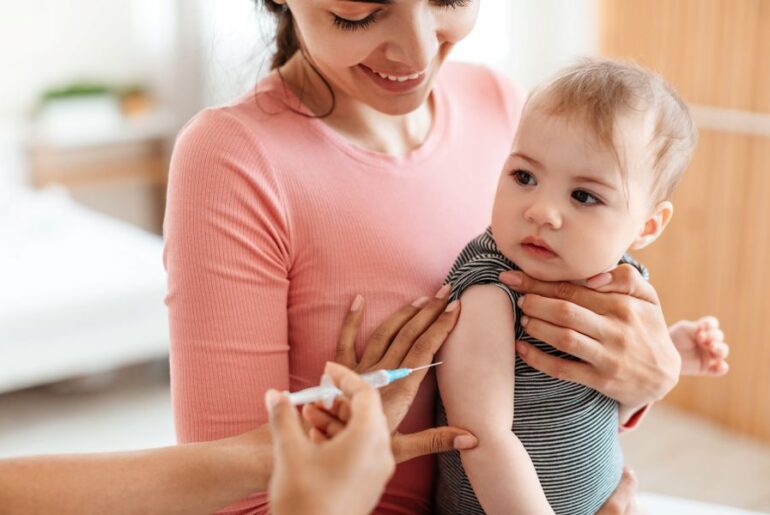
A vitamin K injection is a supplement that provides babies with an essential vitamin that is naturally low in newborns. It is not a vaccine. Vitamin K is needed to help blood clot. Getting a vitamin K shot right after birth can prevent a rare but serious condition called vitamin K deficiency bleeding. This condition can cause an intracerebral hemorrhage, a type of stroke, when a blood vessel bursts in the brain. It can lead to death or lifelong brain problems.
Vitamin K at birth is safe and effective, and while refusal is still uncommon with rates in the United States remaining under 1% in most hospitals, our review found in recent years, there have been increases in parents refusing this supplement for their newborns. This trend is concerning because our review also found that babies who do not get the vitamin K injection are 81 times more likely to develop vitamin K deficiency bleeding.”
Kate Semidey, MD, study author of Florida International University, Miami
For the review, researchers looked at 25 studies with two decades of global data. The studies examined vitamin K refusal, the incidence of vitamin K deficiency bleeding and outcomes, parent reasons for refusal and possible links to vaccine refusal.
Researchers found in Minnesota, refusal rates rose from 0.9% in 2015 to 1.6% in 2019. In California, Connecticut, and Iowa, refusal ranged from 0.2% to 1.3% in 2018 and 2019, with over half of hospital staff perceiving increases.
Internationally, refusal rates ranged from 1% to 3% in Canada, New Zealand and Scotland, and more than 30% in some birthing centers.
Researchers found among case series reports of the babies who had vitamin K deficiency bleeding, approximately 14% of the babies died, about 40% had long-term neurological disabilities such as cognitive impairment, seizures or motor deficits and about 63% of babies had brain bleeds.
They also found that parents who refused vitamin K for their babies were more likely to skip other recommended health protections. In the U.S., parents who refused vitamin K were 90 times more likely to refuse both the hepatitis B vaccine and eye medicine meant to protect newborns from potentially blinding infections. In Canada, those who refused vitamin K were 15 times more likely to not have their child vaccinated by 15 months old. In New Zealand, they were 14 times more likely.
Parental concerns included pain, preservatives and belief in inaccurate information.
“Our findings point to an urgent need for health care professionals to provide prenatal counseling to parents to ensure they understand that vitamin K can dramatically reduce preventable brain injury and its lifelong impact,” said Semidey.
A limitation of the study was that it reviewed previously published research rather than following infants over time, so it did not determine the exact risk for any individual baby.
Source: