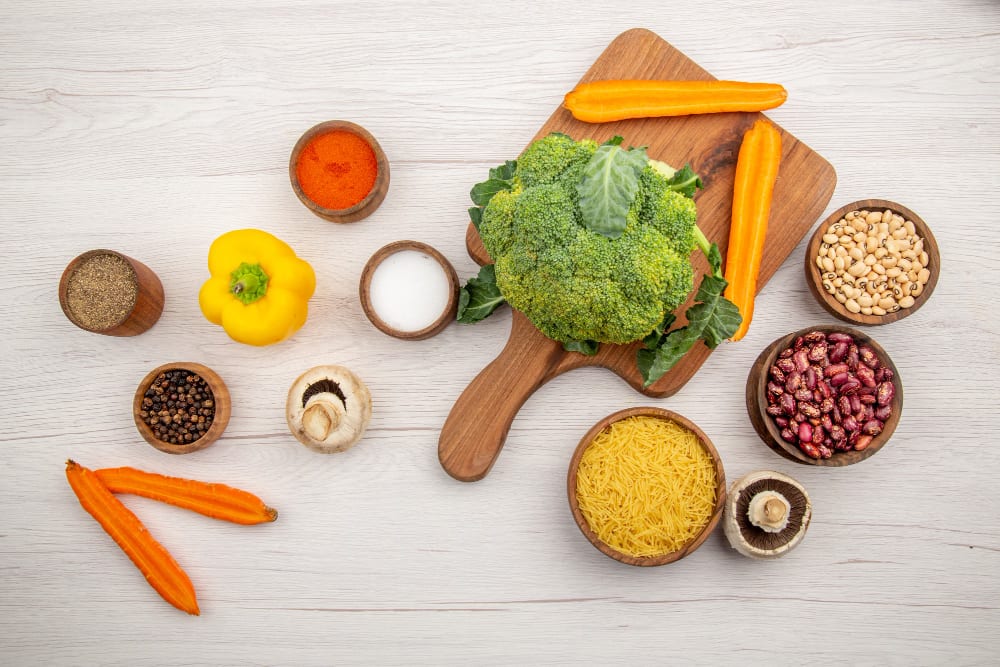
What does it actually mean to increase immunity?
You cannot “boost” your immunity like a physical object. A super-active immune system is actually harmful. What you really want is to balance your immune response. Eating specific foods helps support your immune cells so they can do their job efficiently.
Most people think one magical fruit will keep them safe. It does not work that way. The top articles on Google tell you what to eat. They list oranges and garlic. That is good.
But they miss a major piece of the puzzle. They forget to talk about bioavailability. That’s a fancy word for how well your body can actually use what you eat. If you eat the right food wrong, your body gets nothing. We will fix that gap today.
Why is bioavailability the secret to nutrient power?
Bioavailability is the amount of a nutrient your body successfully absorbs from food. For example, your body struggles to absorb curcumin from turmeric on its own. Adding black pepper can increase that absorption by up to 2,000%.
This is the huge missing perspective I mentioned. It’s not just about what you eat. It’s about how you eat it.
Many food items to increase immunity are almost useless if you eat them solo. Your body only has a limited ability to extract the good stuff. If you eat fat-soluble vitamins (like D and A) without fat, they just pass right through you.
A 2025 clinical review published in the Journal of Functional Foods showed that individuals who consumed vitamin-C rich foods with sources of essential fatty acids had a statistically significant, higher concentration of immune-supporting nutrients in their blood. The key is in the pairing, not just the food.
Which fruits can really help your immune system?
Citrus fruits like oranges and grapefruits are famous for Vitamin C. This nutrient increases the production of white blood cells. These are your key fighters against infections. Other great fruits include papayas and kiwi, which also offer Vitamin C and other antioxidants.
The common advice is correct here. Vitamin C is vital. But the government source, MyPlate.gov (USDA), reminds us that a variety of fruits is better than just overloading on one. Different fruits have different antioxidants. These antioxidants protect your cells from damage.
How does gut health affect your overall immunity?
A massive 70% of your immune system lives in your gut. Foods that support your microbiome (the good bacteria in your stomach) directly improve your immunity. If your gut is not healthy, your immune response will be weak, regardless of how much Vitamin C you take.
This is a huge connection that people miss. Your gut and immune system talk to each other constantly. If you want food items to increase immunity, you must include probiotic foods. Think of them as training partners for your immune cells.
When you support that friendly bacteria, you create a stronger line of defense. Foods like plain yogurt and kefir are fantastic options.
Are vegetables as good as fruits for immunity support?
Yes, vegetables are critical for immune balance. Red bell peppers actually contain more Vitamin C than oranges. Green leafy vegetables like spinach provide Vitamin A, which helps maintain the health of your skin and breathing tubes. This keeps germs from getting in.
I always tell my friends to look at vegetables as the foundation. They give you the fiber your gut bacteria need to survive. It’s not just about the micronutrients. It’s about maintaining the entire system.
A Quick List of Powerful Immune-Supporting Foods
Red Bell Peppers: Highest source of Vitamin C.
Ginger: Reduces inflammation and sore throat pain.
Garlic: Contains allicin to help fight infections.
Almonds: Vitamin E protects cells from damage.
Turmeric: Curcumin is a strong anti-inflammatory (must add black pepper!).
Why should you pair specific foods for better results?
Pairing foods unlocks synergy. The fat in an avocado helps your body absorb the Vitamin A in a spinach salad. This synergy ensures you get the maximum impact from your food items to increase immunity, preventing wasting money on nutrients your body can’t use.
Let’s go back to our missing piece. This is how you implement it. When you cook, think about synergy.
If you make a curry with turmeric, you add pepper. If you eat a salad, you add an olive oil dressing. This small shift can triple the immune support you get from your meal. This is what an expert friend wants you to know.
How does sleep quality relate to what you eat?
Sleep is not a “food,” but it is vital for immune function. Poor sleep increases stress hormones like cortisol. Cortisol actively suppresses your immune system. If you eat perfectly but don’t sleep, your efforts are wasted.
I cannot stress this enough. People search for food items to increase immunity but completely ignore their sleep.
When you sleep, your body produces cytokines. These are small proteins that target infection. No amount of spinach can replace the cytokines you make during a solid 8-hour sleep. You have to treat sleep as a nutrient itself.
Can sugar and processed foods damage your immunity?
Yes, excessive sugar significantly weakens your immune response. Eating too much sugar can “paralyze” white blood cells for up to five hours after consumption. Processed foods increase inflammation, which distracts your immune system from fighting actual threats.
The real trick is sometimes what you stop eating. It isn’t just about adding new food items to increase immunity. It’s also about removing the food that breaks it down. Sugar is a major culprit. It competes with Vitamin C to enter your cells, and when it wins, your defense drops.
As your expert friend, I’m telling you this not to make you feel guilty. I just want you to succeed. Your body is amazing at protecting you. It just needs the right balanced support. Focus on variety, bioavailability, and consistent habits.