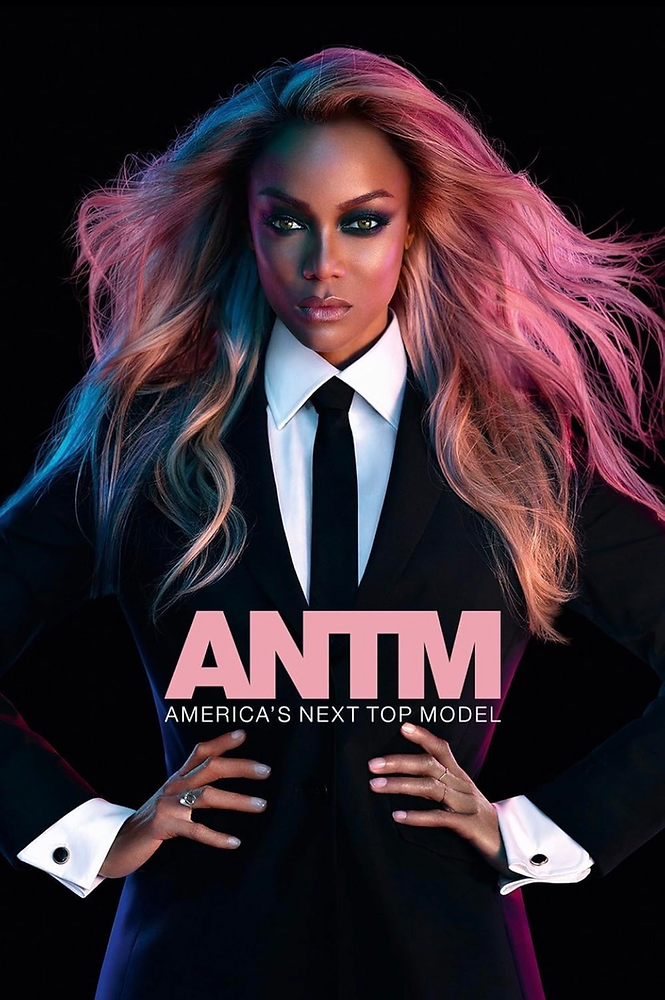
America’s Next Top Model, the influential reality competition series that aired from 2003 to 2018, reshaped the fashion industry while redefining beauty standards in both popular culture and everyday life.

Hosted by supermodel Tyra Banks, the show transformed aspiring young women into professional models by teaching them posing, runway walking, etiquette, photoshoots, castings, and experiencing go-sees. In 2024, VICE released the documentary “The Dark Side of Reality TV,” which featured perspectives from former contestants and reignited public debate about the show’s impact and intentions. This conversation has continued into 2026, as Netflix revisits the controversy through interviews with Tyra Banks, notable contestants, and the show’s judges.
The show has seen so much success and influence around the world, gaining over 5 million views on average between cycles 1-9, with various countries producing their own franchises of the show, including Germany, Britain, Canada and Africa, and contestants who go on to pursue modelling and acting careers, such as Winnie Harlow and Cycle 3 winner Eva Marcille.
However, the success of the show brought controversy from the very beginning, as it highlighted issues of racial discrimination, bias against plus-size contestants, and the disparagement of societal insecurities that many contestants faced. It also raised questions about whether the show’s producers considered the contestants’ needs when pushing them to overcome challenges.

One notable moment occurred with Toccara Jones, the first plus-size contestant on Cycle 3. She faced heavy criticism from judge Janice Dickinson regarding her weight, with Janice infamously saying, “If the body could just slim down 150 pounds, that would be good.” In a conflicting statement, she remarked that Toccara was “the first plus-size girl who could make it,” only to later state, “America’s Next Top Model is not a plus-sized model, I’m sorry!” While Tyra Banks defended Toccara, the harsh treatment of plus-size models was noticeably evident.
Another example is Keenyah Hill from Cycle 4, who was criticised for the amount of retouching required on her photos due to weight gain during the show. Additionally, there were numerous subtle attacks on contestants’ physical appearances; for instance, during Cycle 3, Kelle Jacobs faced constant criticism that destroyed her confidence. In a particularly distressing moment, she looked in the mirror, cried, and called herself ugly. Instead of receiving support, she was often told that she was making excuses for her “bad” photos and failing to grasp what the judges were looking for.

Focusing on the challenges and tasks presented on the show, there were also many controversial decisions. For example, one challenge required the contestants to dress up as individuals from other countries, which included elements of blackface. Despite the potential for outrage and offence, these choices were still made. Other challenges often exploited the contestants’ personal struggles, such as the casket photoshoot, during which one contestant learned about a tragic event in her life: a friend had passed away the day before. In addition, many of these challenges did not consider contestants with disabilities, particularly blind contestants who had to walk the runway or pose in complete darkness. There was also a lack of sympathetic understanding from judges and peers regarding their conditions.
These incidents sparked outrage and had a significant impact on future contestants and young girls who always wanted to be models. There was a collective tendency to maintain appearances, with some girls not eating, questioning their beauty, and ultimately being afraid to speak up and seek help.

In 2026, several clips have resurfaced on social media, particularly the famous moment when Tyra Banks exclaimed, “We were all rooting for you,” during a heated exchange with a contestant. This has sparked significant discussion about Tyra’s practices and treatment of participants.
While it’s important to acknowledge that the modelling industry once had strict qualifications for models, we can also agree that Tyra Banks played a significant role in diversifying the industry and redefining the conventional image of a model during that period. However, some critics argue that her approach may not have been entirely appropriate.

Today, the modelling industry is working towards building an inclusive community. This includes featuring models of various races on the runways, creating a category for petite-sized models, and including models with disabilities. Beauty standards have shifted significantly; features such as gap teeth and freckles are now celebrated, and there is a greater representation of plus-sized models. This transformation could not have happened without the platform provided by “America’s Next Top Model.”
The new Netflix documentary “Reality Check – Inside America’s Next Top Model” was released on February 16, 2026, and explores the reasons behind Tyra Banks and the judges’ behaviours on the show. It highlights the testimony of former contestants about their experiences and how the show affected them personally and the wider community. Additionally, judges who were involved in many of the controversies also shared their insights.