Key Takeaways
Women need 600 International Units (IU) of vitamin D daily until age 70.Older adults need more vitamin D because making it from sunlight gets harder with age. Skin with more melanin needs extra sunlight for enough vitamin D.
Vitamin D, often called the “sunshine vitamin,” is essential for women’s health. It supports bones, mood, immunity, healthy pregnancies, and more, whether from sunlight, food, or supplements.
What Are the Daily Needs for Vitamin D?
The Recommended Dietary Allowance (RDA) for vitamin D is the following for women:
Ages one to 70 years: 600 International Units (IU) or 15 micrograms (mcg)Older than 70: 800 IU or 20 mcgDuring pregnancy and lactation: 600 IU or 15 mcg
Fat enhances vitamin D absorption. Many fortified food sources of vitamin D, like dairy products, already naturally contain fat. Other sources of fat include oil, nuts, and seeds.
Most women do not consume the RDA for vitamin D. Still, they can meet their vitamin D needs through sun exposure and a combination of foods.
What Factors Affect Vitamin D Needs in Women?
1. Sunlight Exposure
Exposure to sunlight is essential for the body to produce vitamin D. About 80% of vitamin D in the body comes from the sun.
Balancing the risk of ultraviolet (UV) exposure with the need for vitamin D is tricky. However, research shows that protecting skin from UV rays with sunscreen does not meaningfully impact vitamin D levels.
A person’s vitamin D levels dip in seasons with less light, like winter. Individuals who spend significant amounts of time indoors may require more vitamin D from other sources—people who always cover their bodies when outside are at a greater risk of a vitamin D deficiency.
2. Age and Life Stage
Vitamin D is necessary for infants. Although breast milk contains some vitamin D, it is not enough to meet the RDA of 10 mcg. Breastfed infants should receive supplemental vitamin D. However, formulas contain sufficient vitamin D, so supplementation is unnecessary.
Older adults have higher vitamin D requirements. The body’s ability to produce vitamin D from sunlight decreases with age. Additionally, older adults may be more likely to spend more time indoors.
3. Skin Tone
Melanin is a pigment that gives skin its color. It also filters UV light and protects skin against sun damage. Higher melanin levels cause darker skin pigmentation.
People with skin that has more melanin typically need more sunlight to get enough vitamin D. This can be more challenging during winter months or in lower light. Conversely, skin with less melanin gets vitamin D from the sun more easily.
4. Geographic Location
Vitamin D production increases at higher altitudes because of greater UV exposure. Conversely, smog, cloud cover, and thicker ozone layers limit the amount of UV radiation that reaches the skin.
Locations further from the equator at higher altitudes experience less sunlight in the winter and more in the summer. This contributes to seasonal differences in vitamin D status.
5. Other Factors
Health conditions that affect nutrient absorption impact vitamin D requirements, which include:
Gastric procedures: Procedures, like gastric bypass, affect the upper small intestine, where vitamin D is absorbed.
Gastrointestinal conditions: Certain conditions, such as celiac disease, Crohn’s, and ulcerative colitis, impact fat absorption, which increases the risk of deficiency.
People with obesity: Vitamin D is stored in fat (adipose) tissue. People affected by obesity tend to have lower levels of circulating vitamin D.
People with alcohol use disorder: Regular, excessive alcohol use (for women, eight or more drinks per week or four or more on any day) may reduce vitamin D levels.
Tobacco use: Tobacco use can lower vitamin D levels.
What Health Benefits Does Vitamin D Provide for Women?
Research on the importance of vitamin D continues to evolve, with more evidence supporting its essential role in female health. Maintaining adequate vitamin D levels has benefits, including:
Bone health: Women reach peak bone mass around 30. Vitamin D is essential for supporting bone mass accumulation. Significant bone remodeling occurs post-menopause, requiring adequate vitamin D levels to prevent bone loss. Research found supplementing with vitamin D and calcium reduces the risk of total and hip fractures by 15% and 30%, respectively.
Immune function: Vitamin D plays a key role in immune health by helping regulate inflammation, supporting the body’s defense against pathogens, and reducing overactive immune responses linked to autoimmune diseases. It may also support a healthy gut microbiome. Low levels are tied to higher risks of infections and autoimmune conditions like Hashimoto’s disease.
Mood regulation: Vitamin D plays a role in brain health by interacting with neurons and influencing mood-related neurotransmitters like serotonin and dopamine. Low vitamin D levels are linked to depression, including during pregnancy and postpartum. However, research on whether supplements improve symptoms is mixed. However, more research is needed.
Pregnancy: About 40% of pregnant individuals are vitamin D deficient, which is associated with pregnancy complications. Ensuring adequate vitamin D concentrations during pregnancy may improve pregnancy outcomes. Low vitamin D levels are linked to a higher risk of miscarriage, preeclampsia, and low birth weight, though more research is needed. Adequate vitamin D may also improve in vitro fertilization (IVF) success and reduce the risk of severe postpartum bleeding, but further studies are required.
How Do I Know My Vitamin D Status?
A vitamin D blood test measures 25-hydroxyvitamin D (calcidiol), the circulating form of vitamin D. Calcidiol reflects vitamin D from sun exposure, supplements, and food.
Experts define vitamin D status for adults based on the following values of 25-hydroxyvitamin D:
Deficient: less than 12 nanograms per milliliter (ng/mL)Inadequate: 12 to 20 ng/mLAdequate: 20 to 50 ng/mL
Blood tests enable you to check your vitamin D status and adjust your routine accordingly, whether that includes adding or changing a supplement dosage.
What Are Ways to Get More Vitamin D?
There are three ways to get vitamin D, which include:
Sunlight: Sunlight is the best natural source of vitamin D, with peak production occurring between 10:30 a.m. and 1:30 p.m. However, this is also when the risk of sun damage is highest. Fortunately, sunscreen (SPF up to 30) minimizes vitamin D production, so you can protect your skin while supporting healthy levels.
Food sources: Natural food sources of vitamin D include rainbow trout and Atlantic salmon. Eggs and mushrooms (exposed to ultraviolet light) are good sources. Many food products have vitamin D added. Fortified food sources of vitamin D include 2% milk and soy milk.
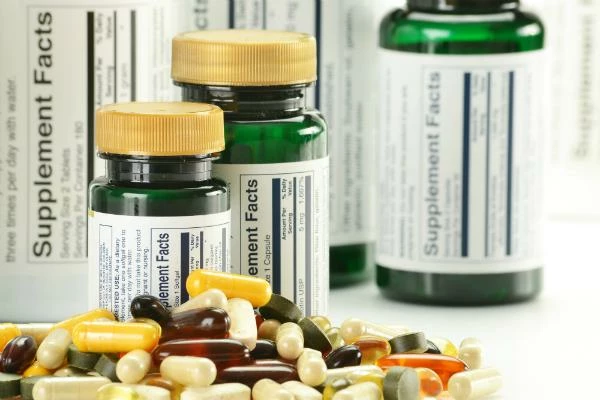
Supplements: Vitamin D comes in two forms: D2 (plant-based) and D3 (often animal-based but also derived from lichen). The body absorbs them both well. Research suggests D3 may raise vitamin D levels more effectively, but both forms are beneficial. The best dosage depends on your current vitamin D status, so it’s important to consult with a healthcare provider or dietitian.
Side Effects
Avoid vitamin D if you’re allergic to it or its components (parts). Seek immediate medical attention if you have a severe allergic reaction (itching, hives, shortness of breath).
Vitamin D is toxic in excessive amounts. Vitamin D toxicity is possible from supplements, not food or sun exposure.
Can You Take Too Much Vitamin D?
Too much vitamin D increases calcium absorption in the digestive tract, contributing to high calcium (hypercalcemia). In severe cases, vitamin D toxicity causes kidney failure, calcification of soft tissue throughout the body, heart issues, and even death.
Because of the health effects associated with excessive intake, the tolerable upper limit for vitamin D is 4,000 IU daily for women ages 9 and older and those who are pregnant and lactating.
Vitamin D Interactions
Be mindful of vitamin D when using the following medications:
Orlistat: The weight-loss drug Orlistat reduces fat and vitamin D absorption.
Steroids: Corticosteroids (such as prednisone) affect vitamin D metabolism, causing lower vitamin D levels.
Statins: Cholesterol is essential for the body’s production of vitamin D. Statins, which lower cholesterol, may also reduce vitamin D levels. Conversely, taking high doses of supplemental vitamin D may lower the effectiveness of statins.
Thiazide diuretics: Thiazide diuretics reduce calcium’s removal from the body. Taking vitamin D supplements with thiazide diuretics can increase calcium absorption, causing hypercalcemia.
Verywell Health uses only high-quality sources, including peer-reviewed studies, to support the facts within our articles. Read our editorial process to learn more about how we fact-check and keep our content accurate, reliable, and trustworthy.
National Institutes of Health Office of Dietary Supplements. Vitamin D.
Sassi F, Tamone C, D’Amelio P. Vitamin D: nutrient, hormone, and immunomodulator. Nutrients. 2018;10(11):1656. doi:10.3390/nu10111656
Raymond-Lezman JR, Riskin SI. Benefits and risks of sun exposure to maintain adequate vitamin D levels. Cureus. 2023;15(5):e38578. doi:10.7759/cureus.38578
Neale RE, Khan SR, Lucas RM, et al. The effect of sunscreen on vitamin D: a review. Br J Dermatol. 2019;181(5):907-915. doi:10.1111/bjd.17980
Ross AC, Taylor CL, Yaktine AL, Del Valle HB. Dietary reference intakes for calcium and vitamin D. National Academies Press (US).
Giustina A, Bouillon R, Dawson-Hughes B, et al. Vitamin D in the older population: a consensus statement. Endocrine. 2023;79(1):31-44. doi:10.1007/s12020-022-03208-3
Palacios C, Kostiuk LK, Peña-Rosas JP. Vitamin D supplementation for women during pregnancy. Cochrane Database Syst Rev. 2019;7(7):CD008873. doi:10.1002/14651858.CD008873.pub4
National Institute on Alcohol Abuse and Alcoholism. The basics: Defining how much alcohol is too much.
Ogunsakin O, Hottor T, Mehta A, et al. Chronic ethanol exposure effects on vitamin D levels among subjects with alcohol use disorder. Environ Health Insights. 2016;10:191-199. doi:10.4137/EHI.S40335
Weaver CM, Alexander DD, Boushey CJ, et al. Calcium plus vitamin D supplementation and risk of fractures: an updated meta-analysis from the National Osteoporosis Foundation. Osteoporos Int. 2016;27(1):367-376. doi:10.1007/s00198-015-3386-5
Liu C, Kuang X, Li K, et al. Effects of combined calcium and vitamin D supplementation on osteoporosis in postmenopausal women: a systematic review and meta-analysis of randomized controlled trials. Food Funct. 2020;11(12):10817-10827. doi:10.1039/d0fo00787k
Wimalawansa SJ. Infections and autoimmunity—the immune system and vitamin D: a systematic review. Nutrients. 2023;15(17):3842. doi:10.3390/nu15173842
Mikola T, Marx W, Lane MM, et al. The effect of vitamin D supplementation on depressive symptoms in adults: a systematic review and meta-analysis of randomized controlled trials. Crit Rev Food Sci Nutr. 2023;63(33):11784-11801. doi:10.1080/10408398.2022.2096560
Aghajafari F, Letourneau N, Mahinpey N, et al. Vitamin D deficiency and antenatal and postpartum depression: a systematic review. Nutrients. 2018;10(4):478. doi:10.3390/nu10040478
Fogacci S, Fogacci F, Banach M, et al. Vitamin D supplementation and incident preeclampsia: a systematic review and meta-analysis of randomized clinical trials. Clin Nutr. 2020;39(6):1742-1752. doi:10.1016/j.clnu.2019.08.015
Tamblyn JA, Pilarski NSP, Markland AD, et al. Vitamin D and miscarriage: a systematic review and meta-analysis. Fertil Steril. 2022;118(1):111-122. doi:10.1016/j.fertnstert.2022.04.017
Iliuta F, Pijoan JI, Lainz L, et al. Women’s vitamin D levels and IVF results: a systematic review of the literature and meta-analysis, considering three categories of vitamin status (replete, insufficient and deficient). Hum Fertil (Camb). 2022;25(2):228-246. doi:10.1080/14647273.2020.1807618
U.S. Department of Agriculture. Fish, trout, rainbow, farmed, raw.
U.S. Department of Agriculture. Fish, salmon, Atlantic, farmed, cooked, dry heat.
U.S. Department of Agriculture. Mushroom, white, exposed to ultraviolet light, raw.
U.S. Department of Agriculture. Eggs, grade A, large, egg whole.
U.S. Department of Agriculture. Milk, reduced fat, fluid, 2% milkfat, with added vitamin A and vitamin D.
U.S. Department of Agriculture. Soymilk (all flavors), unsweetened, with added calcium, vitamins A and D.
Ross AC, Manson JE, Abrams SA, et al. The 2011 report on dietary reference intakes for calcium and vitamin D from the Institute of Medicine: what clinicians need to know. J Clin Endocrinol Metab. 2011 Jan;96(1):53-8. doi:10.1210/jc.2010-2704

Amy Brownstein, MS, RDN, is a private practice dietitian and nutrition consultant based on the West Coast. She is passionate about translating nutrition science into digestible and actionable educational information and recommendations.
Thanks for your feedback!
What is your feedback?
Helpful
Report an Error
Other