All products featured on Ethos have been independently selected by our editorial team.
When you buy something through our links, Ethos may earn an affiliate commission.
These clean and mostly vegan K-Beauty brands are delivering that signature Korean glowy, dewy, glass-like skin without the nasty stuff.
K-Beauty’s new guard has a simple brief: formulas that respect the skin barrier, avoid controversial additives, and, crucially, leave toxic ingredients at the door. The result is a cohort of Korean brands that sit at the intersection of clean and vegan-leaning beauty, balancing sensorial textures with ingredient lists you can read without a chemistry degree.
“K-beauty revolves around nurturing [the skin] barrier–optimizing the hydration within and blocking out pollutants and environmental stressors,” Dr. Christine Hall, London-based general practitioner in medical aesthetics, told Vogue. “The whole regime centers around maximizing hydration of the skin or ‘skin flooding’ with product after product aimed at restoring the skin barrier and locking in hydration — no matter what your skin-type is.”
Why K-Beauty is so hot
Korean beauty has outpaced much of the global industry by pairing fast-cycle innovation with a skin-first philosophy: gentle actives, hydration layering, and daily SPF built into culture. Analysts point to rising exports and a widening Western footprint as proof. In 2024, Korea’s cosmetics exports exceeded $10 billion with skin care carrying the load; the United States was a growth engine, and social media discovery only accelerated the momentum.
“People who already have oily skin tend to look for more products that help manage their sebum production during the summer, and so we always recommend that if you have oily skin or clogged pores, to double cleanse with an oil cleanser first — which sounds counterintuitive, but oil cleans oil-based things,” Asian beauty expert Gillian Liu told Elle Canada. “It’s a cornerstone in Asian beauty.”
Classic K-Beauty innovations — think BB cream, cushion compacts, and essence toners — set the template for sheer, flexible coverage and hydration-forward routines that now dominate Western shelves. Those hallmarks, together with gentle exfoliants and centella-rich calming gels, helped redefine “daily” skin care as an exercise in maintenance rather than quick fixes.
A second driver is trust. Clean claims in the U.S. can be vague; K-Beauty’s most compelling players counter with full INCI lists, third-party certifications, and packaging shifts toward glass and post-consumer resin. Retailers helped codify the space: Clean at Sephora excludes a defined list of ingredient classes, while Credo’s Clean Standard publishes a living restricted-substances list and supplier code of conduct, giving shoppers clearer guardrails.
Regulation is evolving, too. As the U.S. Food and Drug Administration puts it, “The law does not require cosmetic products and ingredients, other than color additives, to have FDA approval before they go on the market,” which keeps retailer standards and brand transparency in the spotlight. South Korea has promoted non-animal methods for years, and China removed mandatory pre-market animal testing for many “general” cosmetics in 2021 if brands meet specific conditions — changes that have made cruelty-free positioning more feasible for global K-Beauty labels.
What ‘clean’ means in K-Beauty
Clean is a marketing term, not a legal category, so definitions vary by retailer and brand. In practice, the Korean labels highlighted here emphasize low-irritation formulas; avoid or limit certain parabens, phthalates, coal tar dyes, and mineral oil; and publish full INCI lists. Some pursue third-party verification (EWG Verified, COSMOS/Ecocert, Vegan Society, Eve Vegan), which — while imperfect — gives shoppers a concrete yardstick.
K-Beauty is famous for some icky ingredients, namely snail mucin, propolis, and honey, but a growing set of brands are going vegan, and many others run clearly labeled vegan ranges. A practical approach: check the brand’s testing policy and certifications, then scan product pages for bee- or snail-derived ingredients.
Clean-leaning K-Beauty brands
Glow Recipe
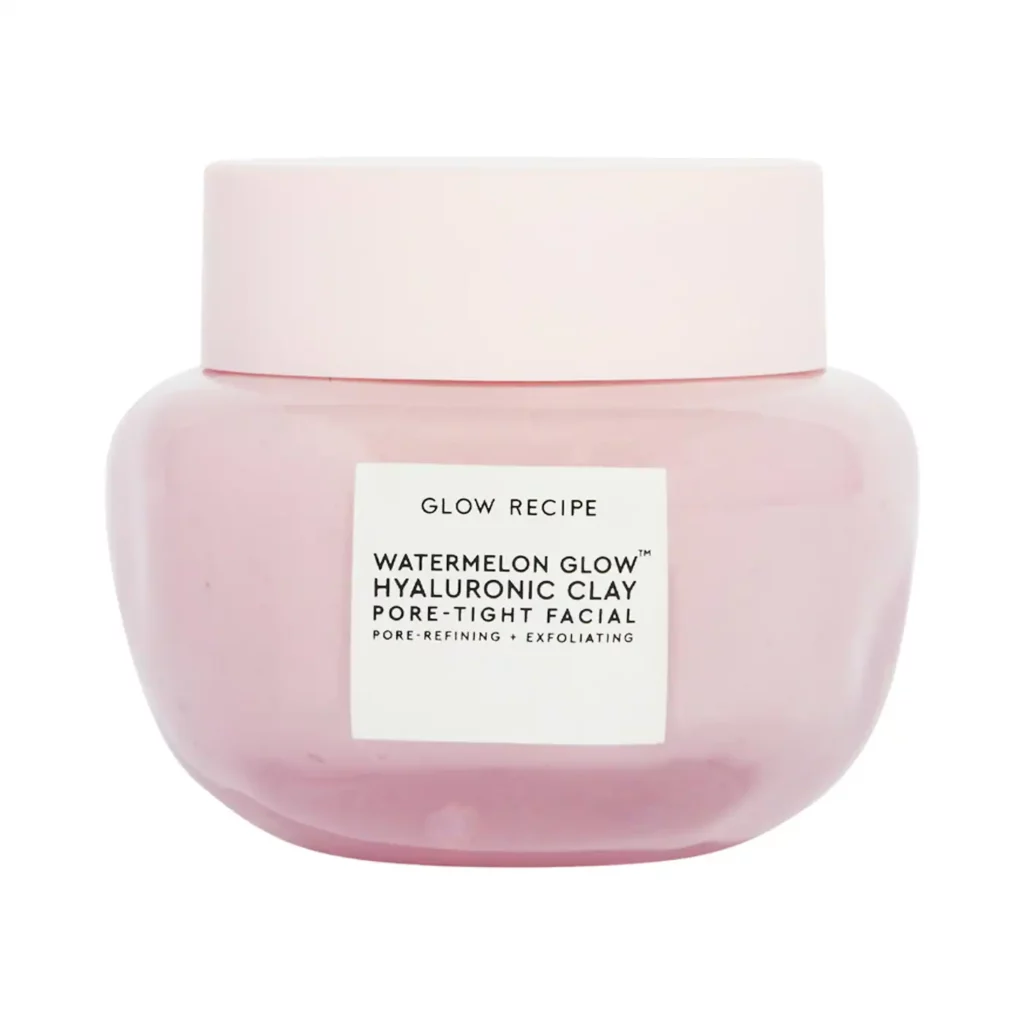
If dewy skin had a mascot, it would be Glow Recipe — the fruit-powered, clinically tested brand that pairs playful textures with serious results. The company states, “We provide full ingredient lists for complete transparency & our products are always clean, vegan and Leaping Bunny certified cruelty-free.” That clarity dovetails with national retail reach; Sephora carries a wide assortment, from serums to moisturizers, and the brand’s own U.S. site ships nationwide. For a glass-skin starter, the Watermelon Glow Niacinamide Dew Drops serum remains a best-seller for imparting reflective luminosity without shimmer.
Aromatica
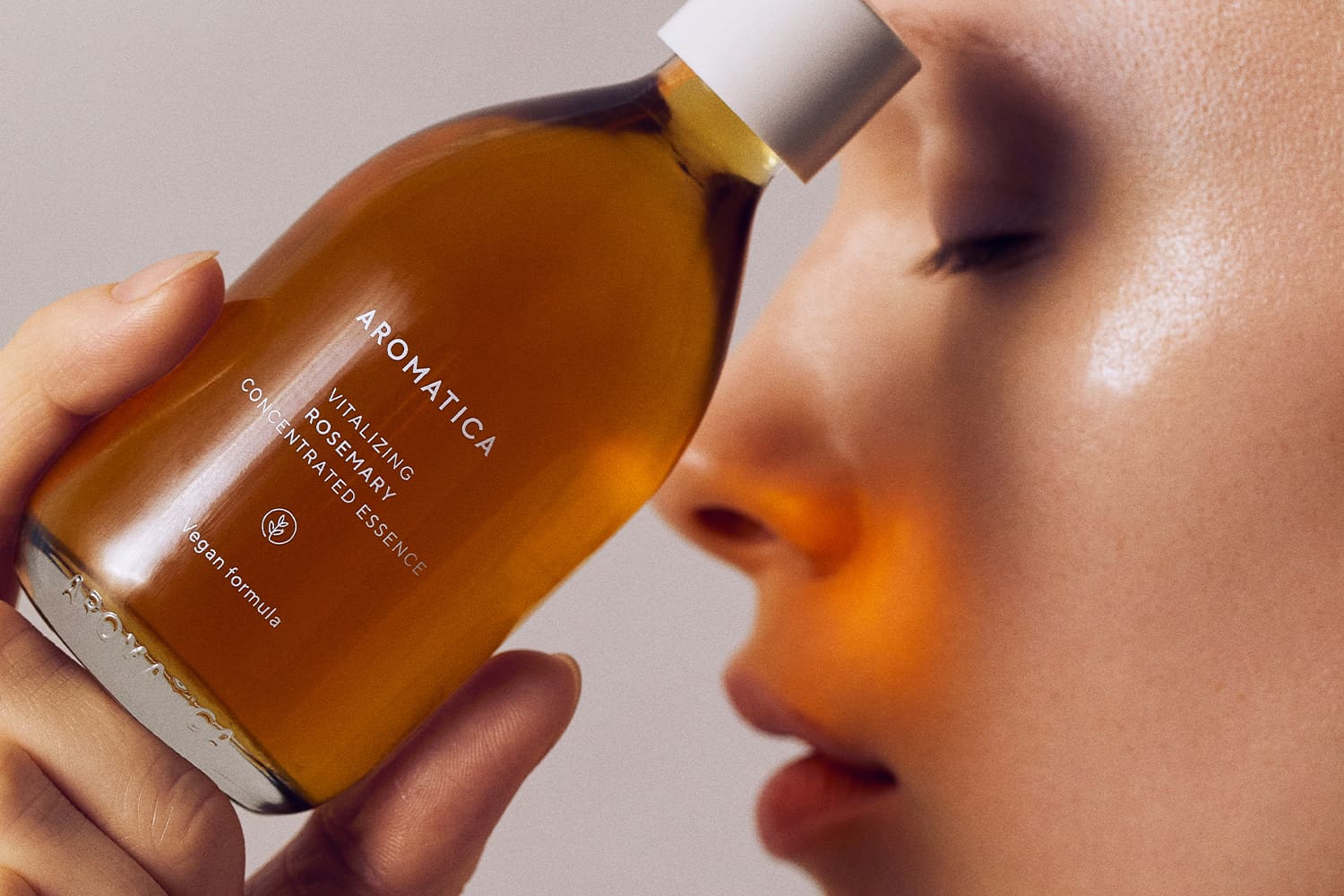
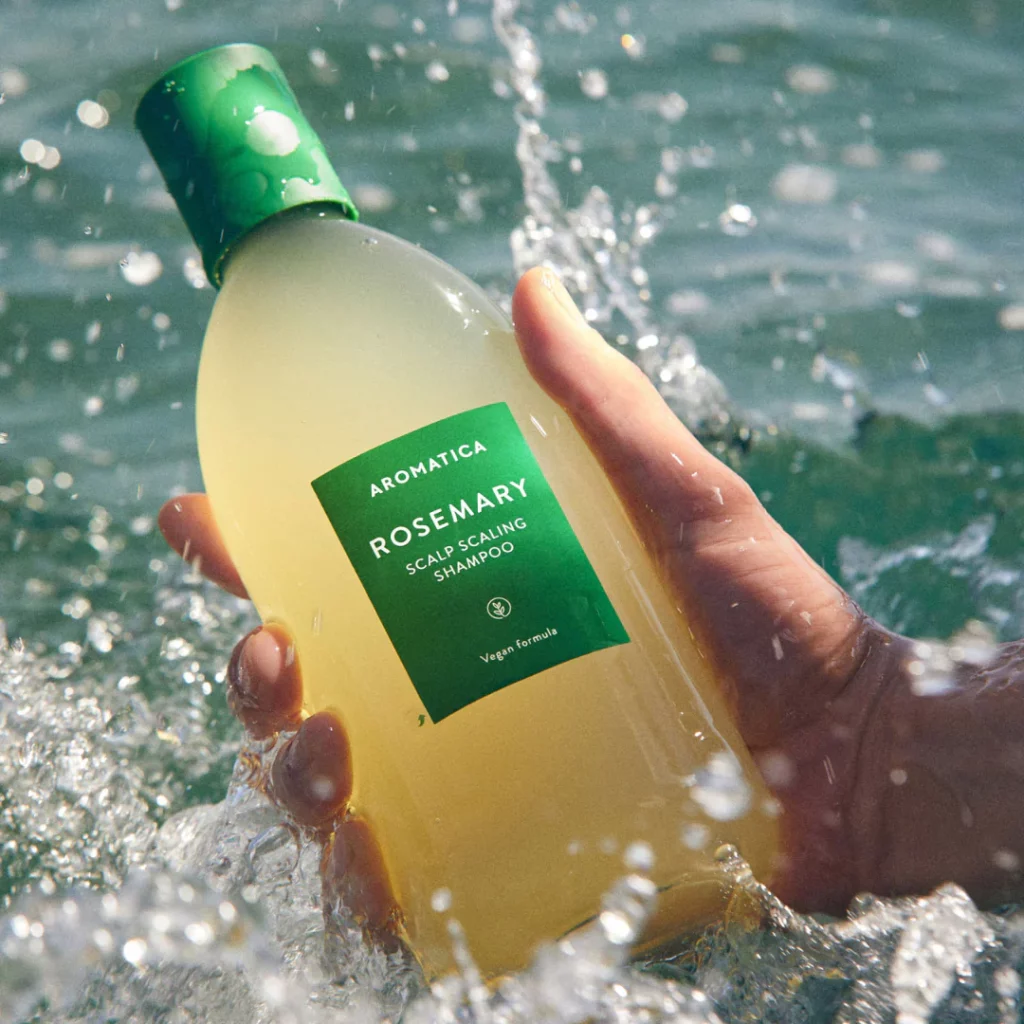
Aromatica is a veteran of clean formulation with bona fides to match. Its focus spans skincare, hair, and body, often in glass or recycled packaging, balancing efficacy with eco-considerations. U.S. shopping is simple via Amazon’s official storefront, and the global site ships as well. If you are scalp-care curious, Rosemary Root Enhancer has developed a stateside following for its lightweight, refreshing feel post-wash.
Bonajour
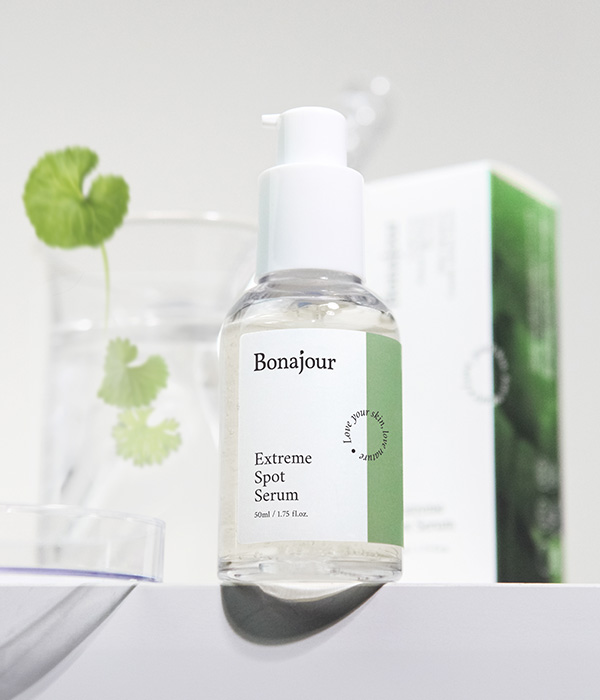
Bonajour leans into gentle, plant-centric formulas — think green tea, vitamin tree (sea buckthorn), and EWG-conscious basics — with an accessible price philosophy. The brand labels a number of its best-sellers vegan (Green Tea Water Bomb, a featherweight gel-cream, is a longtime favorite for oily or combination skin). Its U.S. presence is primarily through Amazon’s official brand storefront, which is well-stocked and ships quickly.
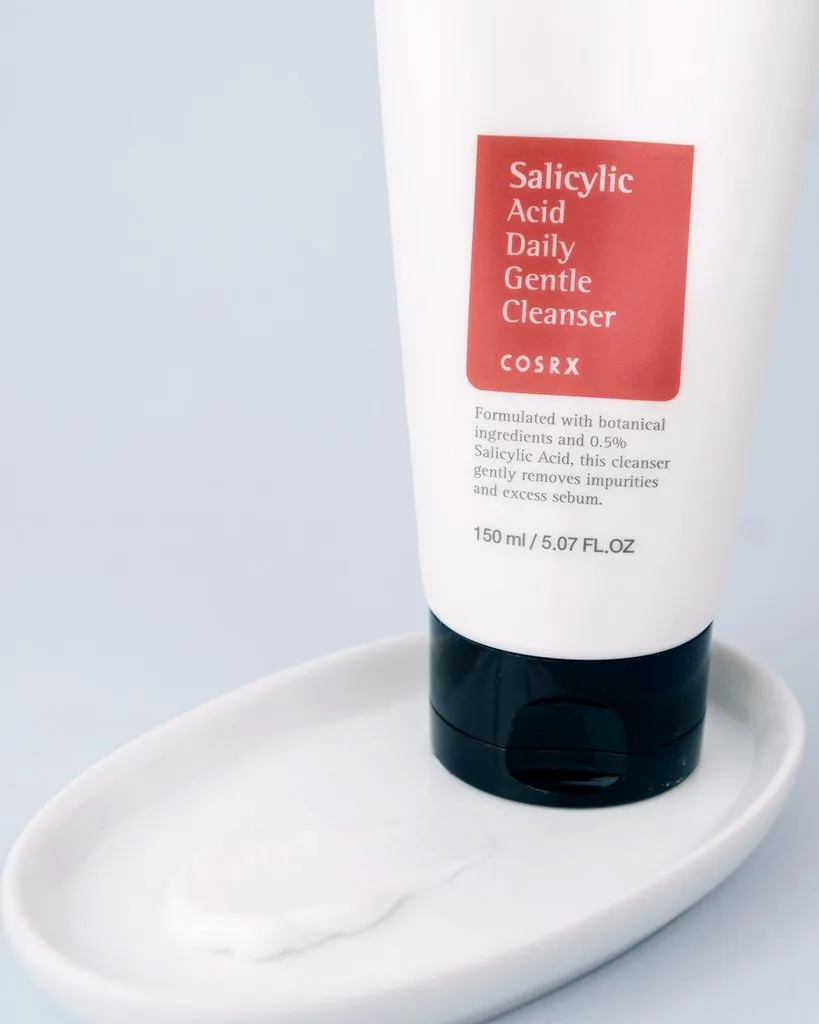
COSRX
COSRX built its reputation on pared-back, results-driven formulas — acids, barrier-support moisturizers, and the perennially viral snail mucin range. The brand is firmly cruelty-free; however, it is not fully vegan because some products contain animal-derived ingredients, a distinction many ethical beauty watchers emphasize. If you are steering vegan, choose non-animal-derived offerings in its lineup; if you are simply seeking high-performance basics, its acids and barrier creams are U.S. staples at Ulta Beauty and other major sellers.
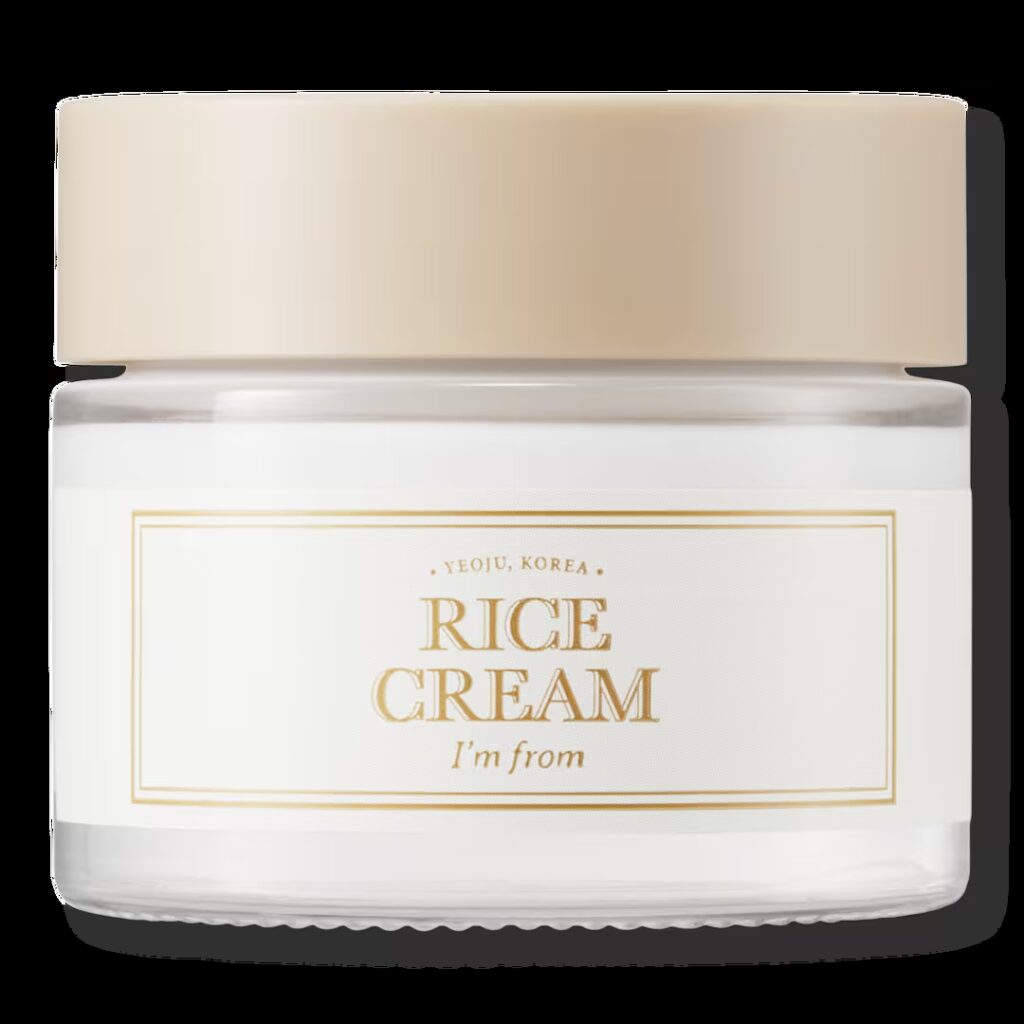
I’m From
This minimalist house spotlights single-origin hero ingredients like mugwort and rice in straightforward textures designed to be mixed and matched. The range reads “clean” by sensibility (shorter INCI lists, gentle bases), and select items are flagged vegan (for instance, the fan-favorite Mugwort Essence is described as a “Vegan Extract” on U.S. retail.) U.S. access is strongest through specialty retailers like Soko Glam, with an ever-rotating curation.
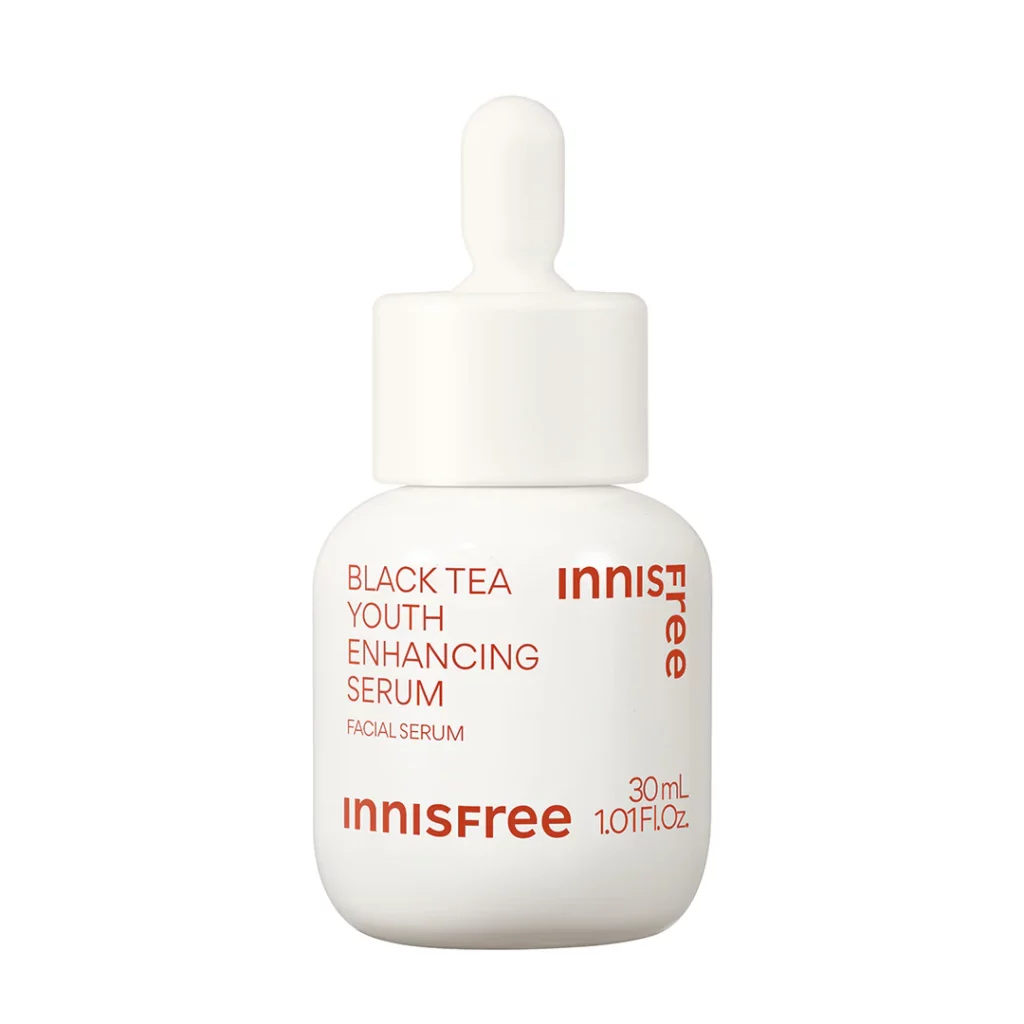
Innisfree
A global K-beauty ambassador, Innisfree adapts beautifully to U.S. standards. Certified cruelty-free by PETA, it also calls out Clean at Sephora status across numerous SKUs, making aisle navigation easy. The textures are modern and makeup-friendly (its Daily UV Defense Invisible Sunscreen remains a go-to for sensitive eyes).
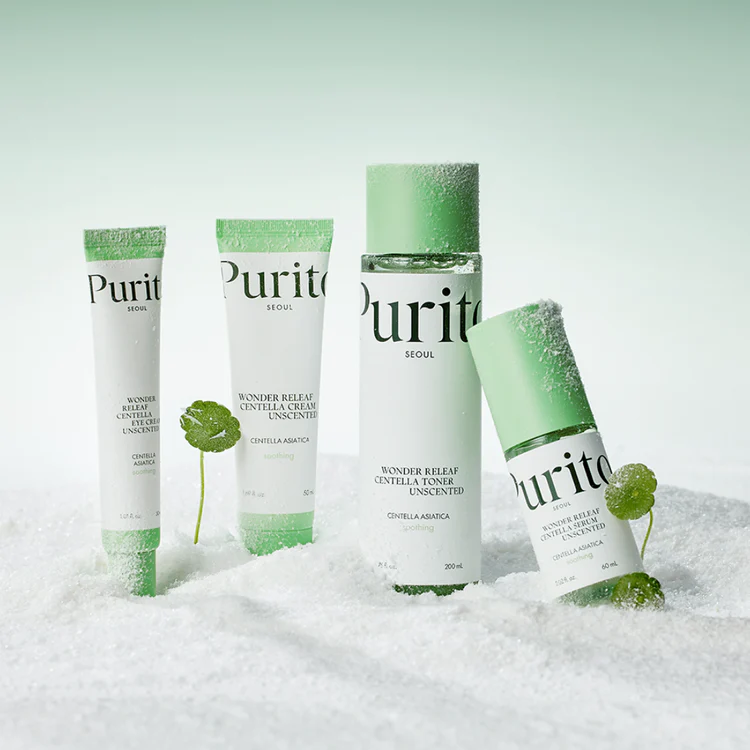
Purito
Beloved by skincare editors for quiet, barrier-first formulas, Purito earns plaudits for plant-heavy ingredient lists and sensitive-skin utility. Independent watchdogs and the brand’s own product pages flag vegan and cruelty-free positioning; you will see badges like “Vegan Friendly” and “Cruelty Free” on individual SKUs, and reputable third-party roundups recognize Purito as fully vegan. In the U.S., Soko Glam curates a tight edit, and Amazon carries broader stock through the official store.
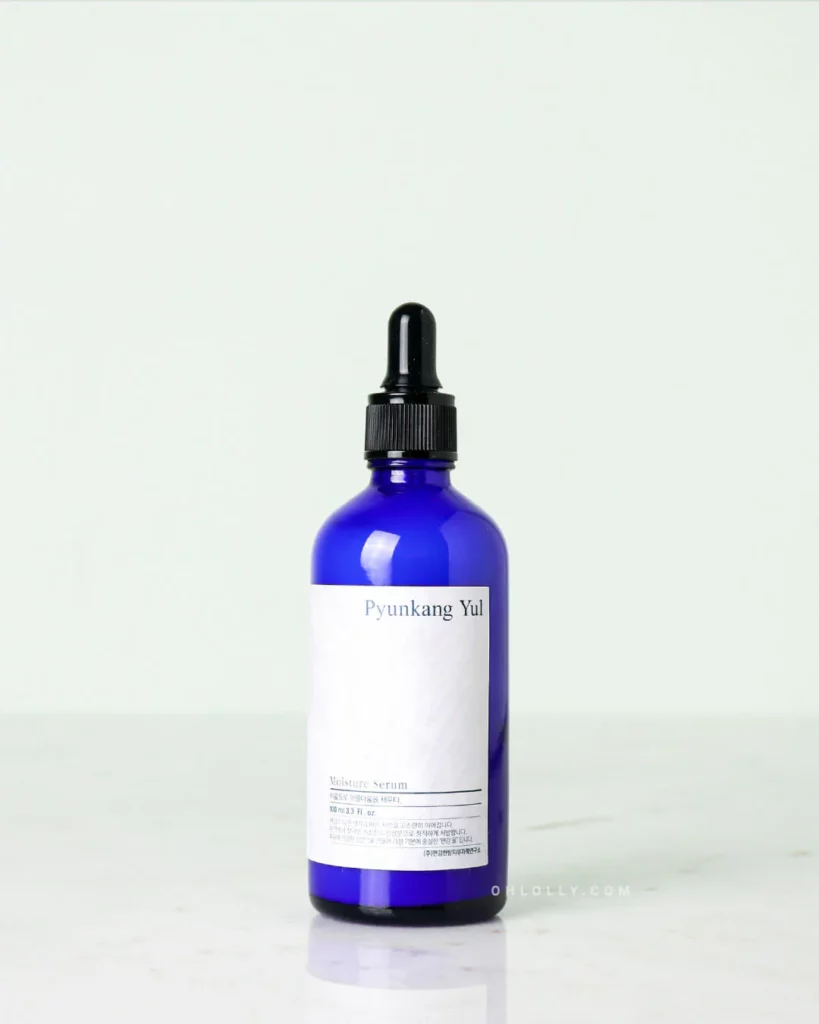
Pyunkang Yul
Pyunkang Yul channels the philosophy of its namesake clinic — minimalist formulas that aim to balance oil and moisture without unnecessary additives. U.S. shoppers have two streamlined options: an official U.S. webstore and established American K-beauty boutiques like Ohlolly, which explicitly notes the brand is cruelty-free. Core classics include Essence Toner and Moisture Cream, both reliable for sensitive routines.
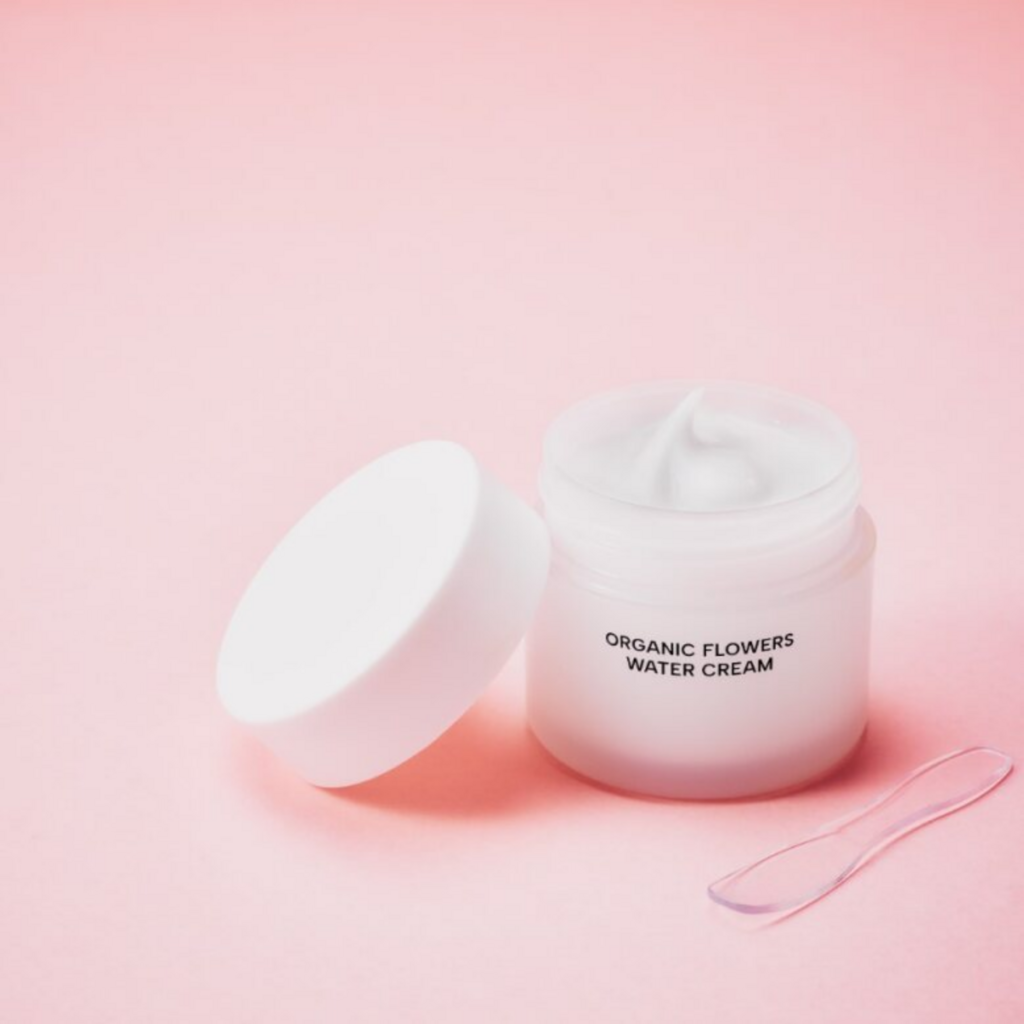
Whamisa
If you love fermentation, Whamisa is your lane. Whamisa is a vegan, organic skincare brand perfecting the art of fermentation only using naturally-derived ingredients from flowers, fruits, seeds, and roots. Expect bouncy, high-performing moisturizers and essences with an organic tilt and recognizable botanicals.
How to shop clean K-Beauty without guesswork
Start with retailer standards and brand certifications. Clean at Sephora gives a baseline of what is not inside, and some brands add third-party validation on the vegan front—the Vegan Society’s Vegan Trademark is one of the most recognized labels globally. When you cross-reference a brand’s stated policy with a major retailer’s ingredient filters, you get a pretty clear map of a product’s ethics and composition.
Because the U.S. Food and Drug Administration treats sunscreens as drugs, filters launched in Korea may not be immediately available here. Many K-beauty labels now offer U.S.-compliant formulas with familiar filters, maintaining those lightweight, elegant textures that wear well under makeup. Media testing roundups regularly cite Innisfree’s Daily UV Defense and Beauty of Joseon’s creamy Relief Sun as crowd-pleasers stateside.
Related on Ethos: