If 2024 was all about the gut microbiome and 2025 was the year we prioritised protein, then the nutrition trend of 2026 is fibre. It’s about time: not eating enough has been linked to an increased risk of bowel cancer, yet a staggering 96 per cent of British adults don’t consume the recommended 30g a day. Hugh Fearnley-Whittingstall has written one of several books on the subject that are due out this spring. “Upping the fibre in your diet brings unequivocal health benefits for gut health, for heart health, for improved immunity,” he says. “The science is so clear, and there is such strong consensus across the spectrum of scientists, nutritionists and dietitians — for once everybody agrees! Even the online influencers going nuts for fibre — some call themselves fibremaxxers — are generally considered a positive thing.”
What is it?
Fibre is the indigestible part of a plant. There are two categories: soluble fibre, which dissolves to form a gel and can act as a prebiotic that feeds gut bacteria, and insoluble fibre, which promotes regular bowel movements. Within this there are many different types — including pectins (found in apples), beta-glucans (oats) and inulin (garlic and onions). Our bodies need a variety and while fibre is often associated with dry bran, the best sources are everyday wholefoods: fruits, vegetables, wholegrains, beans, lentils, nuts and seeds. Modern diets high in ultra-processed foods can appear balanced but often provide very little fibre.
• Read more expert advice on healthy living, fitness and wellbeing
Why do we need fibre?
“One of the key concerns with not eating enough fibre is a sluggish gut,” says Dr Emily Leeming, a scientist, dietitian and author of Fibre Power: Transform Your Energy and Feel Amazing (out on May 21). “That means more time for potentially harmful compounds to interact with your gut wall, and is one potential reason why there has been a rise in bowel cancer in those under 50.” This is something Leeming is researching at King’s College London.
While fibre is beneficial in speeding up transit through the large intestine and reducing constipation, it is also key to slowing digestion and absorption in the small intestine, which helps with satiety, blood sugar control and cholesterol levels.
Leeming explains that fibre — in its prebiotic gel form — is your gut microbes’ favourite food. If they don’t get enough they make fewer short-chain fatty acids, which are vital for many aspects of physical health from metabolism and immunity to brain function.
Oats, legumes and citrus fruits are high in soluble fibre, and nuts, vegetables and wholegrains have lots of the insoluble type. Lentils and black beans are especially high in both types. “But we need both, which is why dietary variety is so important,” says the nutritionist Rhiannon Lambert, whose book The Fibre Formula: Feed Your Gut, Support Immunity and Live Well for Longer is out on March 12. Eating a range of plant foods naturally covers your needs for both types of fibre.
• How to boost your gut microbiome for a better workout
Benefits beyond the gut
The positive effects of eating enough fibre extend well beyond digestion — it is also associated with improved energy, skin health and even mood. “Certain prebiotic fibres have been shown in early studies on humans to support cognition, emotional balance and possibly mental wellbeing,” Leeming says.
However, since we need a range of fibres, she warns against focusing too heavily on individual types or relying on supplements. “Wholefoods contain a wider range of fibres,” she says. “Plus, fibre-rich foods are densely packed with other nutrients, so by eating more of them you’re meeting many nutritional needs.”
She admits that fibre still suffers from an image problem. “Fibre has had an unfortunate reputation of being something bland and stodgy, only useful for doing a nice poo,” Leeming says. “But there’s increasing awareness that what happens in our gut is important not only for our digestion but also our wider health.”
“Emerging research suggests that some fibres may help reduce the circulation of ‘bad’ (LDL) cholesterol,” Lambert says. “And there is growing interest in the role fibre potentially plays in binding and helping the body excrete compounds such as microplastics, although this area of research is still developing.”
Fibre also plays a role in blood sugar control and appetite regulation, Lambert adds. “Different fibres influence how quickly carbohydrates are absorbed, which can support steadier blood sugar levels.” And while fibre doesn’t directly cause weight loss, slower digestion can help meals feel more satisfying, reducing the likelihood of mid-afternoon snacking.

Everyday wholefoods, such as vegetables, are an excellent source of fibre
GETTY IMAGES
How much more do we need to eat?
Only 4 per cent of us are hitting 30g a day — the figure comes from a government report published last year — but how much fibre are we actually getting? “On average, Brits are falling short of their fibre needs by nearly 50 per cent, eating just 16g a day,” Leeming says. “That’s less than the recommended amount for a six-year-old.” But even if you don’t reach 30g, eating just a little more will have health benefits, she explains. Studies show that eating 7g more fibre daily — equal to half a can of beans — is related to a lower risk of heart disease, type 2 diabetes and bowel cancer.
• Want to live longer and lose weight? Then eat more fibre
Take it slowly
If you’re upping your fibre intake, it pays to do it gradually — anything too dramatic could be a recipe for digestive discomfort. “Tolerance is highly individual,” Lambert says. “A significant increase can lead to symptoms such as bloating, wind or changes in bowel habits as the gut adapts. For people living with irritable bowel syndrome or inflammatory bowel disease, or those taking certain medications, these effects may be more pronounced, which is why a gradual approach is recommended.”For ongoing symptoms it’s worth seeking professional advice, but mild bloating is often temporary. “The key is to go slowly,” Lambert advises. “Try swapping half the minced meat in dishes such as bolognese or chilli for lentils or beans, and gradually introducing fibre-rich snacks such as fruit with nuts, or yoghurt with berries. Small, consistent changes are better than a sudden overhaul.”
Easy swaps
Fearnley-Whittingstall, whose book High Fibre Heroes: How to Turn 12 Everyday Vegetables into 100 Joyful, Health-boosting Recipes is out on May 7, also warns against going from “fibre zero to fibre hero” too fast and advises drinking plenty of water if you’re upping “dry” high-fibre ingredients such as grains and seeds.
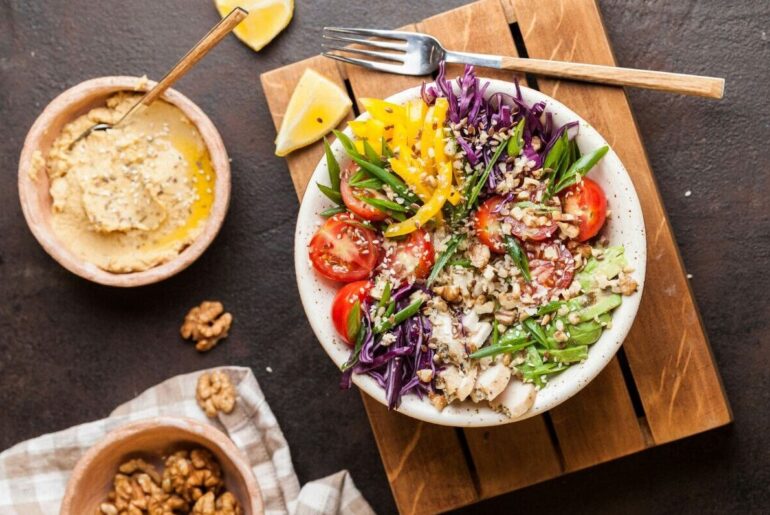
He suggests switching white bread, pasta and rice for wholegrain versions and eating more fruits and vegetables. “Crunchy winter salads that combine roots, fruits, leaves and nuts or seeds are delicious and easy,” he says. “For example, grated carrots with shredded red cabbage, raisins and walnuts. Or grated celeriac with apples, parsley and sunflower seeds. There’s no end of ways to ring the changes.”
• Snacking on almonds is great for your gut
When in doubt, add beans
Fearnley-Whittingstall’s final tip is to “bang in some beans”. Pulses such as beans, lentils and chickpeas are rich in fibre and protein. “Personally, I add a tin of beans or chickpeas almost every time I make something soupy or saucy.”
Leeming agrees, recommending the BGBGS approach: B = beans, G = greens, B = berries, G = grains and S = seeds and nuts. “Try to make BGBGS a regular feature on your shopping list,” she says. And if you do nothing else, her advice is simple: “Focus on beans, wholegrains, nuts and seeds. Those pack the biggest fibre punch.”