Key Points
Eating bananas every day can support your overall health with their rich nutrients, affordability, and easy availability.Bananas keep you full longer, promote gut health, and help regulate blood sugar levels for steady energy.Their potassium content supports healthy blood pressure, while antioxidants protect your cells from long-term damage.
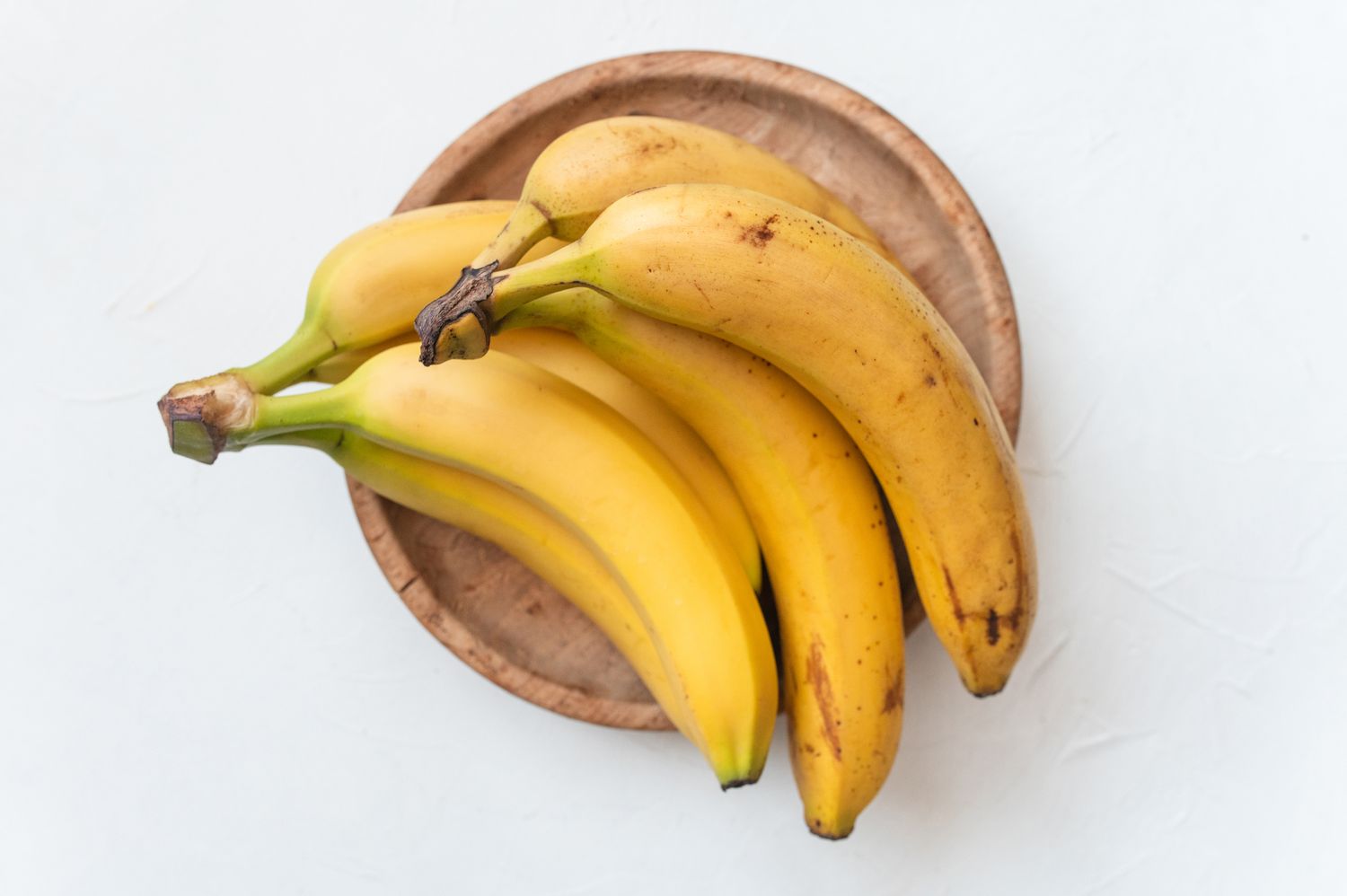
Bananas are nutritionally impressive fruits. They’re high in vitamins, minerals, antioxidants, and fiber, which are all needed for optimal health. The fruit is also relatively easy on the stomach, making it ideal for soothing digestive woes. Furthermore, bananas are inexpensive and widely available, so you won’t have to go far to find them.
For these reasons, you might find yourself adding bananas to your daily diet. Maybe you enjoy adding them to oatmeal or blending them into smoothies? Or perhaps you like eating them as a snack in between meals? You’ll be pleased to hear that consuming bananas has profound benefits for the body, according to nutrition experts.
Matthew Landry, PhD, RDN, DipACLM, FAND, FAHA, registered dietitian and assistant professor of population health and disease prevention at University of California, Irvine
Lauren Manaker, MS, RDN, LD, CLEC, registered dietitian at Nutrition Now Counseling
What Happens When You Eat Bananas
These are the effects of eating bananas, as outlined by dietitians.
More Satiety
When you regularly eat bananas, you’ll stay full and satisfied in between meals. This is due to their content of dietary fiber and resistant starch, which help slow gastric emptying, says Matthew Landry, PhD, RDN, DipACLM, FAND, FAHA, registered dietitian and assistant professor of population health and disease prevention at University of California, Irvine. In other words, they reduce how quickly food moves through your stomach and into your small intestine, thereby keeping you fuller for longer.
Better Digestion
Thanks to their rich fiber content, bananas are some of the best foods for gut health. Specifically, they contain pectin (which is more prevalent in ripe bananas) and resistant starch (which is found in green bananas), says Lauren Manaker, MS, RDN, LD, CLEC, registered dietitian at Nutrition Now Counseling. “Pectin is a soluble fiber that helps soften stool and relieve constipation,” she explains. Resistant starch acts as a prebiotic, meaning it serves as fuel for the beneficial bacteria in your large intestine, promoting a healthy gut, says Manaker.
Improved Blood Sugar Control
Another perk of eating bananas? When part of a balanced diet, they can help regulate your blood sugar levels. Their fiber content slows down the digestion and absorption of carbohydrates after you eat, which reduces the risk of a rapid glucose surge into your bloodstream, says Manaker. “Instead, glucose is released more gradually, helping to maintain more stable blood sugar levels over time,” she notes.
Sustained Energy
As bananas promote satiety and steady sugar levels, they also provide a sustained flow of energy. This is due to their blend of simple and complex carbohydrates, along with vitamin B6, says Manaker. “The simple carbs offer a quick source of energy, while the complex carbs slow down the absorption of sugar into the bloodstream. This combination prevents the sharp spikes and subsequent crashes in blood sugar that you might get from other sweet snacks,” Manaker says. As for vitamin B6? The nutrient converts these carbohydrates (as well as fats) into usable energy for your body’s cells, notes Manaker.
Better Blood Pressure Management
If blood pressure management is on your list of health goals, consider eating more bananas. “Because of their high potassium content, bananas can help regulate blood pressure,” says Landry. It works against sodium, a nutrient that can lead to fluid retention when consumed in high amounts. (This fluid retention increases the volume of blood in your blood vessels, which raises your blood pressure, says Manaker.) “Potassium helps counteract this by encouraging your kidneys to excrete more sodium through urine. This process helps relax blood vessels walls, which eases tension and lowers overall blood pressure,” Manaker says.
Reduced Disease Risk
“Bananas may offer some antioxidant protection because of their phenolic compounds, carotenoids, and flavonoids,” says Landry. These compounds help protect cells from oxidative damage, a process that can increase the risk of chronic disease over time.
How Many Bananas Should You Eat Per Day?
For most people, eating bananas daily is safe, according to experts. But as with all foods, the ideal daily intake depends on your specific calorie needs and overall diet. In general, eating one to two bananas per day is well tolerated and won’t cause adverse effects, Landry says.
However, remember that bananas aren’t a “magical solution” to healthy eating. As Manaker notes, nutrition guidelines usually recommend eating a variety of fruits, and most Americans don’t eat enough fruit overall. Thus, it’s best to enjoy many different fruits (including bananas) as part of a balanced diet, she says.
Things to Consider
Though bananas are considered safe, some people may need to be mindful of the fruit. For example, if you have chronic kidney disease, it might be difficult for your kidneys to manage potassium levels. As a result, you may need to limit your intake of bananas because they’re rich in potassium, says Landry. Similarly, if you have diabetes, you might have to consider your portion sizes or what you eat with the banana, as it’s a source of natural sugars. Consult with a doctor or dietitian for specific guidance.