Sponsored Content
This article is brought to you by Ochsner Health.
March in South Louisiana can offer us a bit of a reprieve. Carnival season is behind us, and festival season hasn’t fully arrived. Social calendars tend to feel a little lighter with a bit more downtime. For many, this becomes a natural window to refresh routines and focus on how we want to feel day to day.
For a lot of us, that reset starts with data.
The Upside of Tracking
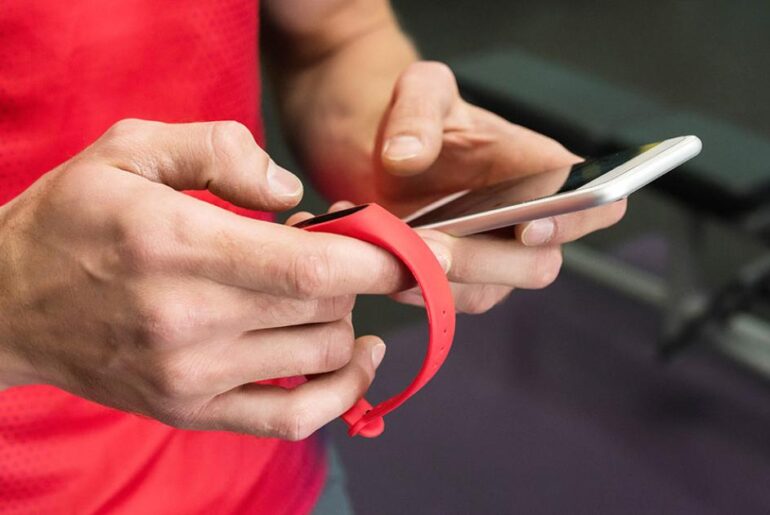
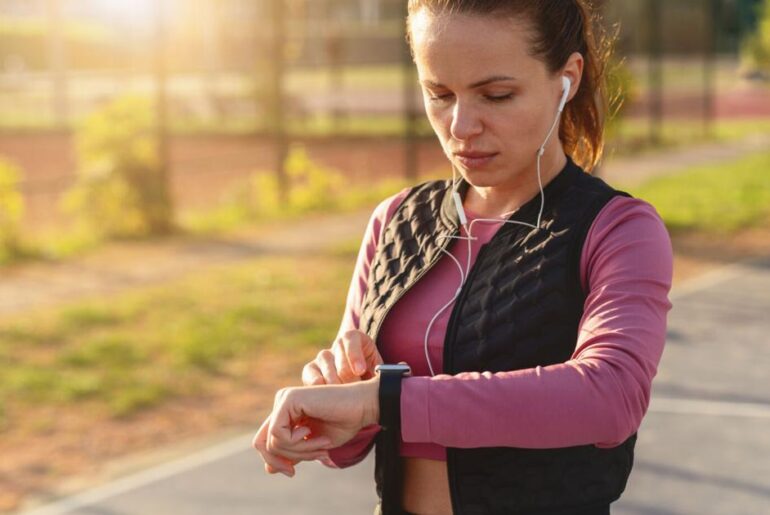
You might be paying closer attention to your Apple Watch or checking your sleep score with an Oura ring. Maybe you’re watching your recovery on Whoop or looking at step counts on a Fitbit. Perhaps you’ve heard about glucose monitoring, and you’re curious about what a continuous glucose monitor (CGM) might reveal about your own patterns.
I get the appeal because I share it, too. I love data, I love these fitness wearables and I love talking and writing about wellness trackers. In fact, CGMs are my current personal favorite when it comes to tools that offer meaningful insight helping us identify trends and see whether what we’re doing is actually having an impact.
That’s the upside.
The Risks of Over-Tracking
The part we don’t always realize is how quickly these tools can shift from helpful into stressful. The same devices that can build awareness can also feed perfectionism. I see it with patients and clients, and I’ve experienced it myself.
When the numbers start to feel like a grade, it changes the dynamic. It’s easy to feel frustrated if a workout doesn’t “count” because the tracker didn’t sync. We feel guilty when we miss a step goal. We check our sleep score before we even check in with how we feel. The data becomes the driver of our behaviors and mood instead of a tool quietly supporting us in the background.
Using Data Wisely
So, if you’re considering using a fitness tracker to support your spring goals, here’s the approach I encourage: use data intentionally and put guardrails around it.
Start with clarity of purpose. What are you actually trying to improve? Sleep consistency? Energy? Blood sugar awareness? Training performance? Meal planning?
Pick one primary focus. When we try to track everything all at once — steps, calories, macros, sleep, hydration, heart rate variability, fasting windows — it quickly becomes overwhelming. We end up managing a dashboard of data instead of focusing on the behaviors that move the needle.
It also helps to remember that most metrics are estimates, not verdicts. Step counts vary by device and placement. Calorie tracking is notoriously imprecise. Sleep staging from wearables is a best guess, not a clinical sleep study. Even CGMs, as valuable as they are, have lag time and variability. They are tools for learning, not for judgment.
If you’re wearing a CGM, think of yourself as a curious observer. Focus on trends rather than single data points. Look for patterns instead of striving for perfection. Notice what happens when you pair carbohydrates with protein or fiber compared to when you eat carbs on their own. Pay attention to what a short walk after dinner does. Observe how poor sleep or alcohol intake impacts your numbers the next day.
It’s also important to keep listening to your own body. Build in moments where you’re not tracking. Take a walk without checking your pace and exercise without watching your heart rate. Those breaks protect your internal cues — hunger, fullness, energy, mood, recovery, satisfaction — which are just as important, and honestly more important, than any metric.
If data helps you move your health in a positive direction, I’m all for it. But if tracking makes you more anxious, more rigid or more self-critical, it’s also okay to step away.
The goal isn’t perfect numbers. The goal is better energy, steadier mood, stronger bodies and habits we can sustain. The healthiest strategies aren’t the ones that look impressive on a dashboard. They’re the ones that fit into real life and still work long after that initial burst of motivation fades.
Molly Kimball, RD, CSSD, is a registered dietitian with Ochsner Health and founder of Ochsner’s Eat Fit nonprofit initiative. For more wellness content, tune in to Molly’s podcast, FUELED Wellness + Nutrition, and follow @MollykimballRD and @EatFitOchsner on social media. Email nutrition@ochsner.org to connect with Molly or schedule a consult with her team.