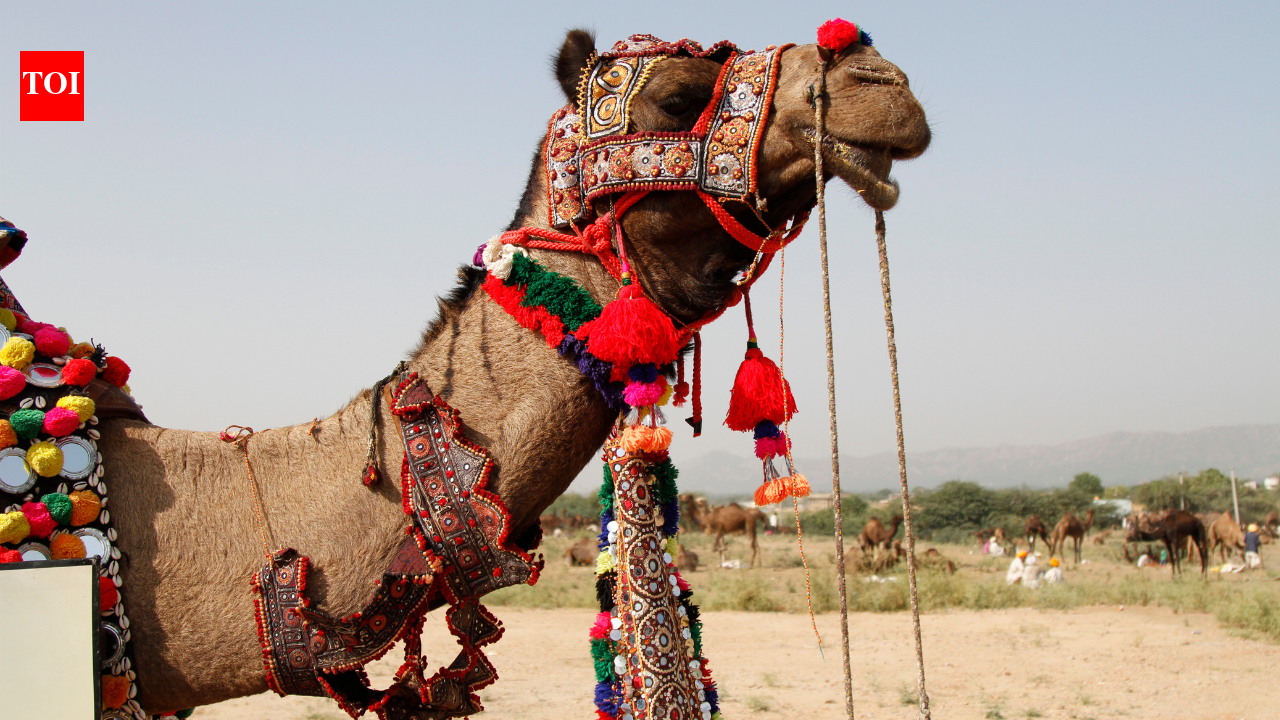
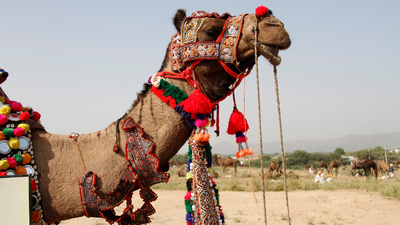
 Twenty camels were disqualified from Oman’s camel beauty festival in February 2026 after officials found they had undergone cosmetic procedures. Veterinary inspections revealed Botox, lip fillers, silicone reshaping, artificial hump inflation and hormone injections. All of these are banned under contest rules. The disqualifications quickly went viral and reopened debate about how far owners are willing to go to win elite camel pageants, where reputation, breeding value and large prize pools are on the line.
Camels, botox, beauty and the rules of perfection
Camel beauty contests are not novelty events. They are serious competitions rooted in long-standing desert traditions. Judges assess camels across four main areas. These include the coat, the neck, the head, and the hump. A glossy coat, a long and well-set neck, a large head with full lips and long lashes, and a firm, well-shaped hump are all prized traits. The emphasis is on natural appearance and pedigree rather than artificial perfection.Veterinary teams found multiple signs of tampering during routine checks. Some camels had fillers injected into their lips to make them appear fuller. Others showed evidence of Botox used to relax facial muscles and soften expressions. Silicone had been applied to reshape noses. In several cases, substances were used to inflate humps. Hormones were also detected to increase muscle definition. Under festival rules, even one such modification is enough to trigger disqualification.The event is overseen by the Camel Club along with the Oman Camel Racing Federation. Organisers say strict enforcement is essential to protect the integrity of the contests. They argue that allowing cosmetic alteration would undermine breeding standards and turn cultural showcases into artificial displays. Officials have warned that penalties will remain firm. 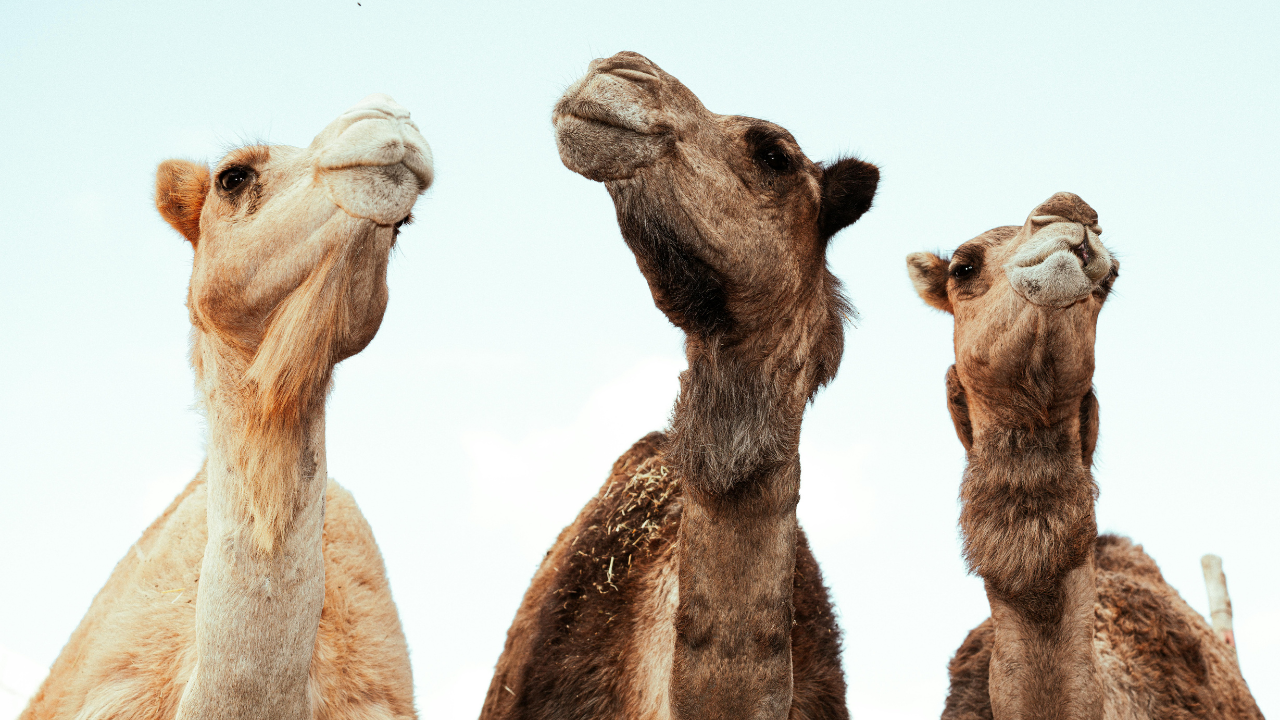
A pattern seen across the region
Oman’s case follows earlier scandals in Saudi Arabia. Major camel festivals there saw mass disqualifications in 2018 and again in 2021 after similar cosmetic enhancements were detected. With prize money at some events reaching tens of millions of dollars, competition has become fierce. Elite camels can gain huge value through wins, influencing breeding rights and sales prices.
Online reactions to the beauty scandal at camel festival
The story sparked widespread reaction online. Many users quickly dubbed the animals “camel Kardashians”, a nickname that spread across platforms. Others posted lines like, “Every day we keep hearing things we are not supposed to hear. Camel Kardashians.” Reaction videos and gifs carried captions such as, “Please put the fillers down.” Several memes focused on camel humps, comparing cosmetic enhancements to celebrities who appear the same age across generations. Amid the humour, some users questioned whether the pursuit of beauty had gone too far, while others simply flooded comment sections with laughing emojis and phrases like “Happy Plump Day!” Supporters of strict enforcement said the disqualifications were necessary to protect both animals and tradition.Veterinary experts warn that cosmetic procedures pose serious risks to camels. Injections can cause pain, infection and tissue damage. Botox may interfere with chewing and drinking. Fillers and silicone can trigger chronic inflammation. Hormone use can disrupt natural development and fertility. These risks have intensified calls for tougher monitoring and enforcement.Festival organisers say the latest disqualifications send a clear message. Camel beauty contests will reward natural form and lineage only. Any attempt to alter an animal’s appearance will be punished. For now Oman’s stance is firm. In the world of camel beauty, nature remains the only acceptable standard.