Credit: Bryan Gardner
According to the American Heart Association’s 2026 Heart Disease and Stroke Statistics Update, the number of deaths from heart disease and strokes has declined; nevertheless, heart disease still claims more lives in the U.S. than any other cause. The risk factors connected to cardiovascular disease and stroke, including obesity, diabetes, kidney disease, and high blood pressure, continue to climb.
“There are some things like your genes—your parents, your grandparents—that you cannot control, and environmental factors like toxins, that are non-modifiable, but diet, exercise, stress management, and tobacco are really huge, modifiable risk factors,” says Tara Schmidt, MEd, RDN, LD, a registered dietitian at Mayo Clinic.
Diet can be critical in preventing heart disease, even for those diagnosed with conditions like high cholesterol or high blood pressure. Schmidt shared these 15 foods that support heart health.
Meet Our Expert
Tara Schmidt, MEd, RDN, LD, is a registered dietitian and instructor of nutrition at Mayo Clinic in Rochester, Minnesota, and the lead dietitian for the Mayo Clinic Diet, a personalized, doctor-developed digital weight loss program
Related: 21 Dietitian-Approved Recipes That Promote Healthy Aging
Cold-Water Fatty Fish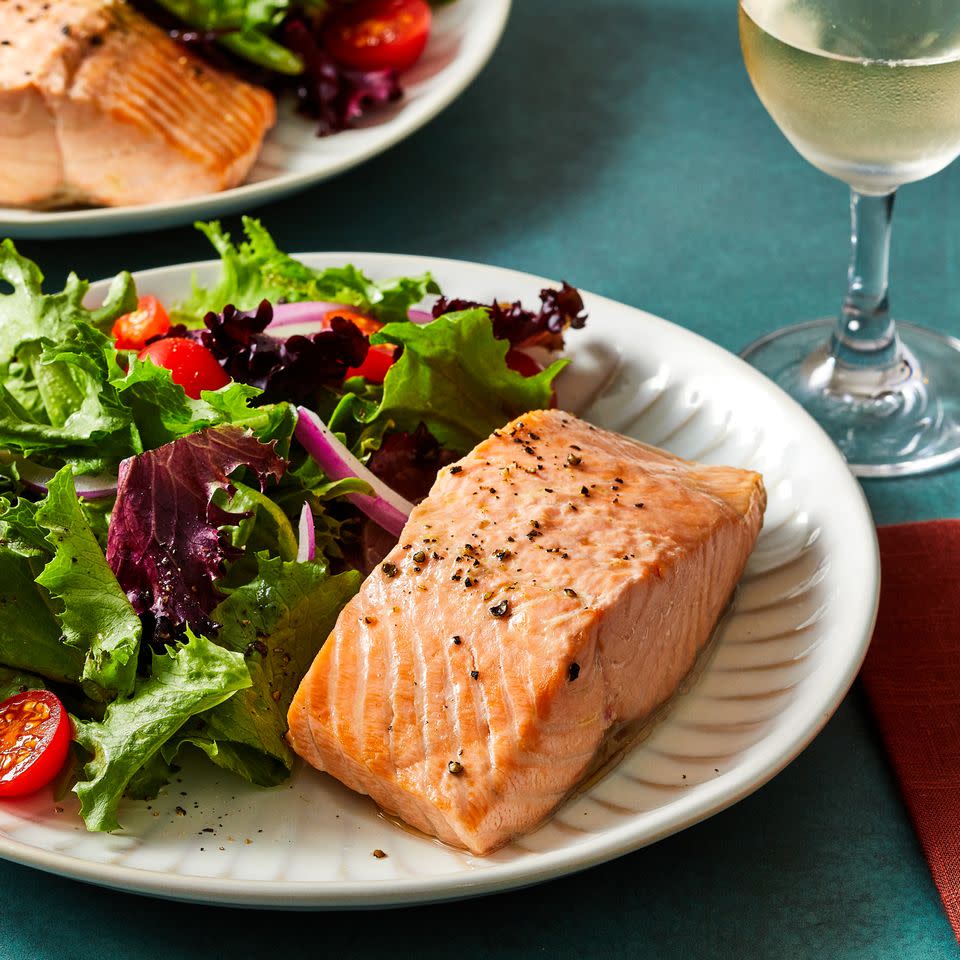
Credit: Grant Webster
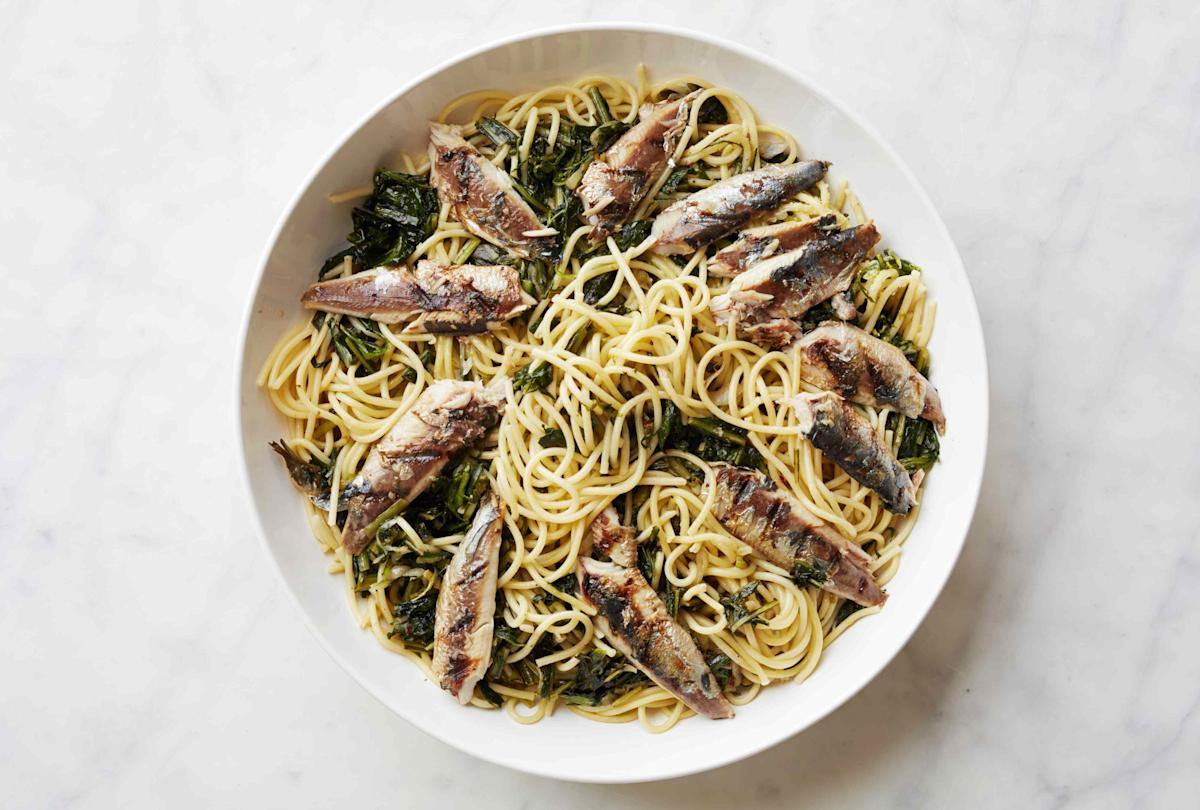
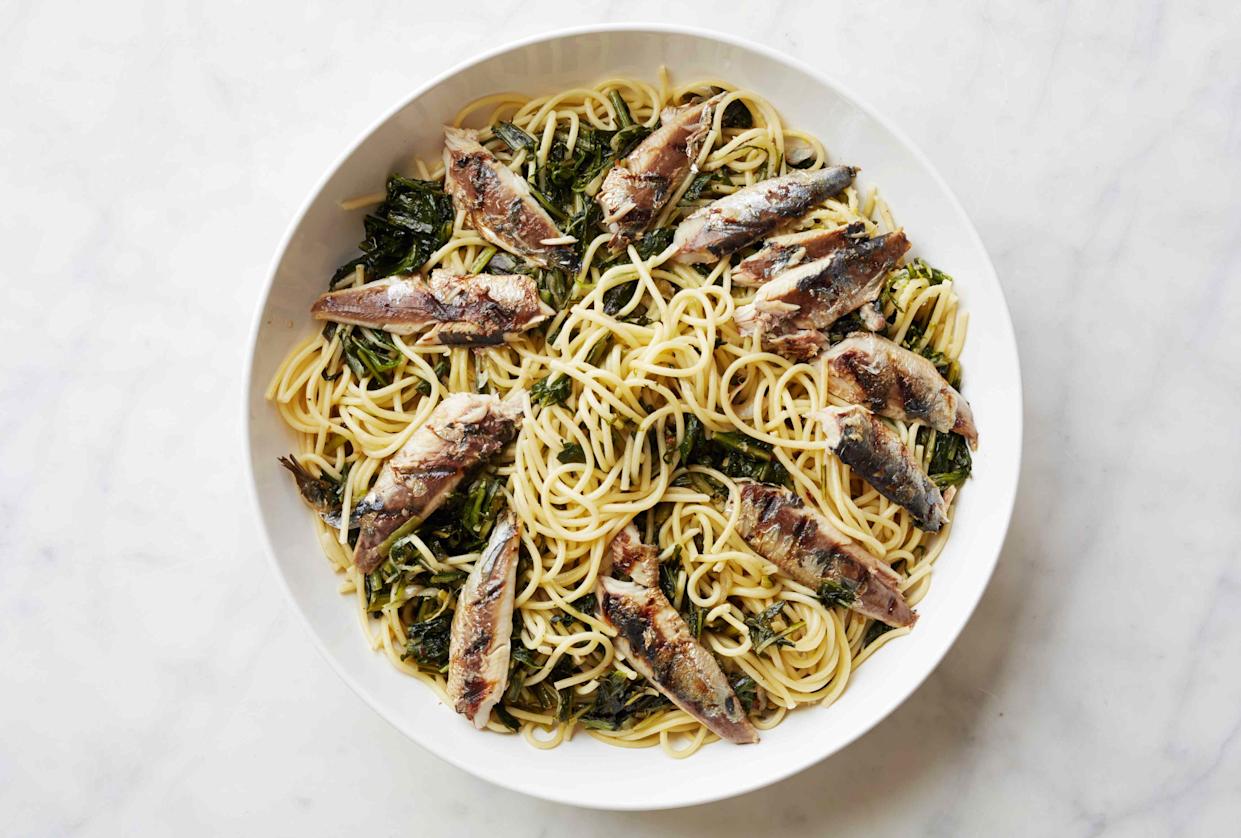
Cold-water fatty fish, including mackerel, sardines, trout, salmon, and albacore tuna, are the highest in long-chain omega-3 fatty acids, which are beneficial for heart health, Schmidt says. At least two servings per week are recommended.
Benefits: Omega-3s can help lower blood pressure and reduce inflammation and triglycerides.
Legumes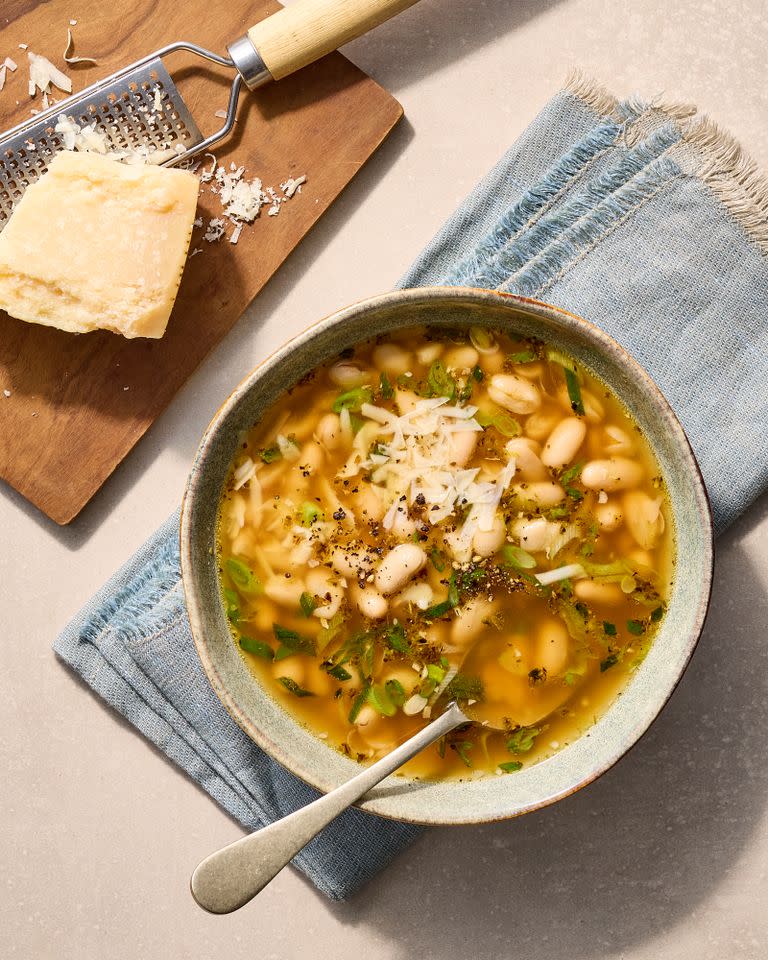
Credit: Jake Sternquist
Chickpeas, black beans, lentils, black-eyed peas—take your pick. “I absolutely endorse beans in whatever way and whatever type people prefer,” Schmidt says. “Each separate bean has its own nutrient profile, but all beans are low-fat sources of both protein and fiber.”
Benefits: The plant protein, soluble fiber, and low saturated fat help lower LDL (bad) cholesterol, control blood pressure and weight, and improve blood sugar.
Tips
If you’re new to beans, start by mixing them with ground meat in tacos, soup, chili, and quesadillas, Schmidt suggests.
Healthy Fats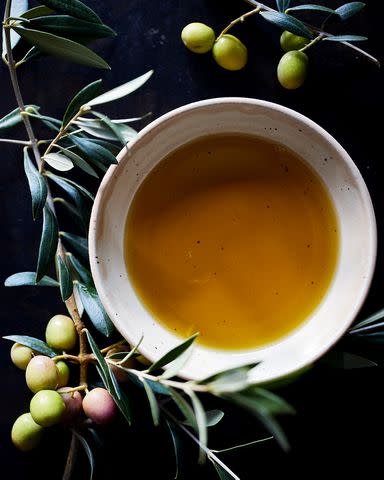
Credit: Johnny Miller
Unsaturated fats are found in several categories, including nuts and seeds, olive oil, salmon, and avocados (the fruit and the oil). Replacing saturated fats with polyunsaturated (PUFAs) and monounsaturated fats (MUFAs) benefits heart health.
Benefits: Unsaturated fats can help lower LDL cholesterol and triglycerides, decrease atherosclerosis (plaque in the arteries), and reduce inflammation.
Nuts and Seeds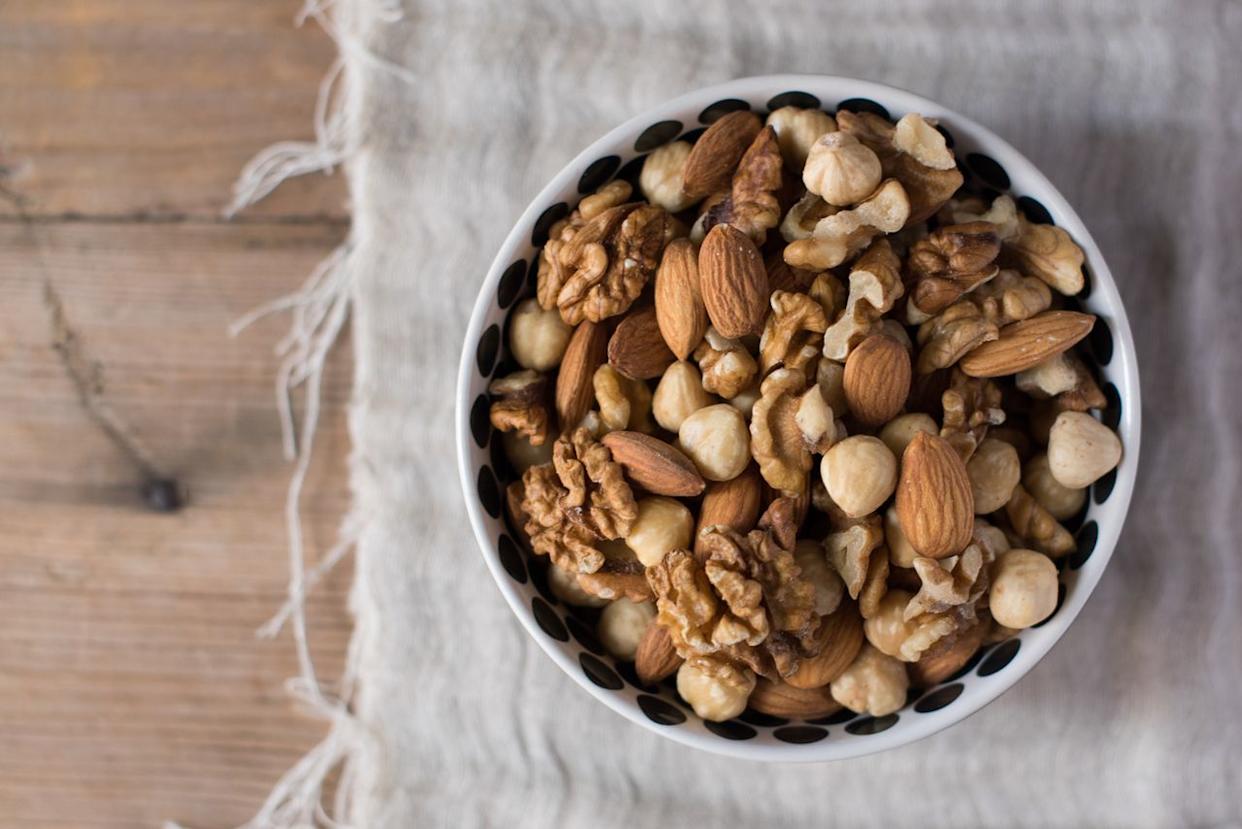
Credit: Emilija Manevska / Getty Images
Almonds, walnuts, and pistachios support heart health. Nuts and seeds are part of the Mediterranean Diet, which is used for cholesterol, Schmidt points out, and the Mind Diet, used for longevity and cognitive health.
Benefits: “Nuts have healthy fats in them, fiber, vitamin E, and we think there’s polyphenols in them, which are compounds that protect against cell damage.” Seeds, especially chia and flaxseeds, are rich in ALA omega-3 fatty acids and lignans.
Tofu and Edamame
Tofu can be a nutritious substitute for less-healthy animal protein that’s ultra-processed or processed and higher in sodium or saturated fat, Schmidt says.
Benefits: “There’s a 2020 study that shows that people who ate at least one serving of tofu per week were 18 percent less likely to have a heart attack than people who ate tofu less than once a month,” she says. Tofu and edamame contain isoflavones that protect against atherosclerosis.
Dark, Leafy Greens (and Other Vegetables)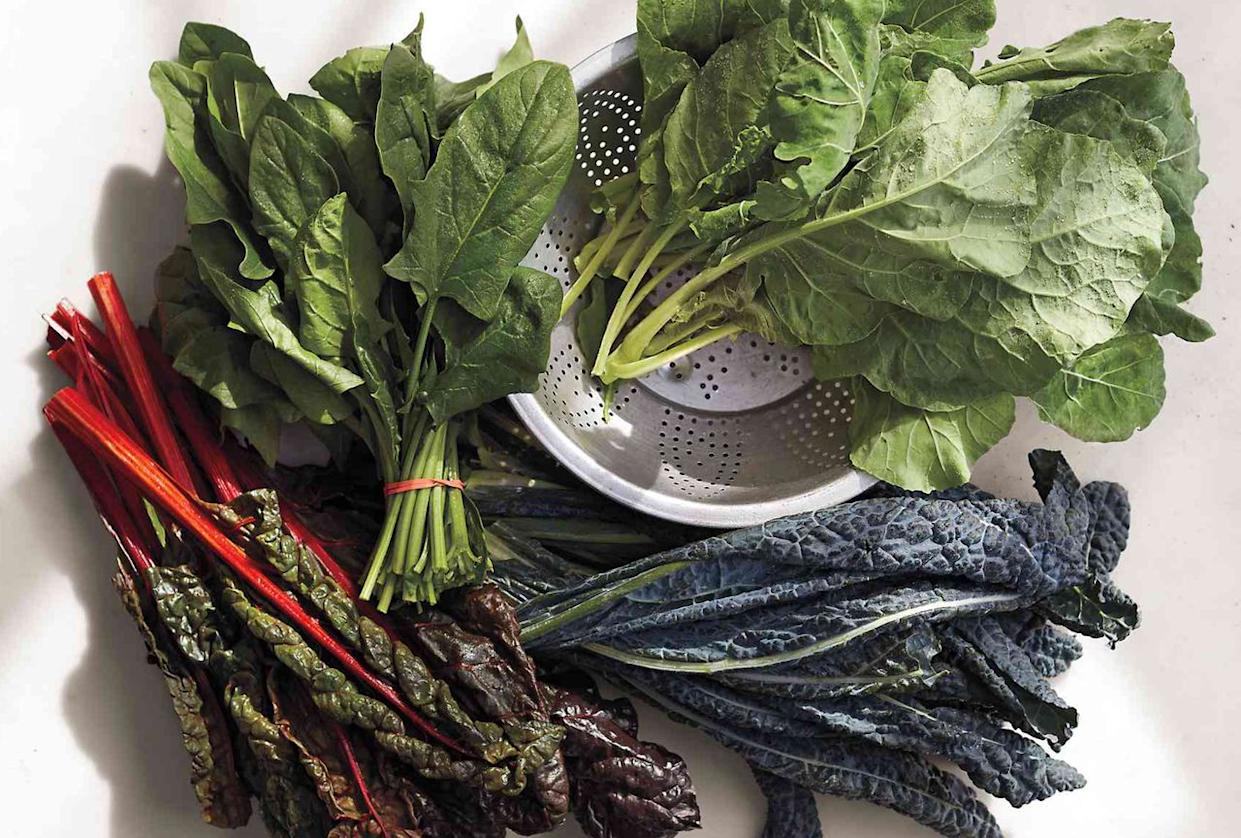
Credit: Bryan Gardner
Spinach, kale, and collard greens boost heart health, but what if you’re not a fan of leafies? “It doesn’t have to be kale; if we’re getting an American to eat a vegetable, we’re happy,” she says, adding that different vegetables contain different antioxidant-rich phytochemicals. “Carotenoids are in orange-colored sweet potatoes and carrots, obviously, but they’re also in dark green things like broccoli and spinach, phytosterols in broccoli, Brussels sprouts, polyphenols in asparagus and artichokes.”
Benefits: Phytochemicals protect against oxidative stress, lower LDL cholesterol, and reduce the risk of stroke.
Berries and Cherries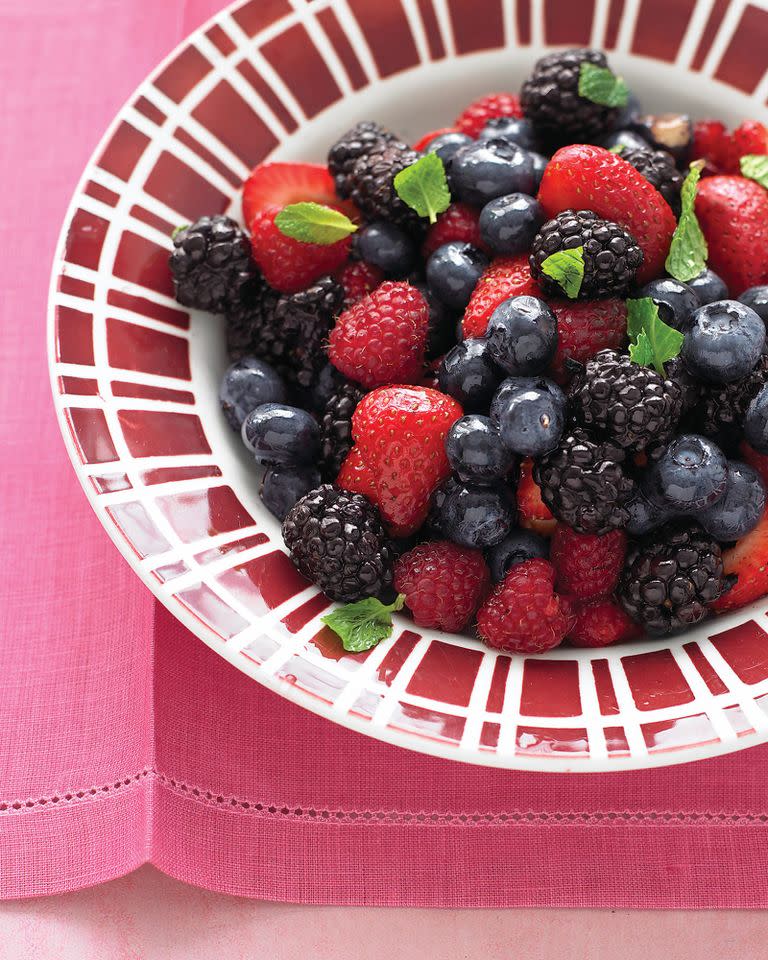
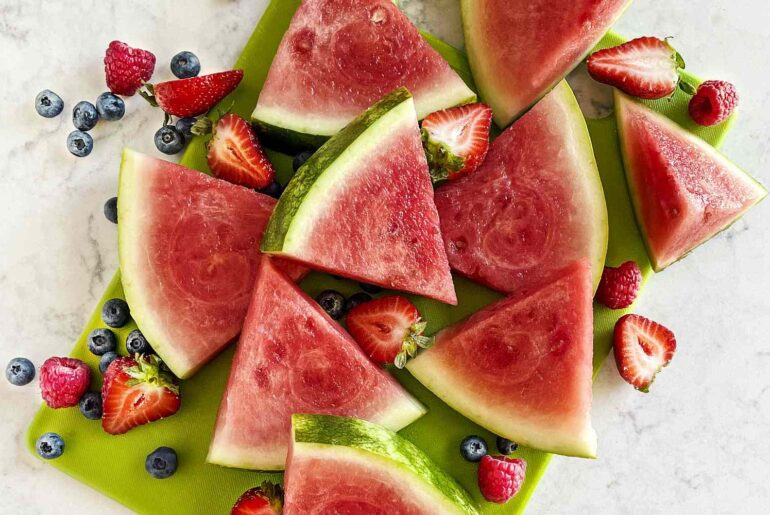
Raspberries, strawberries, blueberries, and cherries are sources of anthocyanins, phytochemicals responsible for the red, purple, and blue pigments. Berries are very high in nutrients and antioxidants, plus they’re an anti-aging food, explains Schmidt.
Benefits: “Anthocyanin specifically protects the body from heart disease,” she says.
Oats and Whole Grains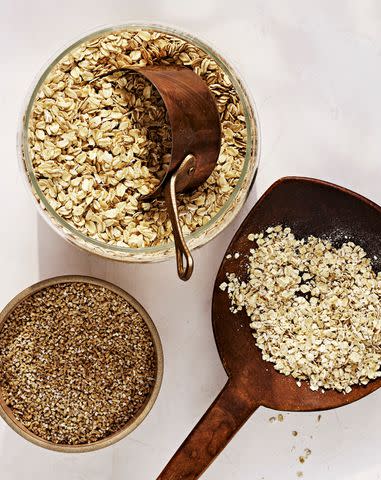
Credit: Nico Schinco
Eating whole grains daily, whether oatmeal or whole-grain bread, decreases the risk of cardiovascular disease. “The type of fiber in oats, beta-glucan, that’s what we think lowers cholesterol,” Schmidt explains.
Benefits: One study found that people who ate a large amount of whole grains were 13 percent less likely to die of cardiac arrest than those who ate the smallest amount, she says.
Yogurt and Dairy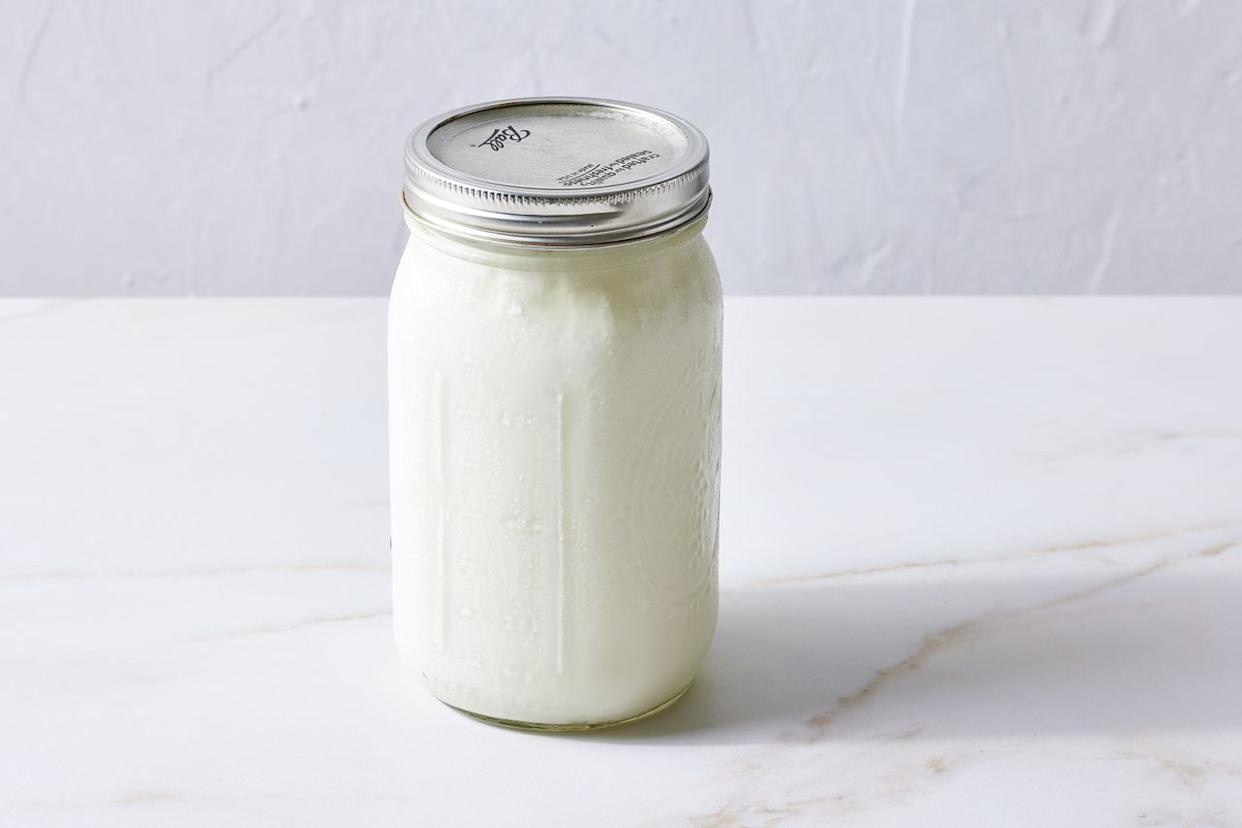
Credit: Brie Goldman
Fermented dairy products with probiotics, like kefir and yogurt, have a healthy balance of microorganisms, Schmidt says. She tailors low-fat, high-fat, and no-fat dairy and non-dairy choices to her patients’ preferences, enabling trade-offs with other foods.
Benefits: “Obviously, dairy’s going to provide us with the protein, the vitamin D, fortified with a lot of great nutrition there,” she says. Studies show that yogurt is especially beneficial for hypertensive adults.
Dark Chocolate
“I’m mindful of endorsing this because people might take it out of context, but we do think that dark chocolate, that’s chocolate with at least 50 percent or so cocoa solids, has some of those antioxidants that might reduce the risk of heart disease,” she says. She emphasizes this means dark chocolate or actual cocoa, not milk chocolate.
Benefits: Antioxidant-rich flavonoids (particularly flavanols) can help lower blood pressure and inflammation, reduce LDL cholesterol, and relax blood vessels.
Chile Peppers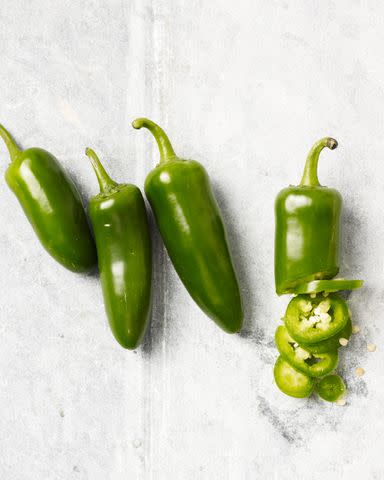
Credit: Marcus Nilsson
Mildly hot to very hot chile peppers, including jalapeño, habanero, poblano, cayenne, and serrano varieties, contain capsaicin, a chemical compound with anti-inflammatory properties that’s still being researched
Benefits: Capsaicin might help prevent atherosclerosis and lower blood pressure.
Limiting Salt
“Salt plays the biggest role in patients with hypertension,” Schmidt says. “Where Americans get the majority of their excess sodium is from ultraprocessed or packaged food and from restaurant meals. I’m less concerned with adding a little bit of salt at the table or even in cooking.”
Easy swaps: For those on low-sodium diets, she suggests experimenting with herbs and spices, lemon juice, and vinegar to lend flavor without salt.
Read the original article on Martha Stewart