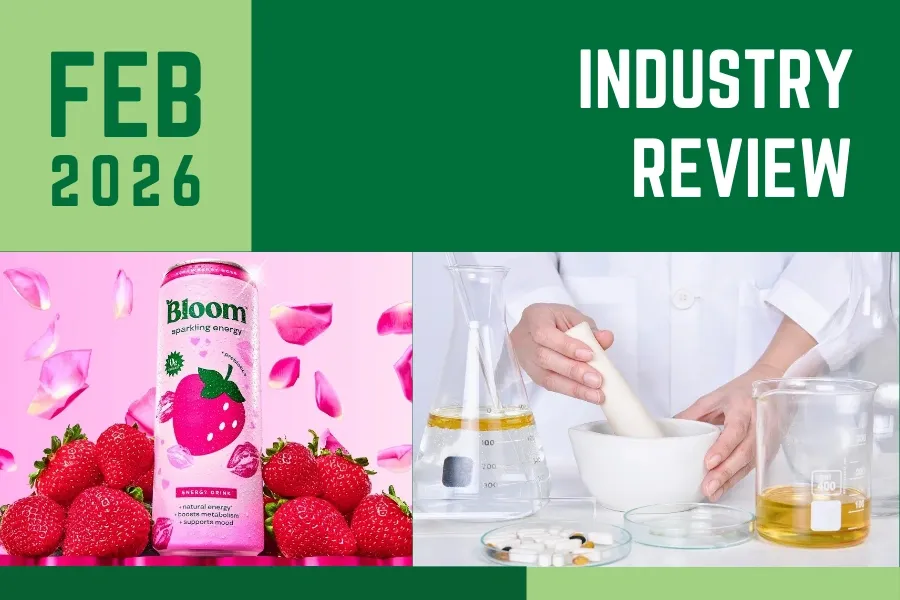
February’s highlights include accelerating innovations around GLP-1s, advancing gut microbiome research, growing scrutiny of infant formula safety, and ongoing debates over supplement quality, protein policies, and food reformulation.
In our February review, Nutrition Insight features some of the month’s biggest stories, including how supplements can help bridge nutrition gaps related to GLP-1 use and rapid weight loss. In the UK, researchers identified gut microbes that could unlock next-generation probiotics, and we examined Novonesis’ biosolutions toolbox for healthier foods.
Ahead of Expo West 2026, we explored nutrition innovations to be showcased on gut health, longevity, natural energy, and GLP-1 support. Meanwhile, amid infant formula recalls tied to contaminated sources, dsm-firmenich highlighted supplier verification strategies.

Additionally, industry experts weighed in on botanical and mushroom quality-testing standards, opportunities to integrate nutrition into healthcare policy, and plant-based protein quality in light of the new US dietary guidelines.
We also examined how AI-powered diet-tracking tools could redefine the accuracy of nutrition research and the importance of nutritional literacy in achieving public health goals through front-of-pack labels.
How the supplement industry is bridging Ozempic’s nutrition gaps
The rise of GLP-1s has thinned the waistlines of millions and opened the door for innovation in the US$200 billion supplement and nutraceutical industry. As the accessibility of drugs like Ozempic and Wegovy increases, users are eating less and discovering the biological effects of rapid weight loss. The nutrition industry is responding with solutions to address areas such as nutrient density and fortification. ADM, FrieslandCampina Ingredients, Gnosis by Lesaffre, and Saanroo told us how brands can help users stay healthy during weight loss. We also spoke with an expert on GLP-1’s potential to cause a nutrition gap, who called for guidance to avoid micronutrient inefficiencies.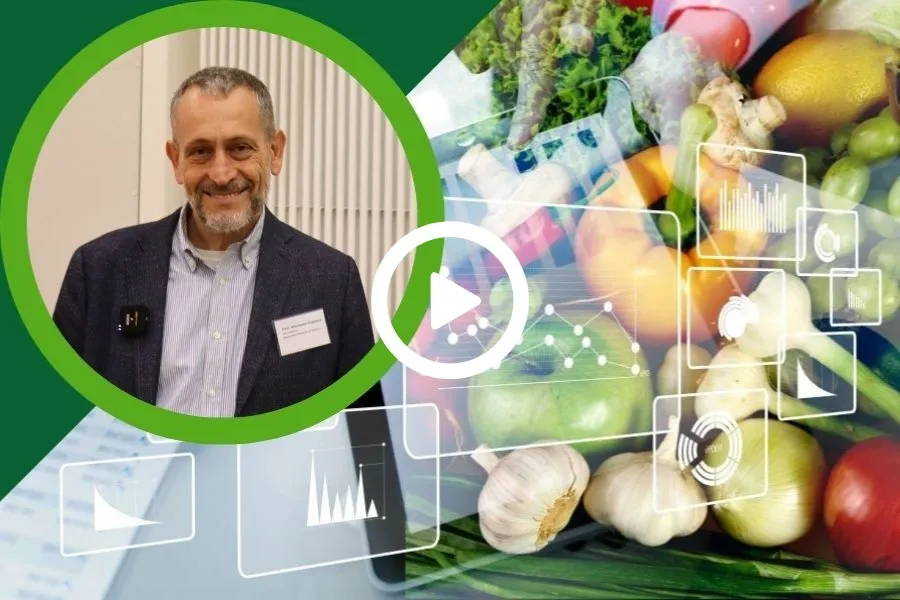 We discussed food design for sustainability and longevity with a professor from Wageningen University & Research, the Netherlands.
Expo West 2026: Key nutrition innovations in gut microbiome, GLP-1 and longevity
Ahead of Natural Products Expo West (Mar 3–6), we discussed innovations and technology advances with Morinaga Nutritional Foods, Nexira, and Now Health Group. This trade show in Anaheim, US, will spotlight products with benefits ranging from digestion and weight management to longevity and skin health. We also explored natural products for longevity and energy with exhibitors Sabinsa, Layn Natural Ingredients, and BioVivo Science. Saanroo told us the company will focus on weight loss and gut health solutions, and Rousselot said it would showcase collagen peptides for GLP-1 weight loss support. Nuritas told us the company will present its muscle health peptide in a drinkable yogurt format.
Cambridge researchers identify “hidden” gut microbes to unlock next-gen probiotics
UK research found that healthy people’s gut microbiomes consistently have higher levels of the bacterial group CAG-170 than those with diseases such as inflammatory bowel disease and obesity. It revealed the importance of understanding the “hidden microbiome” to foster new therapeutics. We spoke with the lead researcher about CAG-170’s potential to spur probiotic innovation and how the probiotics industry should broaden its applications beyond the well-known strains. In other microbiome research, scientists found that gut bacteria can inject proteins into human cells to trigger immune responses. Also, we spoke to researchers warning that commercial probiotics use historical strains no longer present in babies, after mapping infant gut bacteria in a global atlas.
dsm-firmenich on how brands can inspect ARA suppliers amid global infant formula recalls
In February, infant formula manufacturers continued to face a growing international backlash linked to arachidonic acid (ARA) oil contaminated with the toxin cereulide, produced by the microorganism Bacillus cereus. The toxin can cause nausea, vomiting, and abdominal cramps in infants. Companies expanded product recalls to over 65 countries to ensure babies’ health. Amid this crisis, we spoke with dsm-firmenich’s VP of Early Life Nutrition about safe ARA alternatives, how brands can find the right supplier, and how to build trust by verifying ingredient manufacturing processes. He explained that the omega-6 fatty acid is naturally found in breast milk and commonly added to infant formula. In related news, US-based MaiaMilk launched the first clinical-grade powdered human donor milk for infant use at home.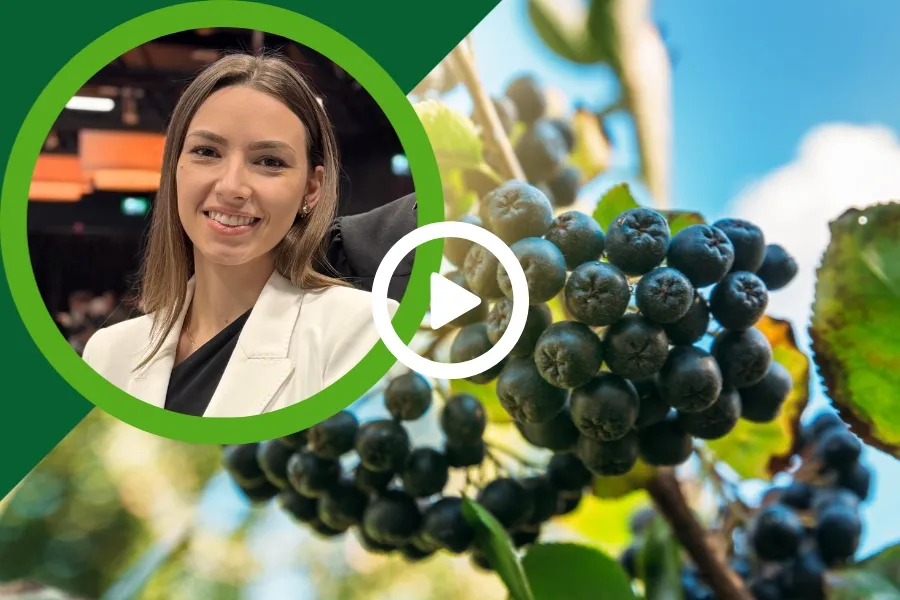 Solabia Nutrition told us how its standardized aronia extract, Brainberry, boosts memory and brain vascular function.
Inside Novonesis’ toolbox of biosolutions for healthier and tastier foods
Novonesis is leveraging biosolutions such as enzymes, cultures, and probiotics to help food producers naturally enhance nutrition, texture, and taste. It also aims to meet consumers’ evolving sustainability and cleaner label demands. We spoke with the company’s SVP of F&B Europe to explore this toolbox, such as cultures, yeasts, enzymes, and advanced proteins. He also highlighted transparency as a key trend, as consumers want to understand what they eat, what’s in a food product, and whether it’s beneficial to their health. We also examined the company’s 2025 financial results, attributing the Human Health division as a key driver of growth.
Nutrition in healthcare brings opportunity for industry growth and innovation
The Physicians Association for Nutrition (PAN) International urges integrating nutrition science into healthcare policy, arguing it is crucial to promoting healthy diets while empowering professionals. This opens the door for policymakers to step up and set standards, incentives, and accountability mechanisms that align with preventive care and dietary strategies. It also presents an innovation opportunity for the nutrition industry to reformulate products into healthier alternatives. We met with two PAN experts to discuss opportunities for policymakers to set standards and incentives and how the nutrition industry can reformulate products into healthier alternatives. We also spoke with Kerry about the importance of fiber diversity in light of the “fibermaxxing” trend and discussed reformulating foods to increase protein and reduce sugar and salt with ADM.
Nootropics Depot: Bringing pharma-grade quality testing to botanical and mushroom supplements
Advancements in analytical instruments are closing the quality analysis gap between botanical supplement production and pharmaceutical rigor. With a suite of advanced testing methods, Nootropics Depot warned of the risks of “identity-only” botanical testing and of relying on paperwork without analyzing bioactive compounds in ingredients. We spoke with the CEO of the US-based manufacturer about the differences in analyses and testing methods required by law in the pharmaceutical and nutrition industries and about opportunities for supplement brands to go beyond minimum requirements by testing for bioactive compounds. In the second part of this interview, he called for legal clarity on the classification of botanical and mushroom supplements. Meanwhile, we also met with Activ’Inside to explore its new lab to tackle the botanical bioavailability gap and discussed advancing application science for functional mushrooms with M2 Ingredients’ CEO.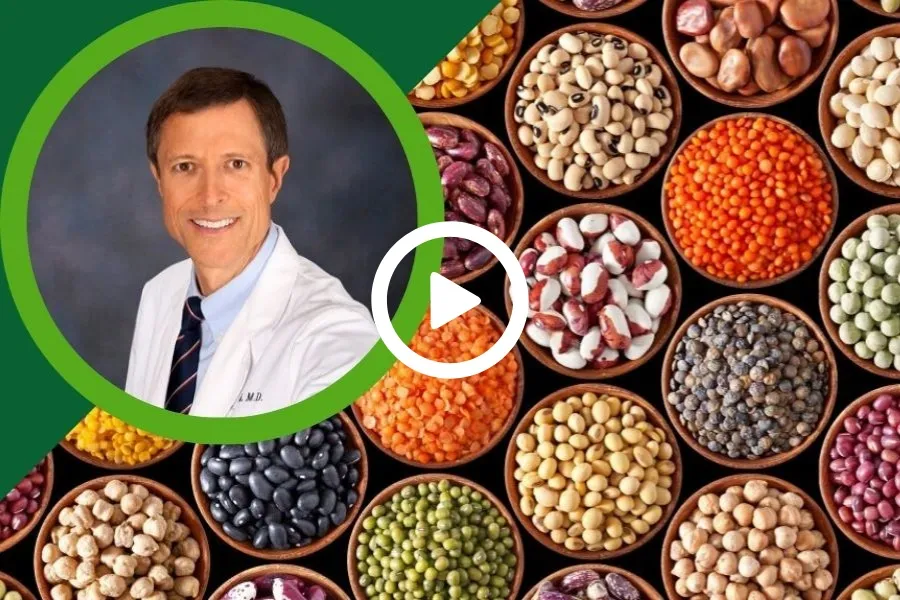 The Physicians Committee for Responsible Medicine called for balanced industry involvement for science-based US dietary guidelines.
“Where are the beans?” Experts weigh plant quality amid US protein push
The hype around protein continued to grow in February, especially after the US 2025–2030 Dietary Guidelines for Americans explicitly encouraged greater protein intake. The US health administration placed meat and dairy high on the food pyramid, leaving questions about the role of plant protein, the quality-versus-quantity debate, and the industry influence underlying the guidelines. We spoke with experts from plant-based meal kit provider Purple Carrot and the Soy Nutrition Institute Global to explore why plant-based proteins should be a key part of healthy diets, the quality-versus-quantity debate, and the industry influence behind the guidelines. On World Pulses Day 2026, we examined nutritional, policy, and food-systems cases for these plant-based protein sources.
Scientists suggested combining different diet-tracking methods — from wearable cameras to dietary biomarkers — to paint a more reliable picture of what people eat and drink. Accurately capturing these trends has been one of the biggest challenges in nutrition research. The researchers stressed that traditional self-reported food diaries have often relied on memory and guesswork, placing a heavy time burden on participants. These limitations have made it difficult for researchers and policymakers to definitively link certain diets to health outcomes. We spoke with a study co-author who explained that accurate dietary measurements are crucial for linking diets to health outcomes and why they remain a significant challenge. The team also opened applications for a study using these wearable technologies and biomarkers to track daily dietary habits.
Scientists urge US FDA to rethink nutrition labeling as literacy gap may undermine health goals
Research suggested that the Nutrition Info Box, proposed last year by the US FDA, may be useful only to consumers with high nutrition literacy. The “Nutrition Info Box,” a front-of-package label, would contain information on saturated fat, sodium, and added sugars, which the research indicated may be too complicated for all US citizens to easily interpret. The scientists conducted an online randomized trial including more than 5,000 participants, showing random images of food and beverages with six types of labels, including one similar to the FDA’s proposal. The trial showed that the nutrition literacy gap was at its largest within this label, while a spectrum label scored best, rating foods from least to most healthy.