Supplement adverts are everywhere – multivitamins, collagen, sleep aids, green powders and more. Many are discussed as if they’re essential for better health, yet their name suggests otherwise: they are designed to supplement any shortcomings you have in various vitamins, minerals and other dietary compounds, courtesy of your diet, lifestyle and genetics.
In which case, surely social media’s massive “supplement stacks” – great piles of pills gobbled down each morning or night – are overkill for many of the recreational exercisers taking them?
Perhaps the gaps they are trying to fill could be better met with food.
To test my hypothesis, I asked some nutrition experts which supplements are actually worth your while, which ones to avoid, and how to find products that are genuinely beneficial.
The supplement dilemma
Supplements are sold as a way to help you feel better. To do this, they are designed to fill in nutritional gaps and supply your body with the resources it needs to function at its best.
However, most supplements will only be effective if you are low or deficient in the nutrient they are providing, clinical dietitian and University of Lancashire lecturer Vassiliki Sinopoulou tells me. The placebo effect often does some heavy lifting too, she adds.
Signs you are low or deficient in a certain nutrient include tiredness, low mood and headaches. However, these are also common consequences of a typical 21st-century routine of low sleep, high stress and poor diet quality.
“I would definitely recommend looking at your sleep patterns, diet and stress levels before you turn to a magic pill,” Sinopoulou says. “But the solutions to these problems are often difficult to implement, and in some cases impossible,” she adds. Finding an extra hour to spend in bed, investing in fresher ingredients or asking your boss to lessen your workload are not possible for many.
“In those situations, people will use everything at their disposal to help themselves, including supplements. But it doesn’t mean they are necessarily the solution,” says Sinopoulou.
In fact, adding high doses of certain supplements into your body could throw other internal systems off kilter, says Heart Research UK nutritionist Amie Leckie.
“If we do consume a high dose of specific minerals, that can impact the balance of other minerals in the body, which can then impact metrics like blood pressure,” she explains.
“For example, somebody might take zinc for immune health, but too much can impact our copper levels, which is another mineral needed for overall mineral balance.”
Read more: So, if intermittent fasting doesn’t work for weight loss, then what does?
open image in gallery
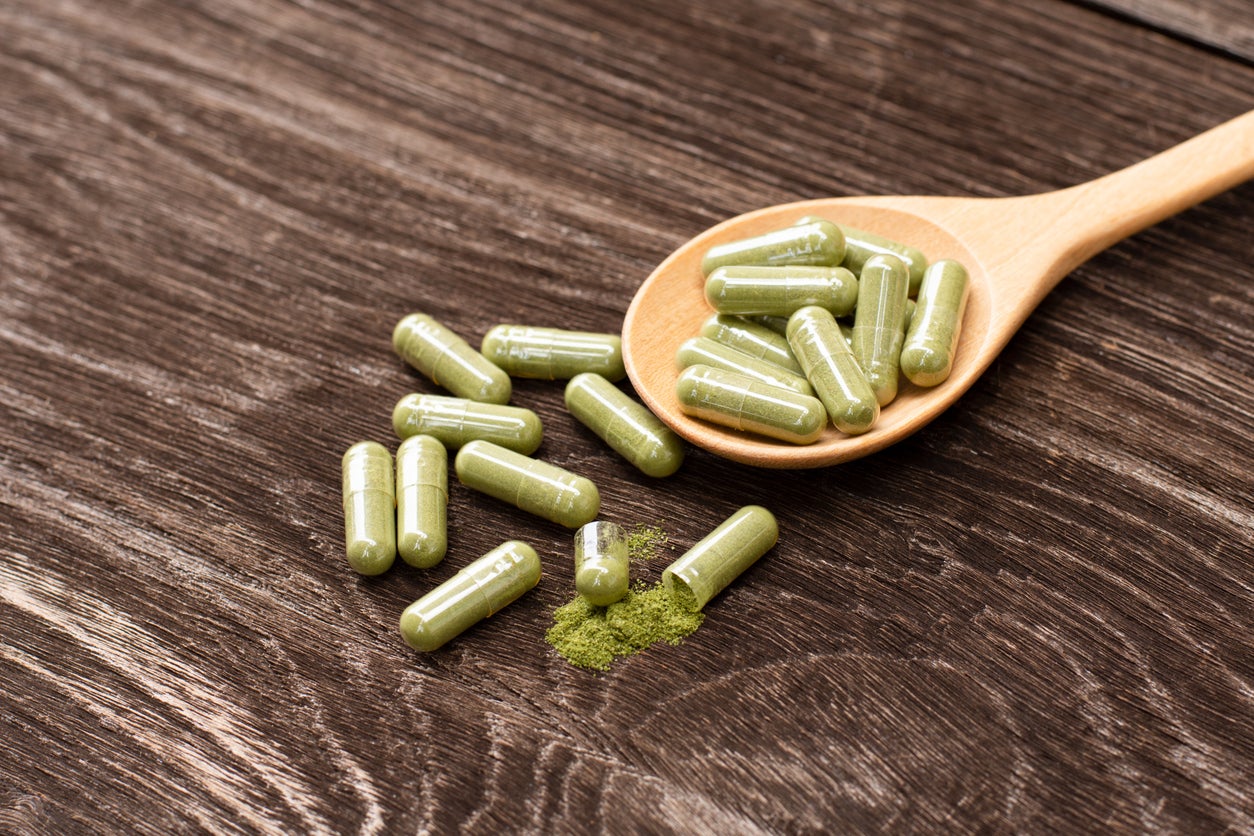
Supplements are big business in 2026 (Getty/iStock)
What supplements do you need?
There is no simple answer to this question. Every body is different, with varying needs and abilities to assimilate different nutrients. This leads many people to pay for supplements they don’t need.
“People often end up spending a lot of money on supplements to take, and all many of them end up with is expensive wee,” Leckie says, referring to the body’s excretion of what it does not need.
To sidestep this problem, Sinopoulou doesn’t view supplements as part of a balanced diet, but rather, an added substance akin to a pharmaceutical drug; to be used in a targeted manner to fix a specific problem, rather than generally applied for better overall health.
.jpeg)
open image in gallery
Nutrition experts recommend a food-first approach to meeting your nutrition needs (Getty/iStock)
Assess your diet
To work out if you need a supplement, your first course of action should be to look at your diet and lifestyle to identify any nutritional holes. Working with a nutrition specialist can streamline this process.
“For example, if people don’t eat fish, I would consider omega-3 supplements,” Sinopoulou says. “If you don’t eat meat or dairy, maybe go for a B12 vitamin supplement. If you’re low in iron, consider an iron supplement.”
No supplement is universal, adds Leckie. But some will have wider appeal and efficacy than others.
“Omega-3 is really important for heart health, as well as overall health and wellbeing,” she says. “Ultimately, if we’re not eating oily fish a couple of times a week, we’re probably not going to be getting enough, so that’s one that’s probably safe and helpful for a lot of people.
“Then there are things like vitamin D [created from sunlight on the skin], which the NHS recommends supplementing through winter and autumn months. That can be useful if you’re somebody who doesn’t spend a lot of time outside.”
However, needs will still vary on these more widely applicable supplements. ”Someone might spend a lot of time outside but have poor vitamin D levels, while another person who barely spends any time outside might absorb it more efficiently.”
“That’s why I think it’s very difficult to give blanket advice when it comes to supplements,” Leckie says. “Trial and error has a place, as long as you are buying from a reputable company. Be mindful of avoiding mega doses, then try a supplement consistently for two to four weeks and see if it works for you.
“Another good thing to look out for when buying a supplement is that it’s third-party tested for contaminants like heavy metals.”
Read more: I specialise in coaching people aged 40-plus – do these six things for immediate results

open image in gallery
It is worth trying to improve your diet, sleep and stress levels before spending money on supplements, clinical dietitian Vassiliki Sinopoulou says (Getty/iStock)
Ask the experts
Another way to find out which supplements will benefit you is to ask a pharmacist or GP.
“I would urge anyone who is feeling any symptoms [of nutrient deficiency] that impact your everyday life to investigate it,” Sinopoulou says.
“My experience is that GPs are always helpful,” she says. “I’m mindful of telling everyone to run to their GP for a blood test, because we know the NHS is overwhelmed. But if we have concerns about our health, we should be going to them.”
For less pressing concerns, Leckie suggests discussing your diet and symptoms with a nutritionist. If this isn’t an option, a more affordable alternative is to visit a high street store like Holland and Barrett, where the staff are trained to help you find supplements relevant to you.
Read more: Four things you can do to reduce inflammation and cut heart disease risk, according to the experts

open image in gallery
Speaking to a nutritionist can help identify any gaps in your diet (Getty/iStock)
What to do before buying supplements
Sinopoulou suggests looking at ways to improve your sleep patterns, diet and stress levels before spending heavily on supplements. And Leckie also prescribes a “food first approach” to hitting your daily nutritional quotas.
“You can’t out-supplement a bad diet,” she says. “Are you eating enough fibre, enough protein, enough fruits and vegetables and limiting refined sugar? Are you stressed? Are you sleeping well? If you’ve not ticked these things off, put your energy into doing that before buying the next supplement.”
People see supplements as a “magic pill”, says Leckie. But as far as health benefits are concerned, they have historically been outperformed by these fundamental pillars: sleeping well, eating a nutritious diet, staying hydrated, reducing stress, exercising and connecting with other people.
“Supplement companies are there to make money, so they’re going to tell you their supplement is the best, but Mother Nature knows best,” she says. “I’m not anti-supplement – I use them daily. But what I use is based on tests and specific needs I know I have.”
Read more: Just dry enough: how to tweak your drinking to reduce its harmful effects
Read more: What foods nutrition experts really eat to stop chronic illness in old age (and always avoid)