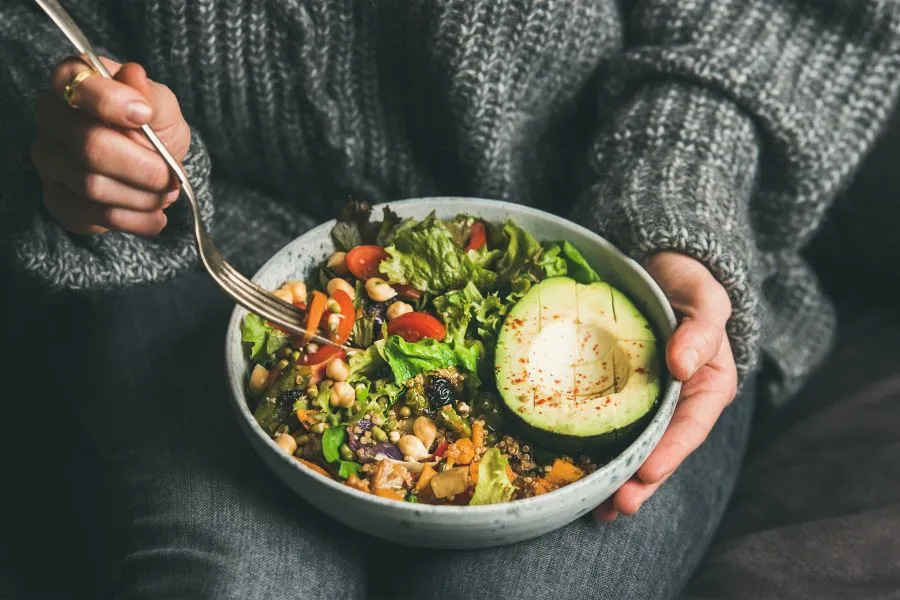
The largest study to date on vegetarian diets has linked them to a lower cancer risk of breast, prostate, kidney, pancreas, and blood (multiple myeloma). However, it flags an increased risk for squamous cell carcinoma of the esophagus — the tube that transfers food from the mouth to the stomach.
The analysis included 1.8 million participants and compared the risk of 17 cancers across five diet groups: meat eaters, poultry eaters (excluding red or processed meat), pescetarians, vegetarians (including dairy and eggs), and vegans.
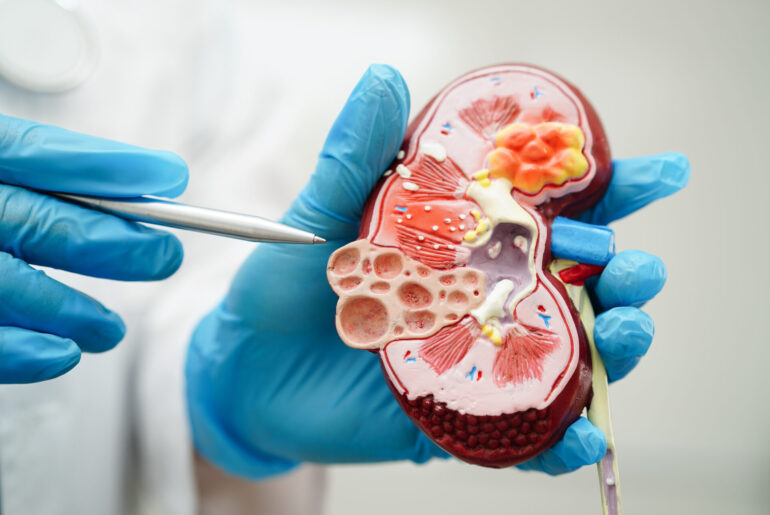
Vegetarians had a lower risk of pancreatic cancer at 21%, breast cancer at 9%, prostate cancer at 12%, kidney cancer at 28%, and multiple myeloma at 31%.
However, vegetarians had almost double the risk of developing squamous cell carcinoma of the esophagus, and vegans had a 40% higher risk of colorectal cancer.
 Cautioning interpretations
The study has attracted the attention of various experts, who note that it is a well-conducted, large study but that the results should be interpreted with caution.
“An important point to consider is that the data used in this study come from groups of people who were recruited at least 10 years ago — and in some cases as far back as the 1980s. Eating habits change over time,” stresses Dr. Nerys Astbury, associate professor for Diet & Obesity, Nuffield Department of Primary Health Care Sciences, at the University of Oxford, UK.
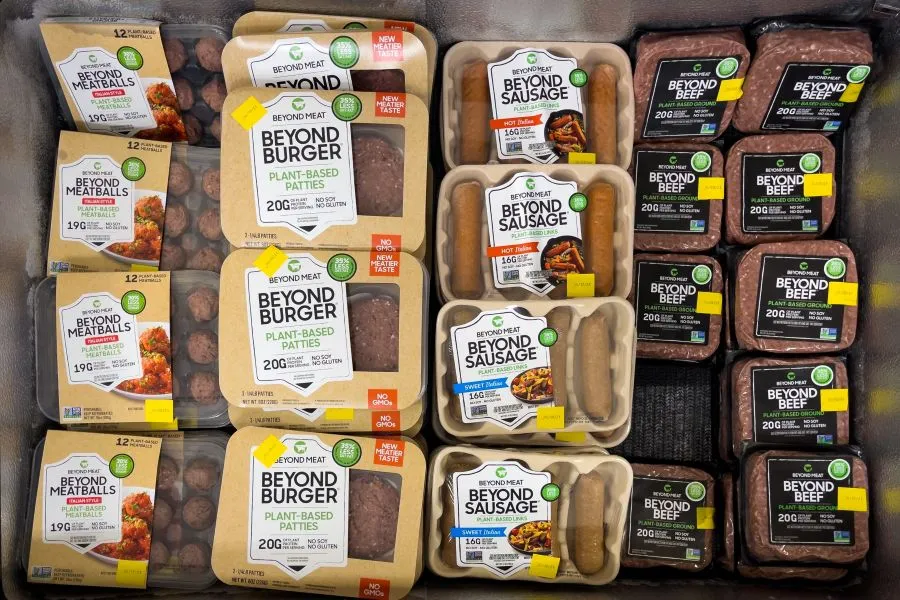 In the past, vegetarian and vegan diets were typically based on whole foods rather than processed products.She explains that in the past, vegetarian and vegan diets were typically based on whole foods such as vegetables, beans, lentils, and pulses. “Today, however, many vegetarian and vegan diets include a growing number of highly processed meat and dairy alternatives. These products have become much more widely available in recent years.”
Previous research has shown that diets high in ultra-processed foods may be linked to a greater risk of heart disease, certain cancers, and obesity.
“This mixed picture can be confusing for people trying to make healthy food choices. More research is needed to understand whether modern vegetarian and vegan diets — which often include ultra-processed alternatives — have the same health effects as the more traditional, whole-food versions of these diets,” adds Astbury.
Calcium against colorectal cancer
The study, published in the British Journal of Cancer, included data from 1.8 million men and women with a follow-up period up to 16 years. It has been deemed the largest study conducted on non-meat eaters to date.
The Vegan Society has commented on the findings and says that they welcome many of them, but some of them, especially vegans having a higher risk of colorectal cancer, must be interpreted with caution.
“The vegan sample size was small (based on 93 cases), and because this is a long-term study where most vegan participants were recruited decades ago, diets followed by vegans today may have significantly different nutritional profiles,” comments the Vegan Society.
The study said vegans have historically experienced lower calcium levels, which might explain the findings. In response, The Vegan Society highlights that calcium is available in a variety of plant-based foods and in fortified dairy alternatives, and that recent research has shown that vegans’ calcium levels are now equivalent to those of the general population.
 Aune says even if the study is large, it may not have had sufficient statistical power to detect clear associations.Astbury adds that one notable finding was that cancer risk appeared to increase in line with the amount and type of meat consumed. “For several of the cancers studied, vegetarians had the lowest risk. People who ate only poultry and no red meat had a lower risk than those who ate all types of meat, while pescatarians (who eat fish but not meat) had a lower risk than poultry eaters.”
“This pattern suggests that although the lowest cancer risk may be seen in people who avoid meat altogether, simply reducing the amount of meat eaten could also offer health benefits.”
A previous study followed 542,778 women in the UK over 16.6 years and found that calcium can protect against colorectal cancer, while alcohol and meat increase risk.
Controversial findings
The study did not find any statistically significant differences in risk for a variety of other cancers, including stomach, liver, lung, ovarian, and mouth cancers.
Dr. Dagfinn Aune, research fellow at the Department of Epidemiology and Biostatistics, Imperial College London, UK, comments: “Even if the study is large, it may not have had sufficient statistical power to detect clear associations across all the investigated cancer sites, such asmouth and pharynx, esophageal adenocarcinoma, stomach, liver, and endometrial cancer, or non-Hodgkin’s lymphoma.
“Surprisingly, there was no reduction in risk of colon or colorectal cancer among vegetarians in the study, which is at odds with several previous studies. Most previous studies reported reductions in risk of 10–40%, although the findings in individual studies were not always statistically significant.”
Recent studies have found that going vegan or vegetarian from a Western diet can reduce the risk of premature mortality from noncommunicable diseases by 18% to 21%. Meanwhile, consuming more plant-based foods was also found to benefit the environment, reducing the carbon footprint by 46–51%.