 FOTOARTE: MERCA2.0
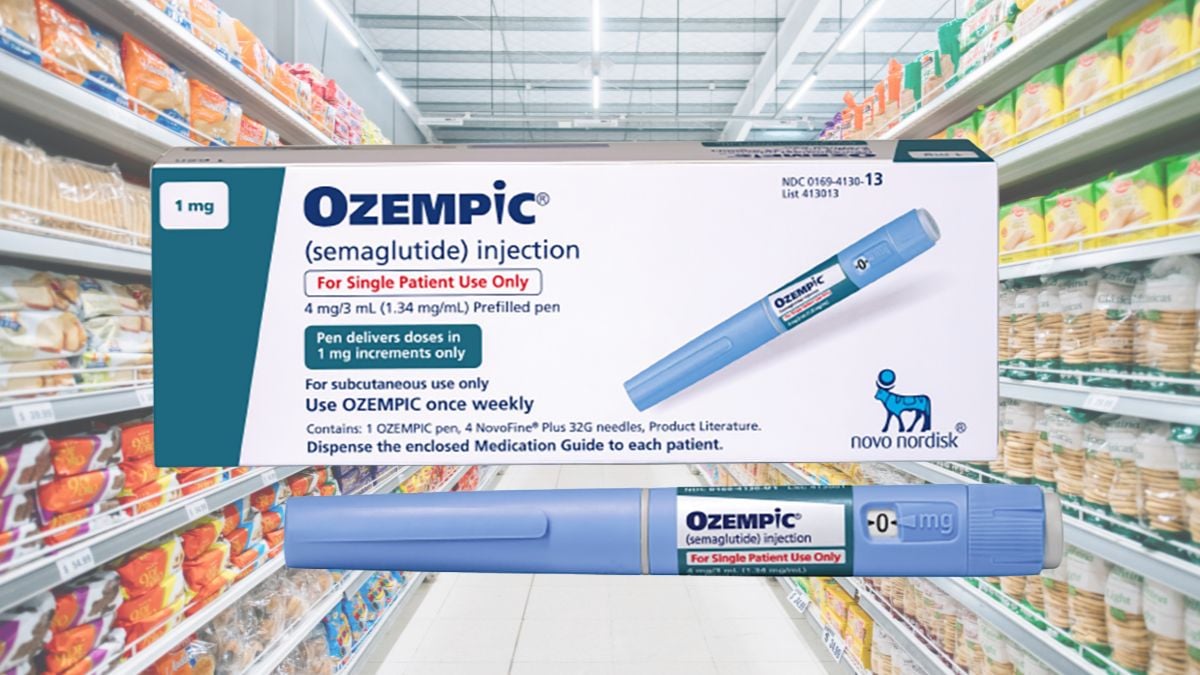
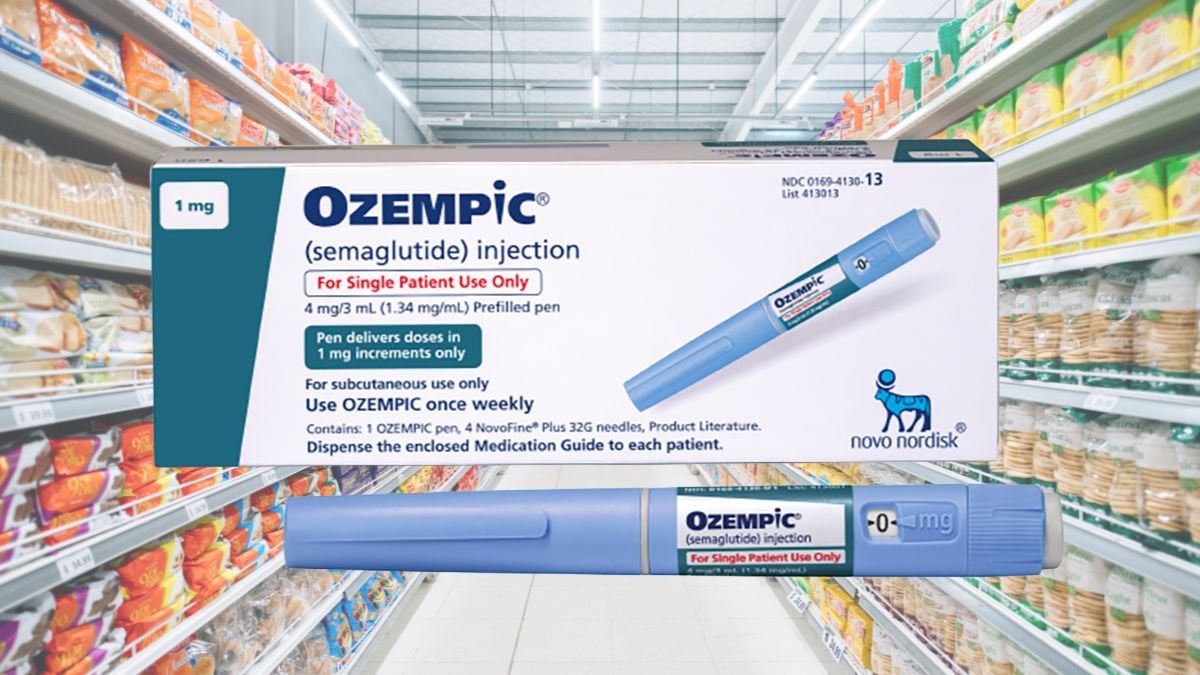
The U.S. food and beverage market could face a structural transformation over the next decade. The rapid growth in the use of GLP-1 medications — originally designed to treat type 2 diabetes and now widely used for weight management — is beginning to reshape consumption habits, portion sizes, and the logic behind retail spending.
READ ALSO. How does Trumprx work? Full list of drugs
According to recent data compiled by Statista, between 2024 and 2034 the use of these treatments could reduce food and beverage spending in the United States by $48 billion under a base scenario, and up to $55 billion under a higher adoption scenario. This is not just a public health issue: it is both a warning sign and an opportunity for the consumer packaged goods (CPG) industry.
Consumers may eat less — but they will demand more nutritional value in every bite.
What Are GLP-1 Medications and Why Are They Impacting Consumption?
GLP-1 stands for glucagon-like peptide-1, a class of medications that helps regulate blood sugar and, as a clinically significant side effect, reduces appetite and increases satiety.
In the United States, GLP-1 usage has grown significantly:
⇒ In May 2024, 12% of surveyed adults reported having used these medications.
⇒ By November 2025, the figure had increased to 18%.
⇒ Among adults with diabetes who use insulin, 31.3% were also using injectable GLP-1 treatments in 2024.
This growth is substantial. The sustained increase suggests the phenomenon is not temporary, but structural.
How Does Consumer Behavior Change When Appetite Decreases?
A reduced appetite does not mean abandoning consumption — it means transforming it. When consumers eat less, each purchase becomes more strategic. Decisions revolve around:
⇒ Higher nutritional density per serving
⇒ More protein and fiber
⇒ Fewer simple sugars
⇒ Conscious calorie control
⇒ Single portions or smaller packaging formats
In this context, the logic of “bigger is better” loses appeal compared to a “more functional is better” proposition.
Consumers undergoing GLP-1 treatment are not seeking volume; they are seeking nutritional efficiency.
What Economic Impact Could This Trend Have on the Food Market?
Models project a potentially significant reduction in total U.S. food and beverage spending by 2034.
The estimated $48 billion reduction in spending (base scenario) reflects direct pressure on categories traditionally associated with impulsive or high-volume consumption, such as:
⇒ Fast food
⇒ Sugary soft drinks
⇒ Ultra-processed snacks
⇒ Family-size portions
Under a higher adoption scenario, the adjustment could reach $55 billion. This does not necessarily mean the market will shrink entirely, but that value may shift toward premium and functional categories.
More Protein and Functional Nutrition
The new GLP-1 consumer prioritizes foods that offer:
⇒ Prolonged satiety
⇒ High protein content
⇒ Relevant micronutrients
⇒ Low glycemic index
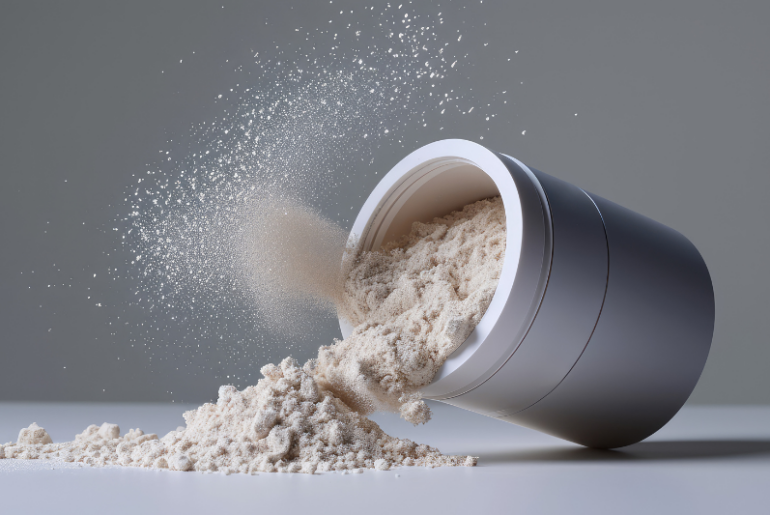
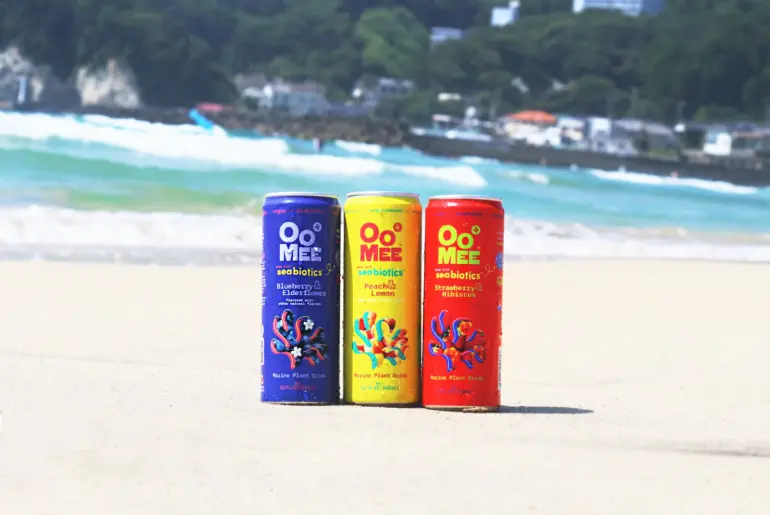
In this context, categories such as high-protein yogurts, functional snacks, fortified beverages, supplements, and nutritional bars could gain prominence over products with low nutritional profiles.
The narrative changes for brands: it is no longer about unlimited indulgence, but about intelligent and conscious consumption.
How Is Retail Product Strategy Being Reconfigured?
Brands will need to rethink three key areas:
1. Portion size. Individual packaging and smaller formats may gain relevance, aligned with lower daily intake.
2. Reformulation. Reducing sugar and increasing protein is no longer just a “fitness” trend, but a structural adaptation to a new consumer profile.
3. Clear communication. Consumers demand transparency: simple labels, verifiable claims, and messages focused on metabolic wellness.
What Role Do Pharmaceutical Companies Play in This New Ecosystem?
The growth of GLP-1 is also boosting the pharmaceutical sector. Novo Nordisk, one of the leading manufacturers of this class of medications, reported sales exceeding 152 billion Danish kroner in its GLP-1 segment in 2025, surpassing its insulin sales.
At the same time, total spending on branded medicines in the U.S. reached $482 billion in 2021, reflecting the economic weight of the sector.
The intersection between the pharmaceutical industry and mass consumption will become increasingly close.
Could the Phenomenon Be Replicated Outside the United States?
Growth in the United States contrasts with European markets such as Germany, where in 2013 GLP-1 agonists represented only 6% of the value of the antidiabetic pharmacy market.
If global adoption accelerates, the impact could extend to other developed markets, creating a domino effect across supply chains, retail, and pricing strategies.
Are We Entering a New Era of Conscious Consumption?
The GLP-1 effect is not only medical; it is cultural. Appetite reduction aligns with a broader social narrative: self-care, longevity, metabolic health, and personal control. Consumers are not simply seeking weight loss, but optimizing their well-being. For brands, the challenge is clear:
⇒ Adapt to lower volume
⇒ Elevate nutritional value
⇒ Innovate in smarter formats
⇒ Communicate responsibly