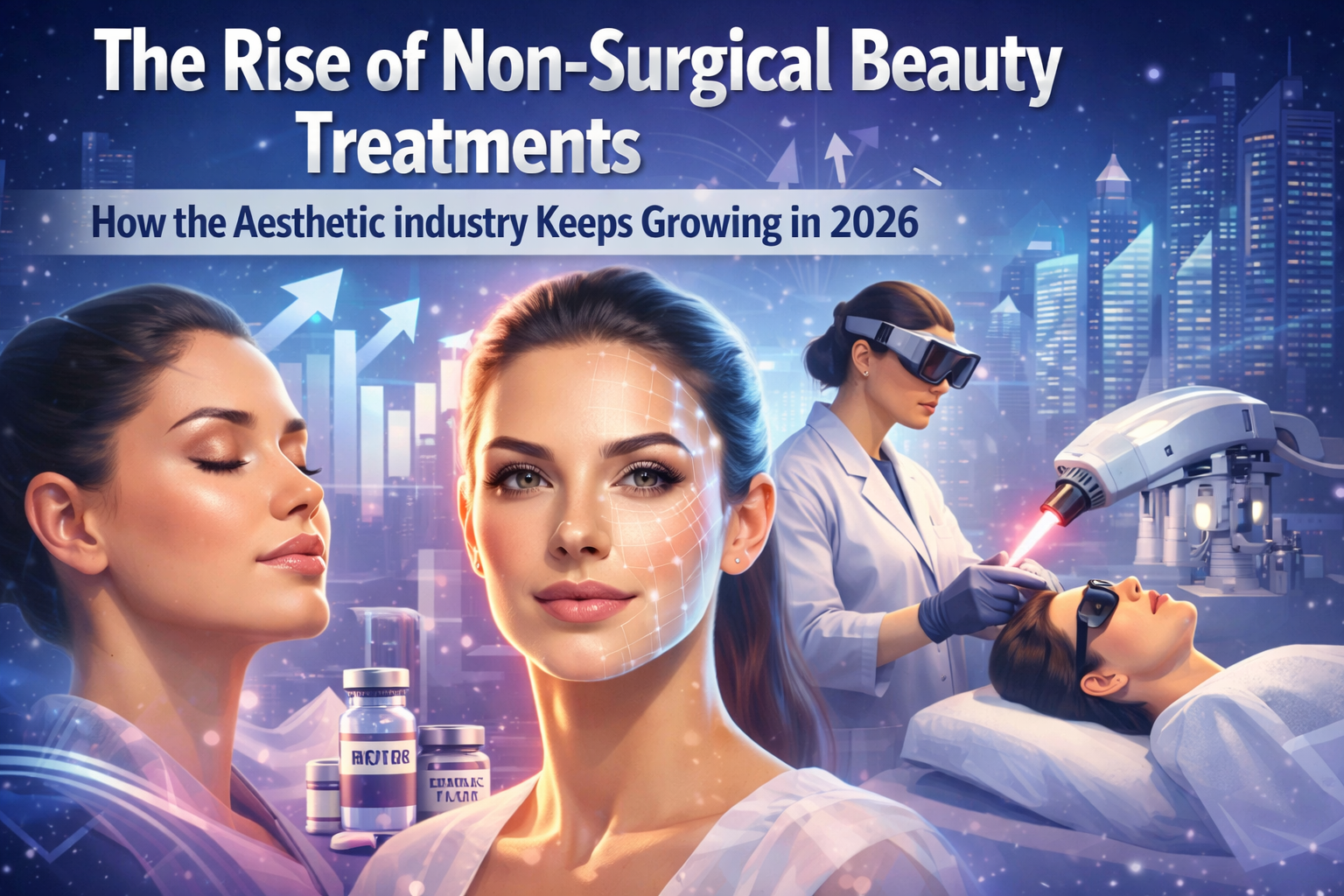
Baltimore’s beauty landscape has transformed dramatically over the past five years. Walk down any street in Federal Hill or Harbor East, and you’ll notice something different: the proliferation of medical spas, aesthetic clinics, and wellness centers offering solutions that don’t require going under the knife.
This shift reflects a broader national trend, but Baltimore has embraced it with particular enthusiasm. From busy professionals in Mount Vernon to young families in Canton, residents are increasingly turning to treatments like Botox treatment for wrinkle reduction to maintain their appearance without the downtime of traditional cosmetic surgery.
The city’s growing acceptance of aesthetic medicine mirrors its evolution from an industrial hub to a thriving center of healthcare innovation and urban living.
Understanding the Numbers Behind the Trend
The statistics tell a compelling story about Baltimore’s aesthetic treatment boom. According to the American Society of Plastic Surgeons, non-surgical cosmetic procedures have increased by 44% nationwide since 2019, but Maryland’s metropolitan areas have seen even steeper growth. Baltimore specifically recorded a 58% increase in minimally invasive treatments between 2020 and 2024, outpacing cities of comparable size.
What makes these numbers particularly striking is the demographic diversity driving the trend. While cosmetic treatments were once associated primarily with women over 40, Baltimore clinics report that nearly 35% of their clientele now consists of patients under 35, and male patients have grown from representing just 8% of procedures in 2018 to nearly 23% today.
Treatment Type
Average Cost in Baltimore
Sessions Needed
Recovery Time
Neurotoxin Injections
$350 to $550
Every 3 to 4 months
None
Dermal Fillers
$650 to $1,200
Every 6 to 18 months
24 to 48 hours
Laser Skin Resurfacing
$800 to $1,500
3 to 5 sessions
3 to 7 days
Chemical Peels
$200 to $600
Monthly or quarterly
3 to 14 days
Microneedling
$300 to $700
3 to 6 sessions
24 to 48 hours
The Urban Professional’s Lunch Break Makeover
Baltimore’s downtown corridor has become ground zero for what industry insiders call “lunch break treatments.” These procedures, which take 15 to 45 minutes and require minimal to no recovery time, fit perfectly into the schedules of professionals working in the Inner Harbor business district or the medical institutions around Johns Hopkins.
Sarah Chen, a 34-year-old marketing director who works near the Pratt Street Pavilion, represents this new wave of aesthetic consumers. “I get my injections every four months during my lunch hour,” she explains. “I’m back at my desk with maybe a tiny red mark that’s gone by the next morning. There’s no way I could take a week off for surgery, nor would I want to.”
This convenience factor cannot be overstated. Traditional cosmetic surgery requires general anesthesia, significant recovery periods, and substantial time away from work and family responsibilities.
For Baltimore’s urban dwellers juggling demanding careers, family obligations, and active social lives, non-surgical treatments offer results without disruption.
The Social Media Effect on Baltimore’s Beauty Standards
Instagram, TikTok, and other visual platforms have fundamentally altered how Baltimoreans think about their appearance. The constant exposure to filtered and curated images creates pressure, but it also normalizes conversations about aesthetic treatments that were once considered taboo.
Local aesthetic providers report that more than 60% of new patients mention social media as a factor in their decision to seek treatment. However, the goal isn’t always dramatic transformation.
Dr. Lauren Nawrocki, who operates three medical spas across Baltimore County, notes a shift in patient requests: “Ten years ago, people wanted to look completely different. Now they want to look like themselves, just refreshed. They bring in their own photos from five or ten years ago as reference points.”
This “natural enhancement” philosophy aligns well with Baltimore’s practical, no-nonsense culture. The city’s residents generally prefer subtle improvements over obvious alterations, and non-surgical treatments excel at providing exactly that level of refinement.
Economic Accessibility and the Treatment Spectrum
One factor driving adoption across Baltimore’s diverse neighborhoods is the range of price points available. While some high-end clinics in affluent areas charge premium rates, the proliferation of medical spas has created competition that benefits consumers.
Treatment packages, membership programs, and financing options have made aesthetic medicine accessible to middle-class Baltimore residents who might have considered it financially out of reach a decade ago. Many clinics now offer monthly payment plans, allowing patients to budget treatments alongside other regular expenses like gym memberships or salon visits.
The economic impact extends beyond individual consumers. Baltimore’s aesthetic medicine sector now employs over 1,200 people directly, from physicians and nurse practitioners to aestheticians and administrative staff. This doesn’t include the ancillary businesses that have emerged, from specialized skincare boutiques to recovery wellness centers.
Technology’s Role in Treatment Advancement
Baltimore has benefited from being home to world-class medical research institutions. The proximity to Johns Hopkins University and the University of Maryland Medical Center means that cutting-edge aesthetic technologies often reach Baltimore clinics quickly.
Recent technological innovations have made treatments more effective, comfortable, and predictable. Advanced imaging systems allow practitioners to show patients simulated results before any procedure begins. Newer injection techniques cause less bruising and swelling. Laser technologies can now target specific skin concerns with precision that was impossible five years ago.
These technological improvements matter because they reduce the already minimal risks associated with non-surgical treatments. When patients feel confident in both the technology and the expertise of their provider, they’re more likely to pursue treatments they might have otherwise avoided.
The Male Grooming Revolution in Charm City
Perhaps no trend has been more striking than the surge in male patients seeking aesthetic treatments. Baltimore’s professional men, particularly those in competitive fields like finance, law, and technology, increasingly view these treatments as career investments rather than vanity.
Marcus Johnson, a 42-year-old attorney in downtown Baltimore, started getting neurotoxin injections two years ago. “In my field, you’re constantly being evaluated on your appearance and presence,” he says. “Looking tired or older than opposing counsel isn’t an advantage. These treatments help me look as sharp as I feel.”
Clinics have responded by creating marketing and environments that appeal to male clients. Some offer dedicated men’s treatment hours, while others have eliminated overtly feminine décor in favor of neutral, clinical aesthetics. The normalization of male grooming, from skincare routines to aesthetic treatments, represents a significant cultural shift in traditionally blue-collar Baltimore.
Preventative Treatment Philosophy
An interesting development in Baltimore’s aesthetic medicine landscape is the rise of preventative treatments among younger patients. Rather than waiting until signs of aging become pronounced, many patients in their late twenties and early thirties are beginning treatments as a preventative measure.
This approach has scientific backing. Research shows that regular neurotoxin treatments can actually prevent the deepening of expression lines by limiting the muscle movements that create them. Similarly, early intervention with skincare treatments can address sun damage and collagen loss before they become visible problems.
While some critics argue this promotes unrealistic beauty standards, proponents see it as no different from other preventative health measures. Just as people begin using sunscreen or taking vitamins to prevent future problems, aesthetic treatments can be viewed as part of a comprehensive wellness approach.
Regulation and Safety in Maryland’s Market
Maryland maintains relatively strict oversight of aesthetic medicine, which has helped ensure patient safety as the industry has expanded. Only licensed medical professionals can administer injectables, and facilities must meet specific standards for cleanliness and safety protocols.
This regulatory environment has prevented some of the problems that have plagued other markets, such as unqualified practitioners offering cut-rate treatments that lead to complications. Baltimore patients benefit from this framework, though it does mean that rock-bottom pricing often signals a provider worth avoiding.
Educated consumers now research their providers thoroughly, checking credentials, reading reviews, and asking detailed questions during consultations. This due diligence has become easier as review platforms and social media provide transparency into provider reputations and patient experiences.
The Future of Baltimore’s Aesthetic Landscape
Looking ahead, Baltimore’s non-surgical aesthetic treatment market shows no signs of slowing. Emerging technologies like radio frequency skin tightening, thread lifts, and advanced body contouring treatments promise to expand options for patients seeking alternatives to surgery.
The integration of aesthetic treatments with overall wellness represents another frontier. Many Baltimore clinics now offer combination approaches that include nutritional counseling, hormone optimization, and lifestyle coaching alongside traditional aesthetic procedures. This holistic view recognizes that appearance reflects overall health and wellbeing.
As treatments become more sophisticated and socially normalized, Baltimore’s urban lifestyle will likely continue incorporating aesthetic medicine as a standard element of self-care. What was once considered extraordinary is becoming ordinary, a regular part of how the city’s residents maintain their health, confidence, and professional edge in an increasingly competitive world.
The rise of non-surgical treatments across Baltimore reflects broader changes in how we think about aging, appearance, and self-investment. In a city reinventing itself as a destination for innovation and quality of life, it’s fitting that residents have embraced these technologies that allow them to look and feel their best without compromising the busy, engaged lifestyles that define modern Baltimore living.